
Last updated November 25, 2026
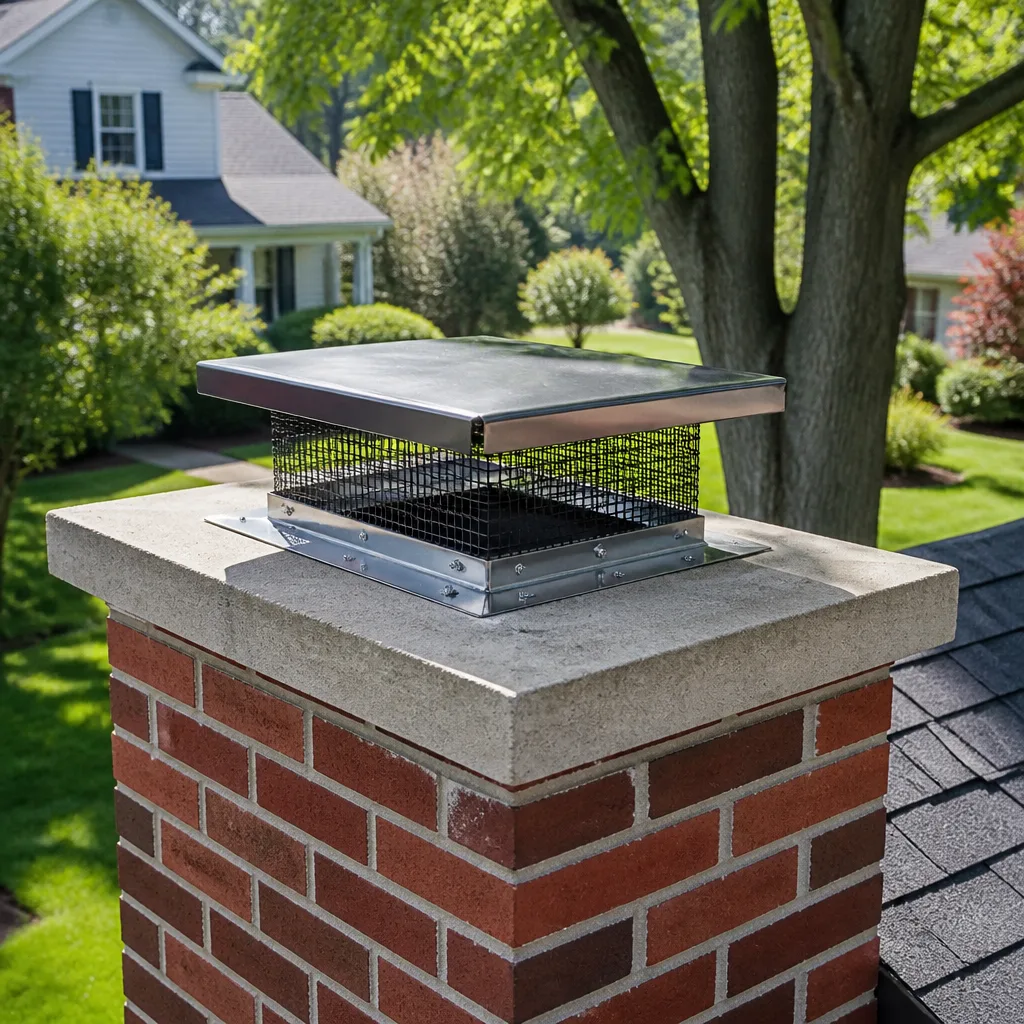 Sweep & inspection
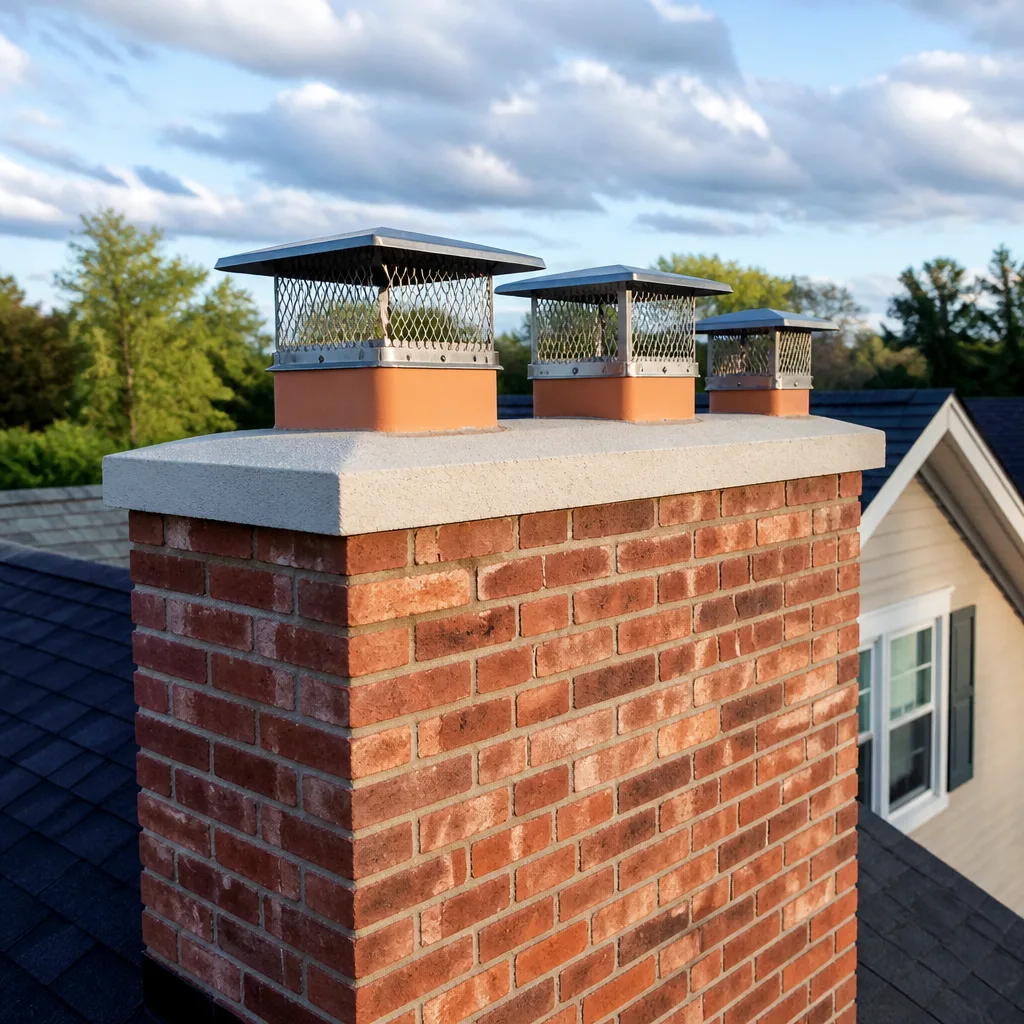 Caps & crowns
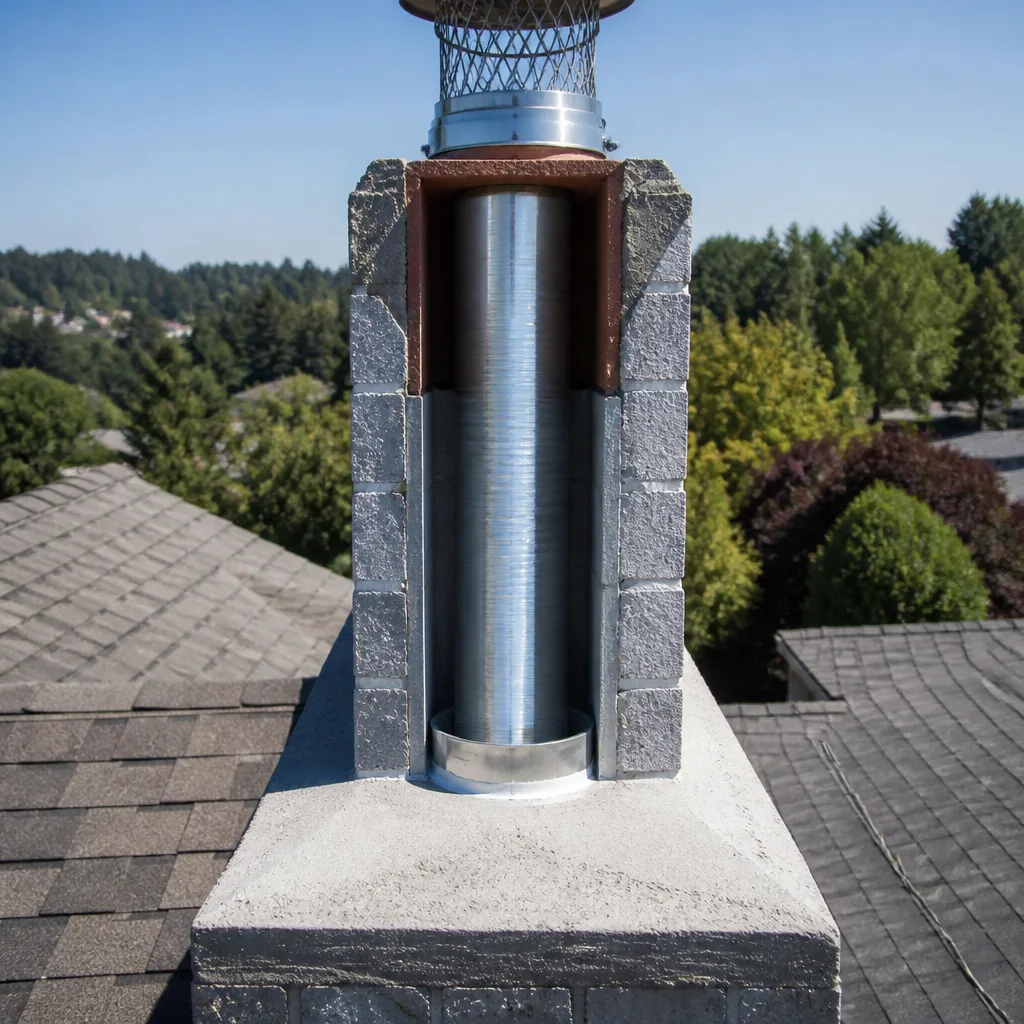 Flue relining
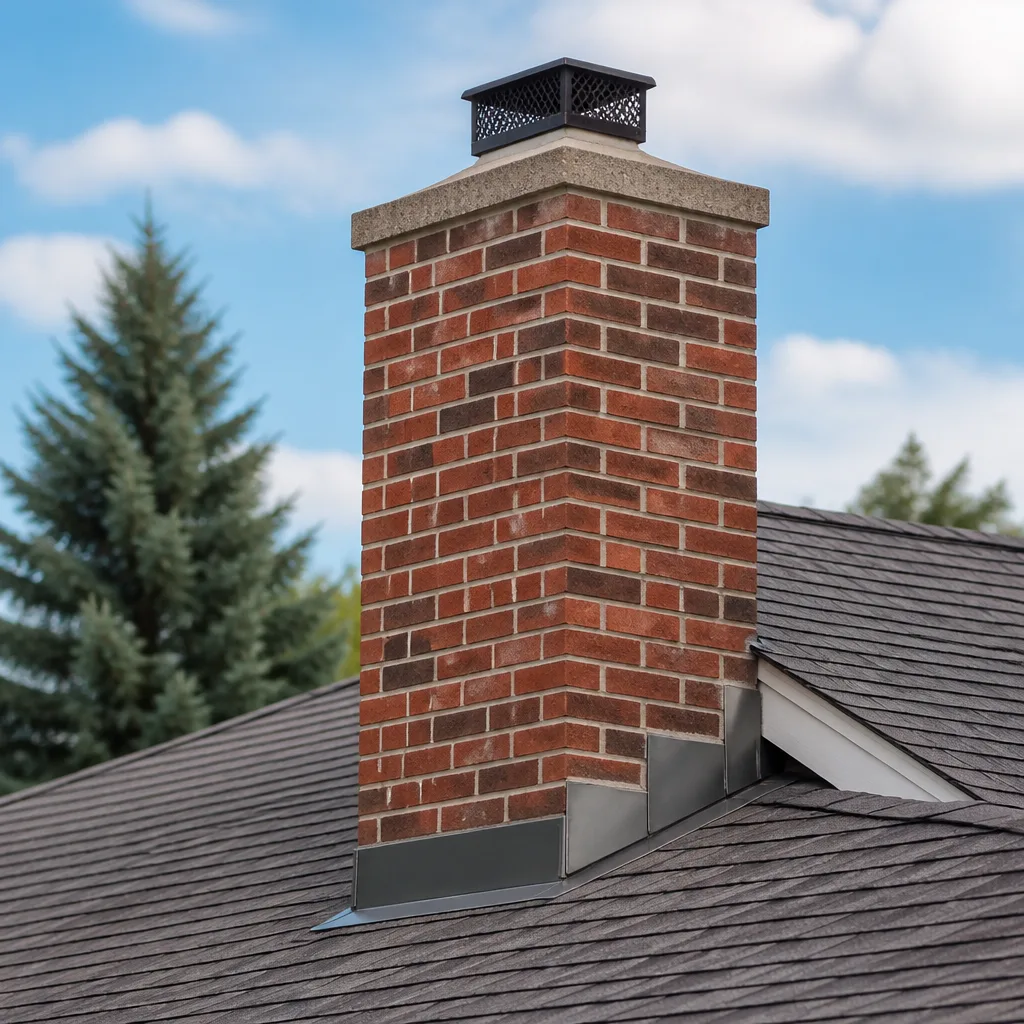 Masonry repair
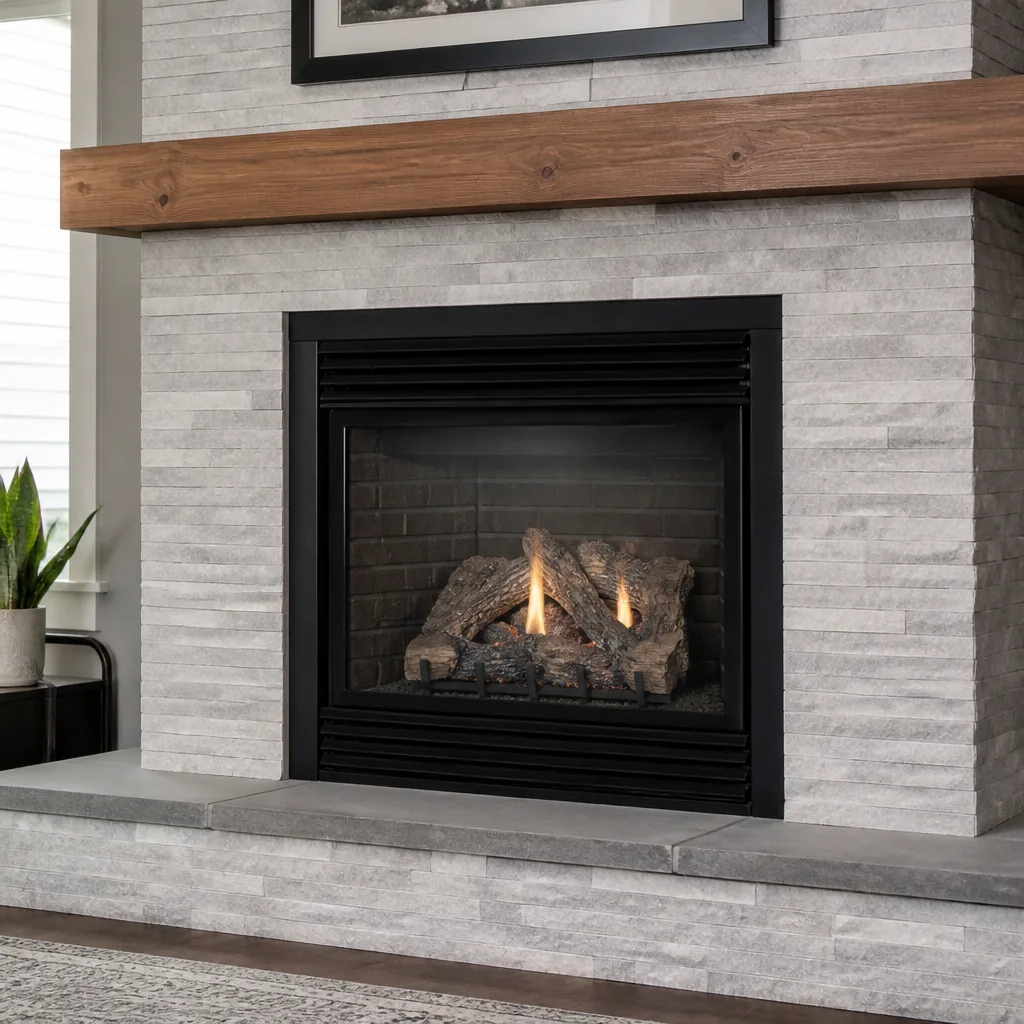 Gas fireplace service
Level 1 sweep and inspection to the NFPA 211 annual standard - flue, crown, cap, and flashing checked and photographed
Chimney sweep logs do not sweep chimneys. They loosen some creosote - which then falls where a brush and vacuum still have to collect it.
Chimney Cleaning Warning Signs: A Richmond Hill Homeowner’s Reference Guide
A white stain on the brick above your fireplace opening isn’t cosmetic. It’s efflorescence, and it means water is moving through your masonry from the outside in. Most homeowners paint over it and move on, which is exactly the wrong move. The warning signs that actually precede a chimney fire or structural failure are rarely the dramatic ones. They show up as a smell you can’t quite place, a sound during a burn, a stain on the damper, a draft that changed after you replaced your windows. This guide connects those everyday symptoms to their real chimney causes. You’ll learn what to look for inside the house, what to smell and listen for, and what the exterior is telling you from the ground up.
Quick Answer
The main chimney cleaning warning signs are white efflorescence stains on brick or mortar, rust on the damper or firebox, spalling firebox brick, a musty or acrid smell when the chimney isn’t in use, popping sounds during a fire, and visible exterior damage like open mortar joints at the crown or missing cap mesh. Any one of these signals means the flue needs a documented inspection before you burn again, not just a sweep.
Styles & brands we work with
- Sweep & inspection
- Caps & crowns
- Flue relining
- Masonry repair
- Gas fireplace service
Table of Contents
- Visual Cues Inside the House
- Smell-Based Indicators
- Draft and Airflow Symptoms
- Sounds That Signal Specific Problems
- Exterior Warning Signs Visible From the Ground
- When a Sweep Is Enough and When It Isn’t
- Why Richmond Hill Chimneys Age the Way They Do
- Common Mistakes to Avoid
- When to Call a Professional
- Frequently Asked Questions
Visual Cues Inside the House
The inside of your house is the best diagnostic tool you have, and most of the evidence is within arm’s reach of the fireplace. Efflorescence, rust, spalling, and cracked firebox brick each point to a different failure upstream. Learning to read them saves you from a repair that solves the wrong problem.
- Efflorescence (white chalky staining on brick or mortar). This is dissolved salts pushed to the surface by moisture moving through the masonry. On a chimney, it almost always means water is entering from above, at the crown or the mortar joints, and traveling down. Efflorescence above the fireplace opening is a moisture-intrusion signal, not a cosmetic one.
- Rust stains on the damper, damper frame, or firebox steel. Steel rusts when it stays wet. If your damper has rust, water is getting into the smoke chamber from the top of the chimney. A missing or loose cap is the usual cause, and rain during a Richmond Hill summer finds that opening quickly.
- Spalling firebox brick (faces flaking or crumbling). Spalling happens when brick absorbs water, freezes, and expands. On the firebox, it means the brick has been subjected to moisture and thermal cycling it wasn’t meant to handle. If it’s spreading, the firebox is losing structural integrity and needs a proper assessment.
- White, powdery residue inside the flue itself. When visible during a sweep, this can indicate that masonry has been deteriorating. It’s a signal that the flue liner may have lost its protective surface and needs resurfacing or relining.
- Cracked or missing mortar between firebox bricks. Small gaps widen with heat cycling. A firebox with open joints lets heat and gases reach the surrounding masonry.
In our experience, the homeowners who catch these early tend to be the ones with a written inspection record from the year before. That’s why every job we do starts with a documented assessment. Before we recommend any repair, we show you what we found, specific and tied to the condition observed. It’s the same approach whether you’re in a 1920s semi-detached home in Richmond Hill or a newer build with a factory-built firebox.
Smell-Based Indicators
Your nose is one of the most reliable chimney diagnostic tools, provided you know what the smell is telling you. Three distinct odors cover almost every case: musty, acrid, and sulfurous. Each has a specific cause and a different fix.
- Musty smell (moisture intrusion). A damp, basement-like odor from the fireplace when it’s not in use points to water getting into the masonry or smoke chamber. The smell comes from mold and mildew growing where moisture has collected. The fix starts with finding the entry point (usually the crown or cap) and sealing the masonry, not just spraying an air freshener.
- Acrid smell, especially in warm weather (active creosote). A sharp, smell-you-can-taste odor, particularly on a humid summer day, means creosote buildup in the flue is releasing gases. This is a fire risk. Creosote that smells strongly when the fireplace is cold is likely Class 2 or higher and needs to be swept before the next burn season.
- Sulfurous or rotten-egg smell (animal intrusion or gas appliance backdraft). A sulfur smell has two possible sources. Nesting animals (often raccoons or starlings) leave droppings and debris that produce this odor. A gas fireplace or gas appliance that isn’t venting properly can also push exhaust back into the room, which is a carbon monoxide risk and needs immediate attention.
If you can’t tell which of the three you’re smelling, that’s the point at which a professional assessment matters. A trained technician can identify the source and document it, rather than guessing. For a Chimney Sweep Richmond Hill assessment, that usually means checking the firebox, smoke chamber, flue, and exterior in a single visit.
Draft and Airflow Symptoms
A smoky room doesn’t automatically mean a dirty flue. It can mean one of at least three different problems: a flue full of creosote and debris, a liner that’s undersized for the fireplace opening, or negative pressure from weatherization changes like new windows and doors. Getting the diagnosis right is the difference between a sweep and a relining, so it’s worth working through properly.
- Check when the smoke happens. Smoke only when the fire first starts, then clears up, often means a cold flue that hasn’t warmed enough to establish draft. Smoke throughout the burn points to a more serious obstruction or sizing issue.
- Note the weather. Smoke on windy days specifically usually points to a cap or crown problem. Wind hitting an open or damaged cap can push air down, and the room fills. A properly fitted cap with intact mesh helps regulate this.
- Consider recent home changes. If you replaced windows, added insulation, or installed a high-output exhaust fan, your house got tighter. A tighter house changes the pressure balance and can pull smoke back into the room through a flue that worked fine before. This is a negative pressure issue, not a dirty-chimney issue, and the fix is different.
- Look at the firebox size relative to the flue. A large opening with an undersized flue will smoke no matter how clean it is. DuraFlex flexible liner systems are sized to match the fireplace opening, which is why we install them on-site rather than relying on whatever the original builder used.
If your home has a gas fireplace, a smoky room can indicate a venting problem that affects air quality more broadly. That’s a scenario where we tell people to stop using the fireplace and call right away. Your health and your home’s air quality come before any repair decision.
Sounds That Signal Specific Problems
What you hear during a fire or in the quiet of the house is a specific signal. Popping, whistling, and scratching each point to a different cause, and each one has a different urgency.
- Popping during a fire (Class 2 creosote). A steady popping or crackling that sounds like small explosions in the flue is creosote igniting and expanding. Small pops can indicate a thin layer; sustained popping means the buildup is thick enough to burn on its own. This is the sound that precedes a chimney fire, and it should stop your burn immediately.
- Whistling (crown or cap damage). A high-pitched whistle during a fire usually means air is being forced through a gap in the crown or a gap under the cap. Crown cracks and open mortar joints let air in where it shouldn’t go, and they also let water in. Left alone, both worsen over the season.
- Scratching or rustling, especially at night (nesting animals). Scratching and rustling from the chimney, usually heard most in spring and fall, almost always means nesting birds or raccoons. Starlings and raccoons are the most common culprits. Animals in a chimney can block the flue, damage the liner, and introduce debris and droppings. A cap with intact mesh prevents this, which is why we treat a missing cap as a warning sign worth fixing right away.
- Rumbling or roaring with a burning smell. A sustained deep roar during a fire is the sound of a chimney fire itself. Close the damper if you can do so safely, get out of the house, and call the fire department.
If you’re hearing any of these, the correct next step is a documented assessment, not a guess. The same holds for a chimney cap & crown check: we look at the cap and crown first, because they’re the most common source of both water and draft problems.
Exterior Warning Signs Visible From the Ground
Most of the exterior damage a chimney gets is visible from the ground, if you know where to look. These are the signs most homeowners walk past on the way to the car, and catching them early is the difference between a small repair and a much bigger one. The chimney exterior tells you about the structural condition before you ever light a fire.
- Open mortar joints at the crown. Look at the flat top of the chimney where the brick meets the crown (the concrete cap at the top). Wide or missing mortar joints here let water into the masonry. A crown failure is the most common cause of the water problems we get called about. Catching it early means repointing or resurfacing; catching it late can mean a crown rebuild.
- Missing or damaged cap mesh. Look at the chimney cap (the cover over the flue). If the mesh is torn, missing, or partly detached, the flue is open to rain, birds, and squirrels. Fixing a cap is a straightforward job. The damage from a season of nesting animals is not.
- Brick displacement at the shoulder. The shoulder is the part of the chimney that narrows above the roofline. If bricks are pushing out, stepping, or visibly twisted at this point, the structure is moving. This is a sign of freeze-thaw damage or a settled foundation, and it needs a structural assessment before it gets worse.
- Efflorescence or dark staining visible from the ground. White staining on the exterior brick, or dark vertical streaks, tells you water is moving through the masonry from top to bottom. The interior signs (rust on the damper, musty smell) often follow.
- Missing or damaged chimney cap altogether. A missing cap is the single most common cause of water entering a chimney. A properly fitted cap does its job quietly and becomes invisible; a missing one is the first thing we notice on a Richmond Hill roof.
If you’re seeing displacement or open joints at the shoulder, that’s a structural question. A chimney repair visit that starts with a documented inspection covers what’s actually visible, what’s causing it, and what the options are.
When a Sweep Is Enough and When It Isn’t
The most common question from a homeowner who’s noticed a warning sign is whether they need a sweep or a repair. The answer depends on what the sign points to. Here’s the working rule we use.
- A sweep is enough when: the warning sign is a cleanable one. Creosote buildup (acrid smell, popping sound), soot staining, and small amounts of debris are all handled by a professional sweep. A clean flue with a clear cap is a code-compliant flue.
- A sweep is not enough when: the sign points to a structural, liner, or moisture problem. Efflorescence, rust on the damper, spalling firebox brick, and exterior joint or crown damage all need a repair, not just a clean. Sweeping a flue with a damaged liner just removes the creosote from a flue that still isn’t safe to use.
- The middle ground: a flue with localized damage or a deteriorated liner. This is where HeatShield ceramic resurfacing comes in. It restores a cracked or pitted flue liner without demolition, and it’s an option most sweep-only companies can’t offer. Ask us if your liner qualifies for resurfacing, or whether a full relining with a DuraFlex system is the better call.
We use professional-trade materials (DuraFlex, HeatShield, Copperfield, Olympia Chimney, Famco, and Gelco) because the flue isn’t the place to cut corners. Your choices about which material system to use matter more than most homeowners expect. We specify the same products professional chimney engineers recommend.
Why Richmond Hill Chimneys Age the Way They Do
Richmond Hill has the kind of climate that works masonry hard. Cold winters with repeated freeze-thaw cycles, wet springs, humid summers, and a fall burning season put the chimney through a full range of stress. Each of these conditions maps to a warning sign.
- Freeze-thaw (winter). Water that enters the masonry through a cracked crown or open mortar joint expands when it freezes. Repeated cycles push brick faces off (spalling) and open joints wider. This is the seasonal driver behind exterior spalling and crown damage, not just age.
- Humidity and summer heat (summer). Warm, humid air in a cold flue can cause creosote to release gases, which is why the acrid smell is often strongest in summer. If you notice it, you don’t have to wait until fall to sweep.
- Fall burning season. A dense burning season is what builds up creosote in the first place. A sweep before the season starts sets your flue up clean for the cold months. Waiting until the first burn is the most common way a small buildup becomes a large one.
- Wind and rain from the roof (year-round). A chimney is exposed to the full weather at the top of the roof. A cap that’s fit properly protects the flue from above; one that isn’t lets water, wind, and animals in.
For a sweep before or during the season, book a professional chimney sweep. A clean flue plus an intact cap is the simplest fire-safety measure a Richmond Hill homeowner can take.
Common Mistakes to Avoid
- Painting over efflorescence. It looks like a cosmetic stain, so it’s tempting to paint. Doing so traps the moisture behind the paint and lets the masonry deterioration continue. Fix the water entry first, then paint a dry wall.
- Treating a musty smell with an air freshener. A musty smell means moisture, and air freshener doesn’t fix moisture. If you can smell it, the entry point is still open.
- Assuming a smoky room means a dirty flue. Smoke in the room can mean an undersized flue, a negative pressure issue, or a damaged cap. A sweep removes creosote; it doesn’t fix a sizing or cap problem.
- Burning through a popping sound. Popping during a fire means Class 2 creosote is igniting. The right move is to stop burning, not to let it burn out and hope.
- Waiting for the first cold snap to book a sweep. The season is the busiest time. A sweep before the fall season starts keeps your flue ready, and it means a warning sign in October doesn’t become a July chimney fire.
- Replacing a firebox with a big-box liner kit. Retail kits don’t always size correctly or meet what professional chimney engineers specify. The flue is a system, and the material matters.
- Ignoring a missing cap because the chimney still draws. A missing cap means water, birds, and debris can all enter. The draft can seem fine until the flue is blocked or the masonry is wet, and by then the damage is already done.
When to Call a Professional
Call a professional when you notice any of the warning signs in this guide and you can’t rule out a structural, moisture, liner, or animal cause. Call immediately if you hear a sustained roaring sound during a fire, smell a sulfuric or rotten-egg odor, or find visible creosote buildup on the flue. Call before the start of the burning season for an annual assessment, even if you haven’t noticed anything, because the signs that matter are often the subtle ones. Call a licensed and insured chimney professional rather than attempting a sweep or a liner assessment yourself. Sweeping a flue from the roof or removing an old liner is dangerous work, and the gaps in a worn liner are easy to miss without the right tools and lighting. Chimney Sweep Richmond Hill offers free estimates in Richmond Hill. Call (888) 846-8349. We answer 24/7. Fast dispatch from 7am to 7pm, Sunday through Friday.
Frequently Asked Questions
The earliest warning signs are usually a musty or acrid smell from the fireplace when it’s not in use, a popping sound during a fire, rust on the damper, and white efflorescence staining on the brick. Any one of these means the flue needs an inspection before you burn again. A clean flue is a safe flue, and catching these signs early is what keeps it that way.
You need a new liner when the existing liner has deteriorated and can’t be safely restored. If the liner is cracked, pitted, or spalling, the flue can’t safely vent combustion gases, and a sweep won’t fix that. A proper assessment shows you the damage, whether that’s a full reline with a DuraFlex system or HeatShield resurfacing to restore a liner that’s still largely intact. We show you what we found before recommending any repair, and we tell you when a repair can safely wait.
A chimney used regularly should be swept annually, ideally before the burning season starts. If you burn heavily or use unseasoned wood, or if you’ve noticed any of the warning signs in this guide, it’s worth an assessment sooner. An annual sweep plus a cap and crown check is the simplest way to keep your flue in good condition.
Creosote accumulates in the flue, and when it reaches a certain thickness it can ignite, which is a chimney fire. Beyond fire risk, an uncleaned flue can allow moisture, animals, and structural damage to go unnoticed. Skipping a sweep doesn’t mean nothing happens; it means the problem gets a chance to build up unseen.
Sometimes. A smoky room can be caused by an undersized flue, a negative pressure issue from new windows or insulation, or a damaged cap. Those are not cleanable problems, and a sweep won’t solve them. The right first step is a documented assessment that identifies the real cause before any work is recommended.
A summer smell is usually creosote releasing gases in warm, humid weather, or moisture in the masonry. Acrid smell points to creosote; musty smell points to water intrusion. Both are signals worth acting on before the burning season, and neither is fixed by air freshener.
The Bottom Line
The warning signs that precede a chimney fire or structural failure are usually the quiet ones: a musty smell, a rusted damper, a white stain above the fireplace, a popping sound during a burn, or a missing cap you’ve walked past all year. Connecting each symptom to its actual cause is what lets you fix the right problem instead of guessing. Efflorescence means water from above. Rust means the same. Popping means creosote. A smoky room could be a sweep, a liner, or pressure. We specify the same materials professional chimney engineers recommend, and we start every job with a documented inspection. If you’ve noticed any sign in this guide, call us for a free estimate and a clear, specific answer about what’s actually going on. Call (888) 846-8349. We answer 24/7. Fast dispatch from 7am to 7pm, Sunday through Friday.
Written by the team at Chimney Sweep Richmond Hill.
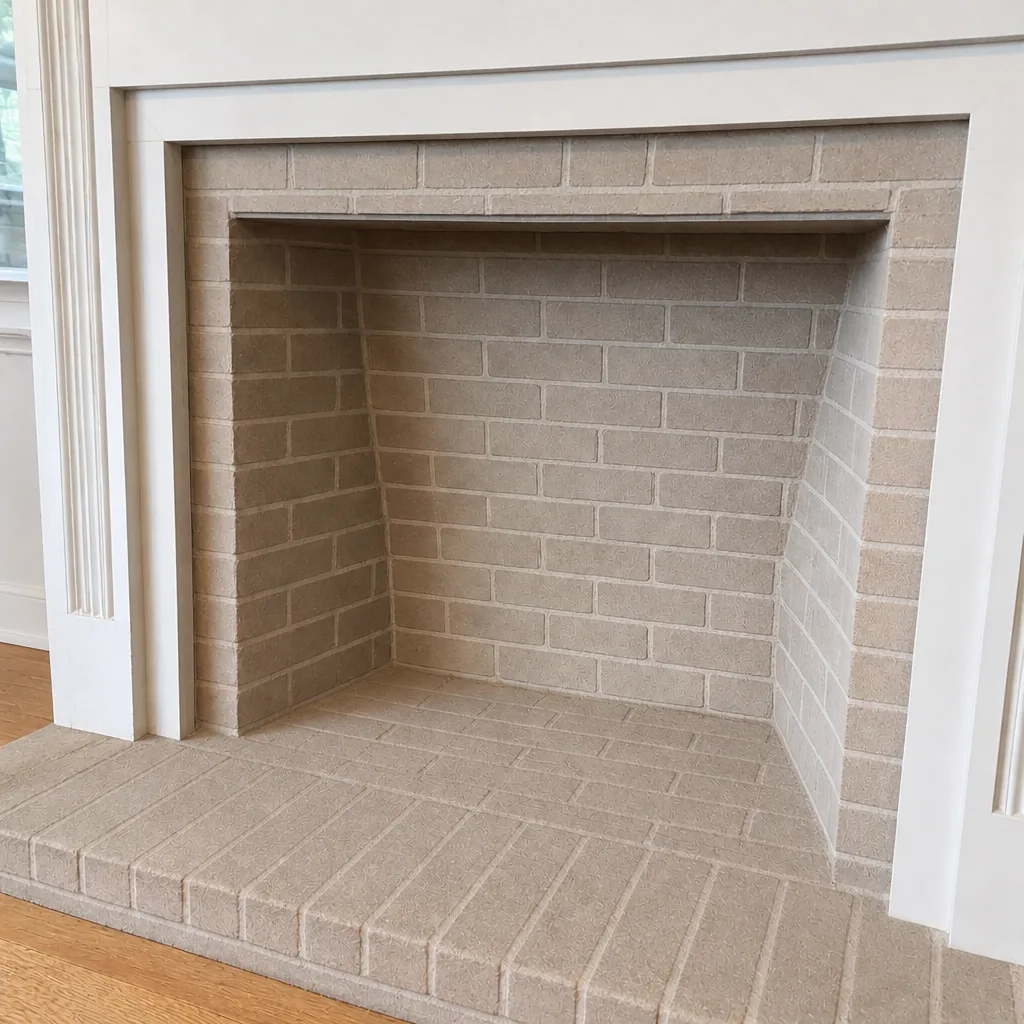
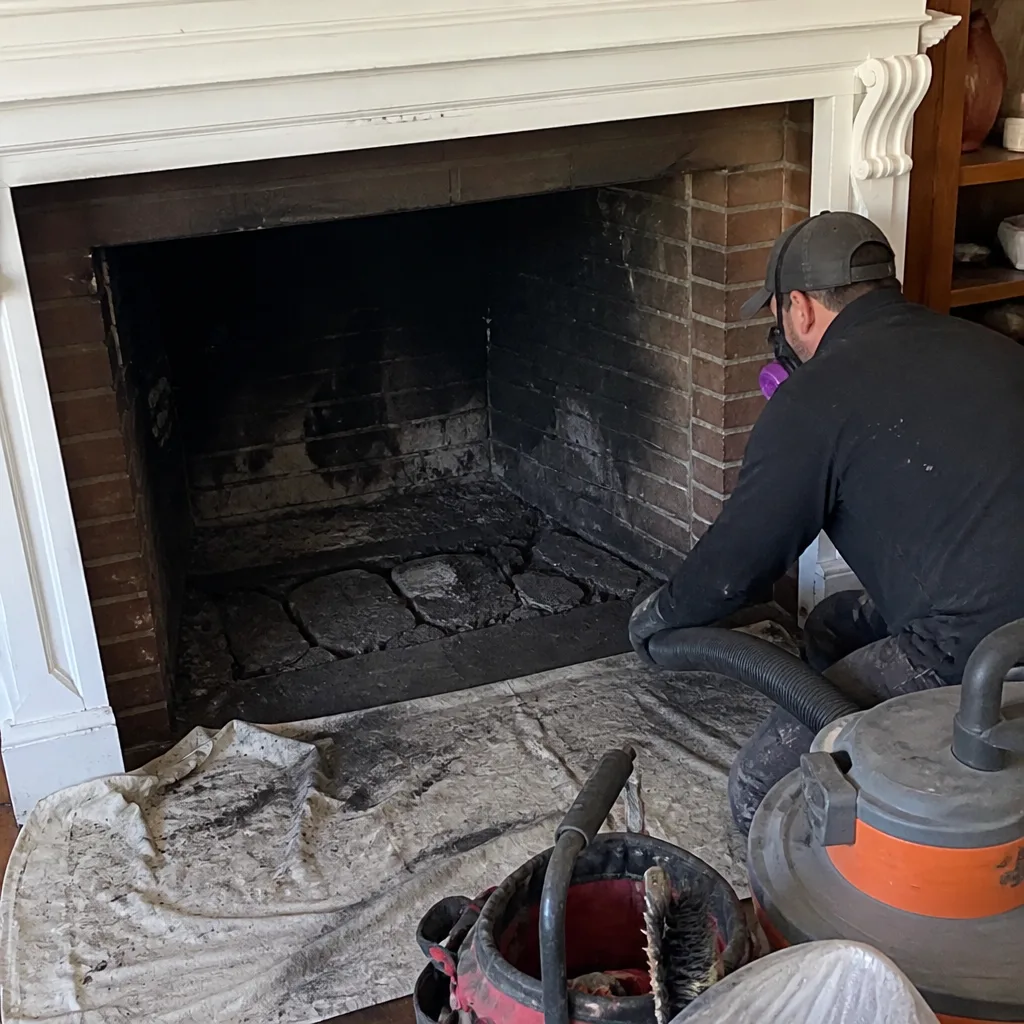
See the difference
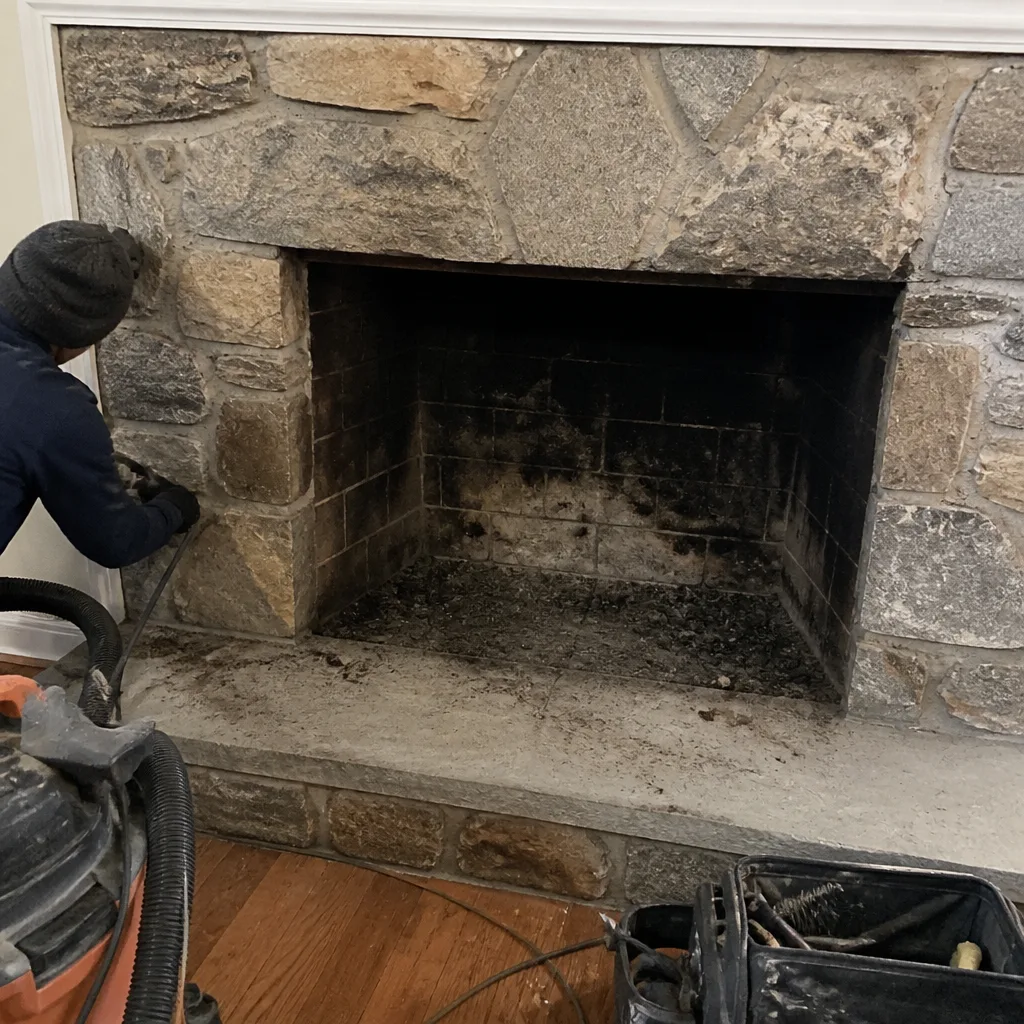 Before
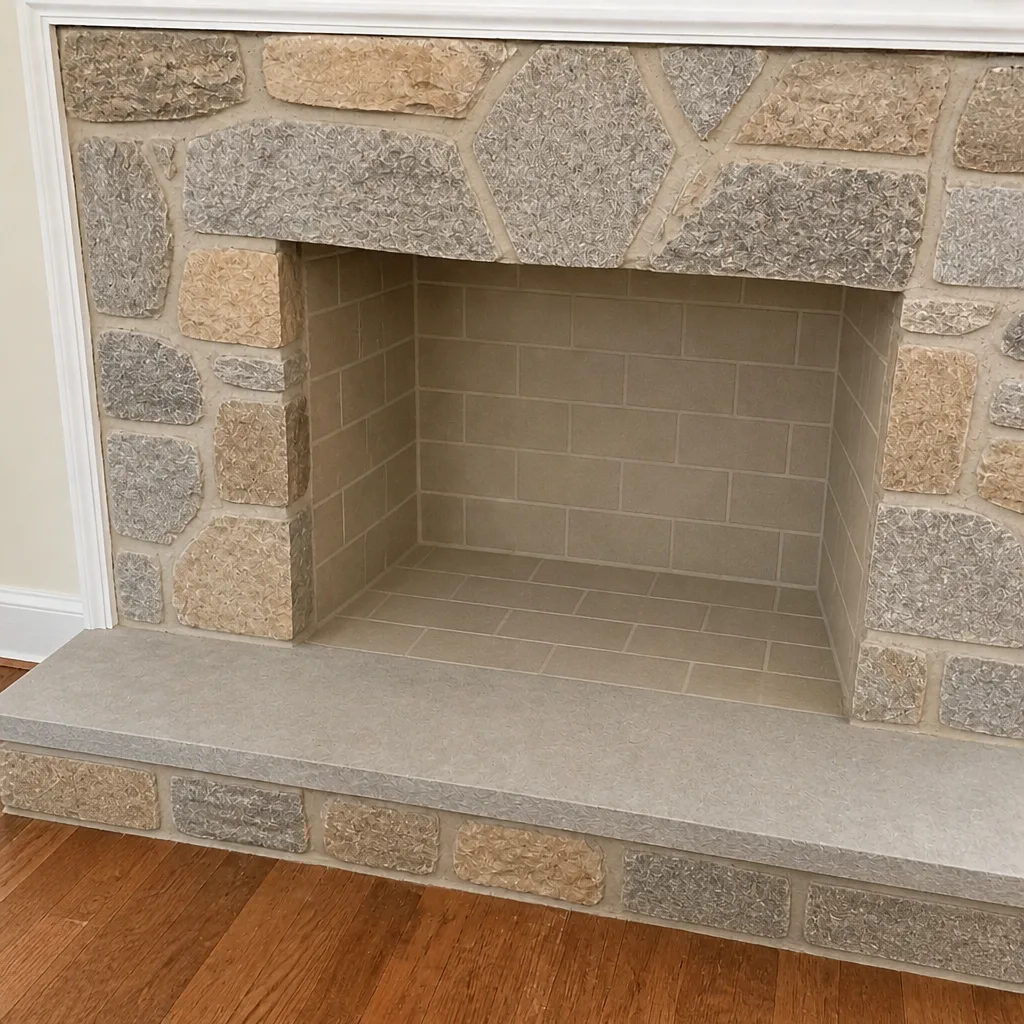 After
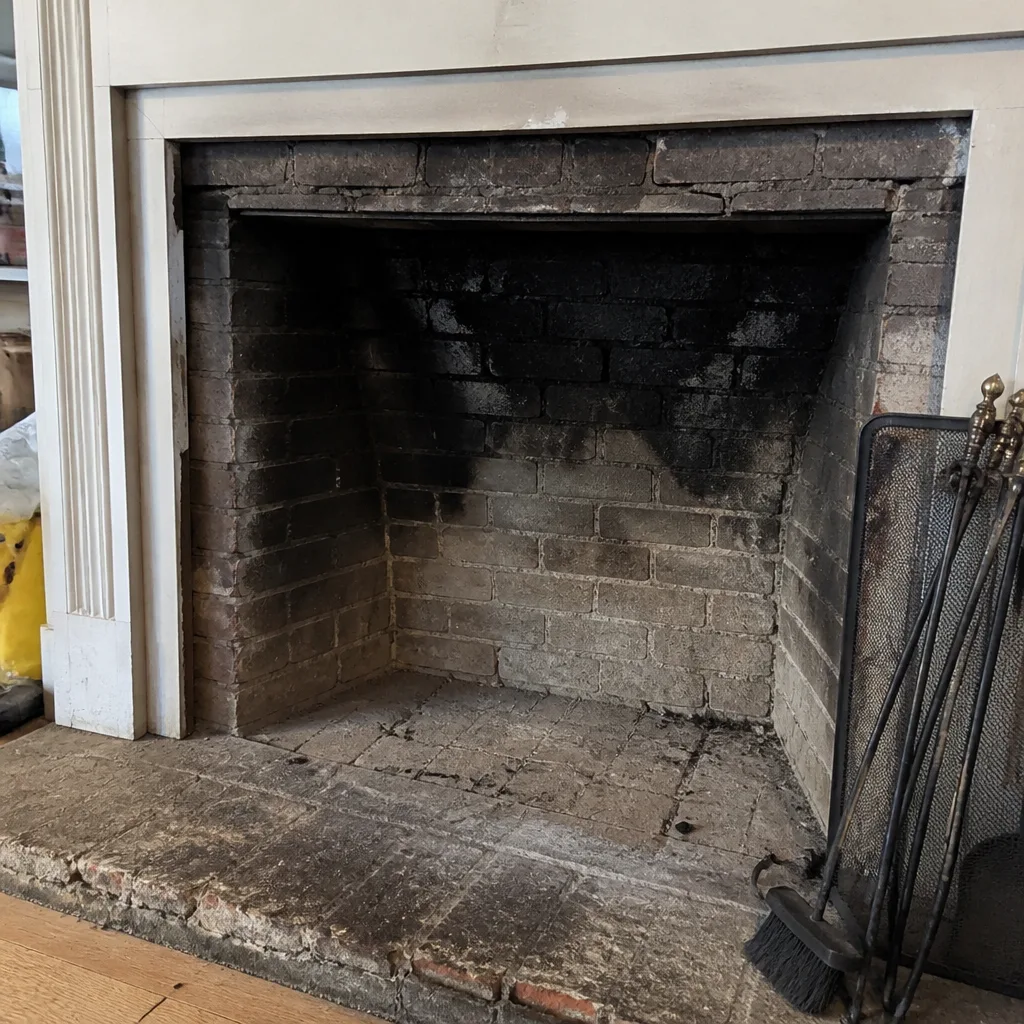 Before
 After
 Before
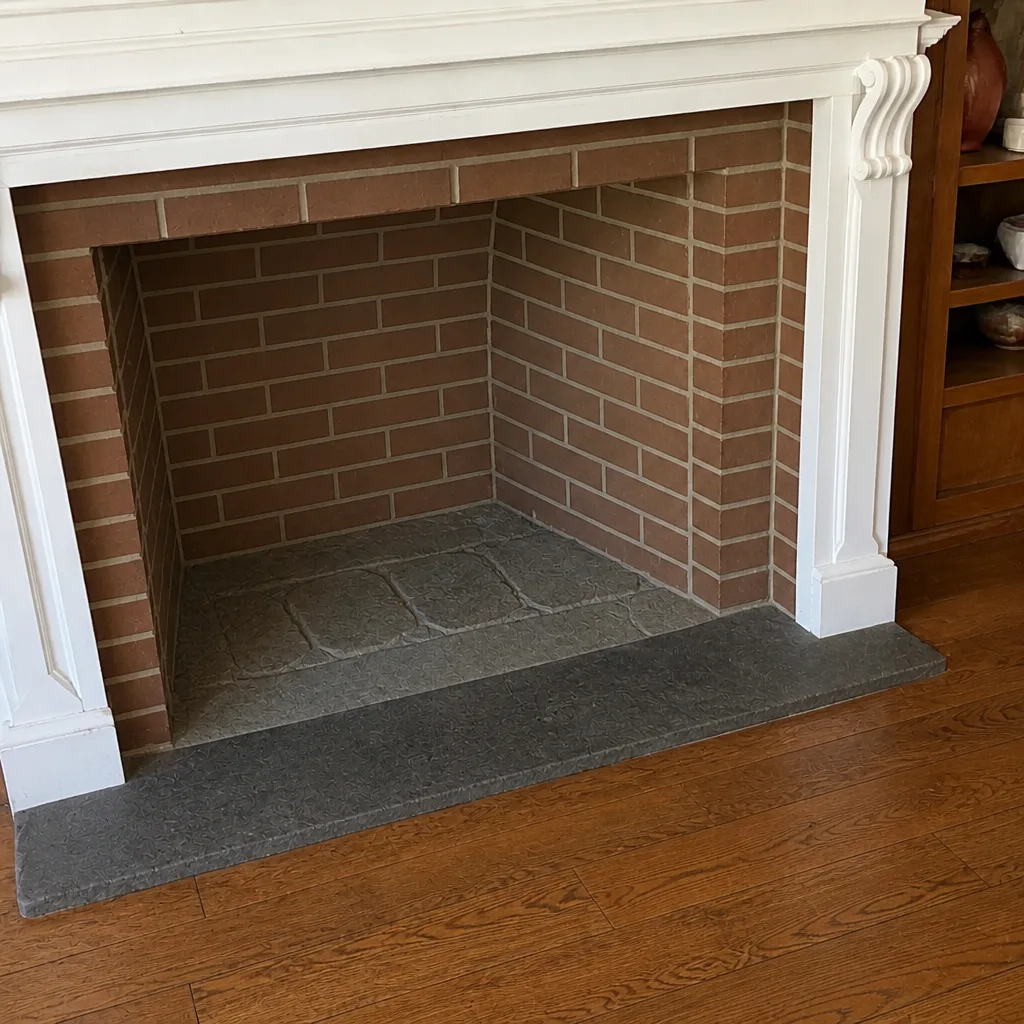 After