
Last updated November 25, 2026
 Sweep & inspection
 Caps & crowns
 Flue relining
 Masonry repair
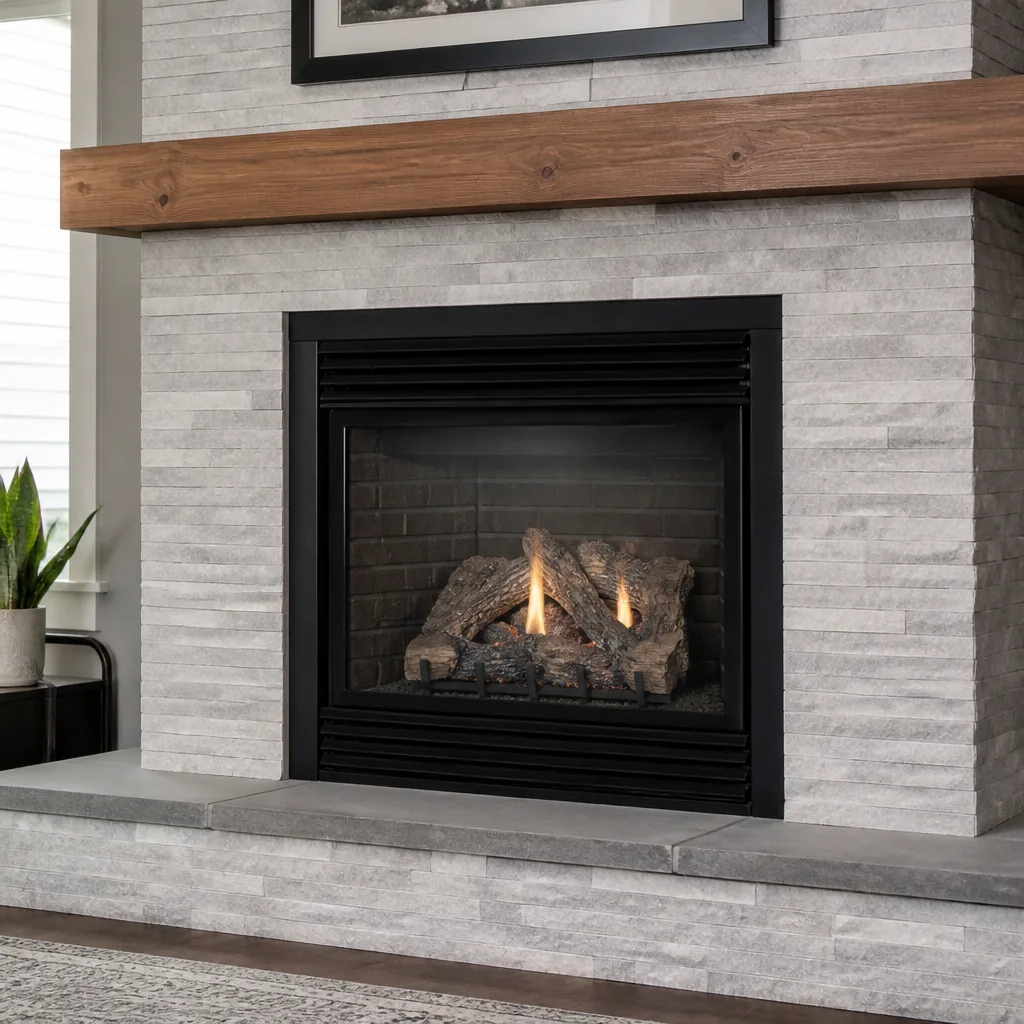 Gas fireplace service
Level 1 sweep and inspection to the NFPA 211 annual standard - flue, crown, cap, and flashing checked and photographed
Chimney sweep logs do not sweep chimneys. They loosen some creosote - which then falls where a brush and vacuum still have to collect it.
Choosing the Right Chimney Cleaning Brand: A Buyer’s Guide for Richmond Hill
The chimney cap your contractor installs will outlast the inspection report they hand you, provided they install the right one. Most homeowners never ask what brand of liner system or sealant is going into the flue. They should. When chimney professionals talk about “brands,” they don’t mean a franchise name painted on a van. They mean the liner alloy, the crown sealant, the creosote treatment, and the cap manufacturer. Those are the things that decide whether your chimney survives the next twenty winters or starts cracking within two summers. This guide is written for Richmond Hill homeowners who use their fireplaces and want to know what’s actually being installed, not just what the invoice says. You’ll learn which materials matter, which ones fail, and how to ask a contractor the questions that reveal real competence.
Quick Answer
The right chimney cleaning and repair partners are identified by the materials they specify, not by how they advertise. Look for flexible stainless liner systems sized in 316L alloy for gas or 304 for wood, cast-in-place or ceramic resurfacing systems like HeatShield for damaged flues, polymer-modified crown sealants rated for freeze-thaw cycling, and stainless caps from established manufacturers. Ask what brand of liner, which sealant, and what the temperature ranges are. A professional answers without hesitation. A sweep-only outfit often can’t.
Styles & brands we work with
- Sweep & inspection
- Caps & crowns
- Flue relining
- Masonry repair
- Gas fireplace service
Table of Contents
- What “Brand” Actually Means in Chimney Work
- The Liner Market, Broken Down Honestly
- Creosote Treatment Products: What Works and What Doesn’t
- Caps, Crowns, and Sealants That Survive New York Winters
- Questions to Ask Without Sounding Adversarial
- Where Big-Box Products Are Fine and Where They Aren’t
- Why Richmond Hill Conditions Change the Answer
- Materials Across the Full Service Scope
What “Brand” Actually Means in Chimney Work
When we talk about the brands we use, we mean manufacturers whose products are specified in chimney engineering specifications, not consumer retail lines. Copperfield liner systems, DuraFlex flexible stainless, HeatShield ceramic resurfacing, Gelco sealants: these are trade materials. They aren’t sold at a big-box aisle, and that’s part of the point. A liner system or a crown sealant chosen at retail is chosen for shelf space, not for how it performs in a working flue.
The distinction matters because chimney materials fail in quiet, invisible ways. A crown sealant that cracks after one winter lets water into the masonry. A liner that’s the wrong alloy pits from the inside and gives no visible warning. A cap that’s too light-gauge buckles under wind or snow load. By the time a homeowner notices a problem, the damage is already in the structure.
Professional-grade products share three traits:
- Documented temperature ratings with published service ranges, not vague “high heat” marketing copy.
- Alloy or composition specifications listed in the product literature, so you can compare apples to apples.
- Service-life documentation that a contractor can show you before installation, not after a failure.
A brand without those three is a name, not a standard. When we specify a chimney repair material for a Richmond Hill home, it has to answer all three questions before the work begins. If it doesn’t, it’s not going into the flue.
The Liner Market, Broken Down Honestly
There are three main liner categories in residential use: flexible stainless, rigid stainless, and cast-in-place or ceramic resurfacing. Each has a set of jobs where it’s the right answer and a set where it isn’t. A contractor who only offers one system tends to recommend that one for every house. That’s a warning sign, not a selling point.
Flexible Stainless Liner Systems
Flexible stainless liners are the workhorse of residential relining. They come in different alloys, and the alloy is the question you need to ask:
- 316L alloy is the higher-nickel grade and is normally chosen for gas appliances and for wood flues where condensate and acidic conditions are a concern.
- 304 alloy is the general-purpose grade for wood-burning appliances operating under normal conditions.
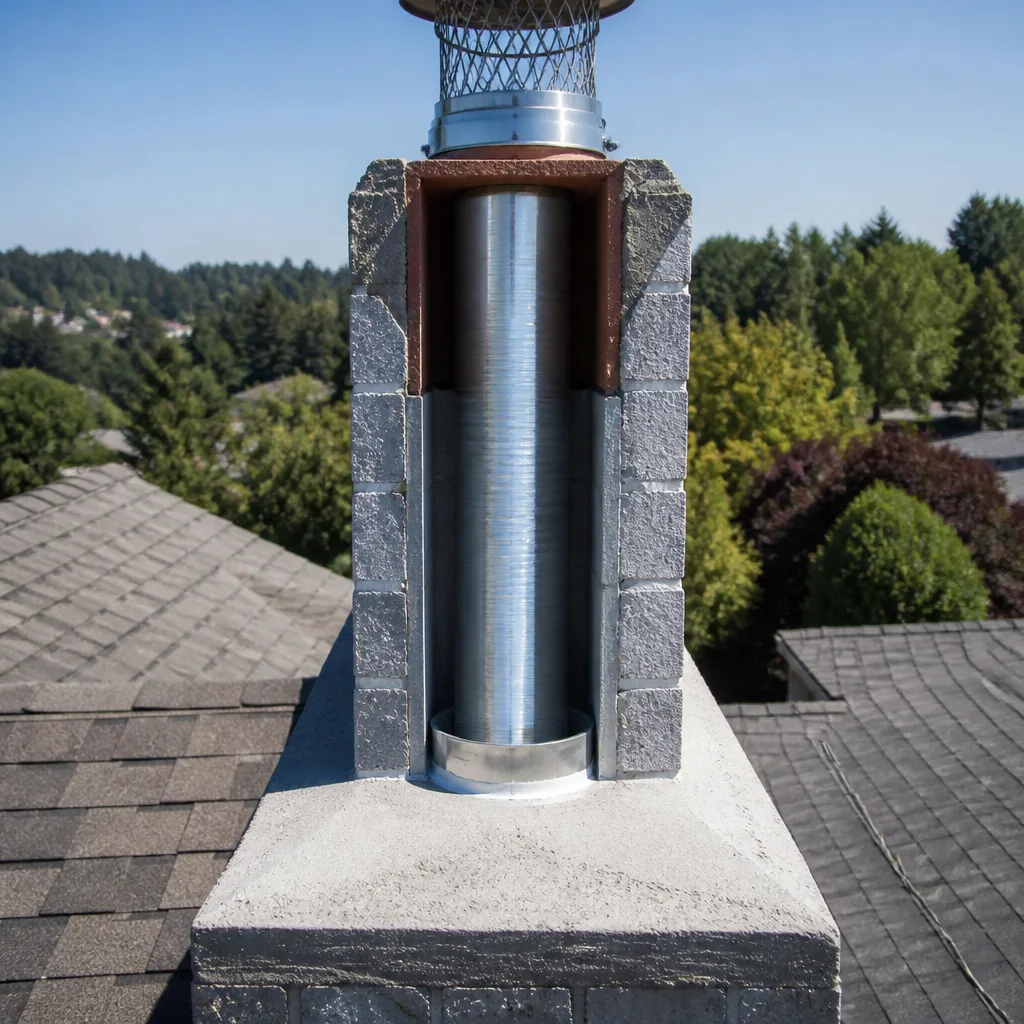
DuraFlex flexible liner systems let an installer size and reroute correctly even when the flue has bends or irregularities from an older build. In Richmond Hill’s housing stock, where older masonry chimneys were often built to accommodate nothing more than a fireplace opening, that flexibility is frequently the difference between a clean reline and a full rebuild.
Rigid Stainless Liner
Rigid pipe is correct when the flue is straight, true, and large enough to accept insulated sections. It’s often used for appliances with specific draft requirements where a consistent diameter matters more than flexibility. Rigid is easier to inspect down the road and typically has a longer service life in a straight run.
Cast-in-Place and Ceramic Resurfacing Systems
Cast-in-place systems create a new flue inside the old one. HeatShield ceramic resurfacing, which we apply, is a repair method that restores a deteriorated flue liner without demolition. It’s used when the original clay tile is cracked or pitted but the surrounding structure is still sound. The result is a smooth, continuous flue with a documented service life.
HeatShield is not the right answer for a badly compromised flue where the tile has separated entirely. It is the right answer for a flue that’s failing at the joints and surfaces. Asking a contractor “would HeatShield qualify on this flue, and if not, why?” tells you whether they’re thinking systemically or just swapping pipe.
Creosote Treatment Products: What Works and What Doesn’t
Creosote is the residue of incomplete combustion, and it comes in three forms that behave very differently. Stage 1 is soot and light flake that a brush removes easily. Stage 2 is glazed, hardened creosote that needs mechanical action. Stage 3 is the dense, tar-like deposit that has bonded to the flue wall and is a genuine fire risk. Retail “creosote remover” sprays sold to homeowners are designed for Stage 1 and light Stage 2, and even then only as preparation, not as a clean.
Liquid Catalytic Removers (ACS-Type Products)
Catalytic removers are chemical products, often called ACS-type (anti-creosote solvent) treatments, that chemically alter creosote deposits so they become brittle and easier to remove. They’re applied during the cleaning process, not instead of it. When used correctly, they soften the glazed layers that a rotary brush would otherwise skate across without effect.
The process usually looks like this:
- Inspect the flue to determine the creosote stage and coverage.
- Apply a catalytic treatment appropriate to the deposit type, allowing it to sit per the manufacturer’s specification.
- Return after the treatment period to perform the mechanical clean. The brittle residue now brushes free.
- Re-inspect to confirm the flue wall is clear and the liner, if any, is intact.
That’s the sequence for Class 2 preparation. It is not something a spray-and-leave consumer product replicates. Retail sprays sold as “creosote removers” often do nothing measurable against glazed deposits, and in some cases they deposit their own film on the flue wall. If a chimney professional offers you a spray with no scheduled return and no mechanical follow-up, ask what evidence supports it.
A rotary mechanical clean is not a substitute for removal of glazed deposits either. Rotary equipment is the method; the catalytic product is the preparation. Together they work. Separately they don’t.
Caps, Crowns, and Sealants That Survive New York Winters
New York winters do two things to a chimney: they freeze and they thaw, repeatedly. Water gets into any crack, expands when it freezes, and widens the crack when it thaws. A crown sealant that seems fine through the summer can be failing by March. The materials that survive aren’t the cheapest ones; they’re the ones built for this cycle.
What to Look for in a Chimney Cap
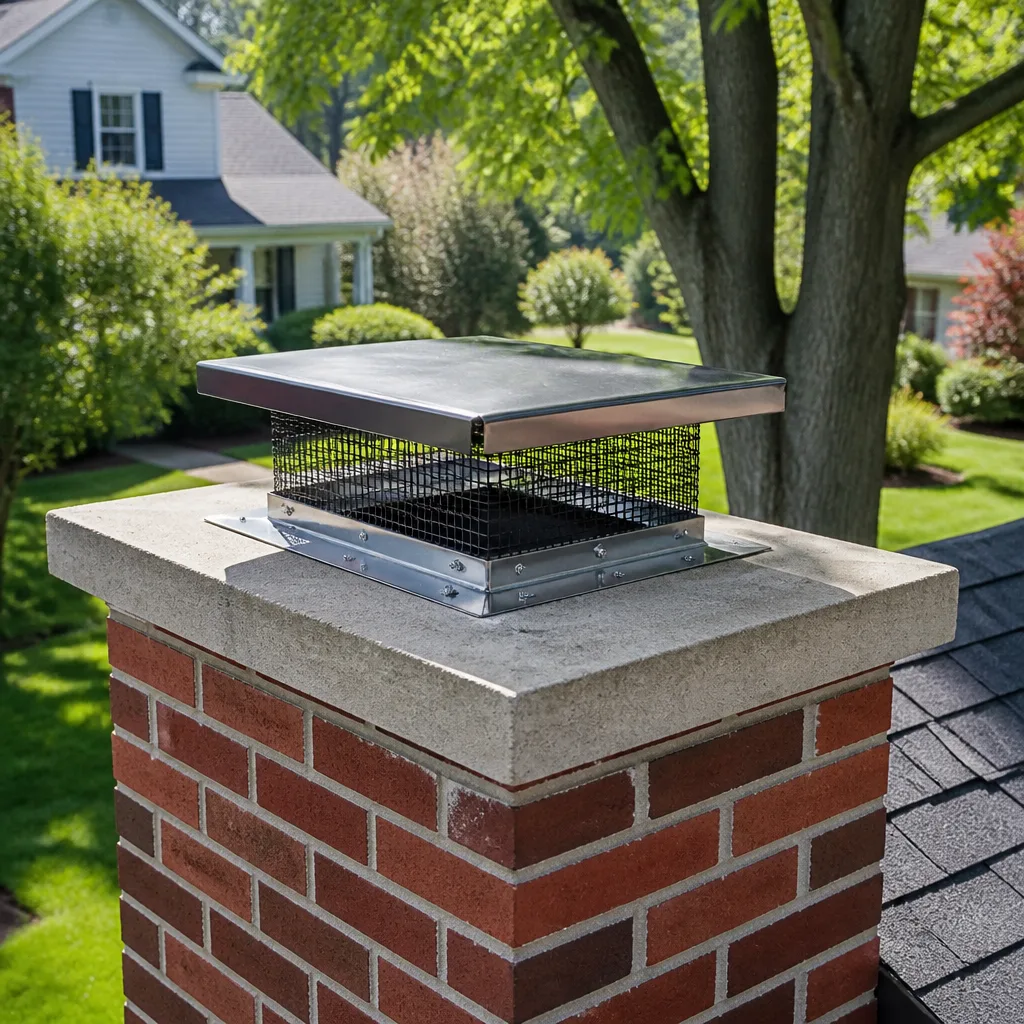
- Stainless steel mesh with a gauge sized for the application. Lighter mesh buckles under snow load and rusts through faster than the housing.
- All-stainless or stainless-over-galvanized construction. Galvanized steel alone will eventually rust in moisture cycling; stainless mesh and a stainless or properly coated housing last longer.
- Proper fit and attachment to the flue. A cap that’s screwed into the crown rather than the flue can lift in wind and pull the crown with it.
Cap manufacturers matter because they publish gauge and alloy specifications. If a contractor can’t tell you what the cap is made of, they don’t know, and if they don’t know, they haven’t sourced it from a manufacturer that publishes the data.
What to Look for in a Crown Sealant
The crown is the concrete or masonry top of the chimney. It takes the most direct weather. Two products are commonly used:
- Plain hydraulic cement. Porous. Cracks within a few seasons under freeze-thaw cycling. It’s what many chimneys were originally built with, and it’s what eventually fails.
- Polymer-modified sealants. Flexible, lower porosity, rated to specific temperature ranges. These flex slightly with the masonry instead of cracking away from it.
When you ask “what crown sealant do you use and what’s its temperature range?”, you’re asking a question that a professional answers with a brand and a spec. Gelco crown products, for example, carry published temperature and application specifications. A contractor using plain hydraulic cement will answer with a shrug or a vague “it holds up fine.” That’s the answer you need to hear, because it tells you what’s going into the crown.
Richmond Hill’s mix of older masonry chimneys and dense residential blocks means crown failure is often a slow, hidden problem. Water works in behind the brick face before it shows as an interior leak. If your crown was last sealed with plain cement, the question isn’t whether it will crack but when. This is also why we approach chimney cap & crown work as a matched pair: the cap and the crown weather together, or neither does.
Questions to Ask Without Sounding Adversarial
Homeowners worry that asking technical questions sounds rude or suspicious. It doesn’t. A professional hears “what alloy liner are you installing?” as a serious question and answers with the same seriousness. A sweep-only outfit hears it as a threat. That difference tells you more than any review.
Here are the questions we recommend, and what each answer reveals:
- “What alloy liner are you installing, and why that one?” – expected: 316L for gas, 304 for wood, with a reason. A vague “stainless” answer is a red flag.
- “What crown sealant do you use, and what’s its temperature range?” – expected: a brand name, a product, and a range. “Cement” alone means the crown will crack again.
- “Is the cap stainless mesh, and what gauge?” – expected: a gauge number and an alloy. “Stainless” alone is not an answer.
- “Does my flue qualify for HeatShield resurfacing, and if not, why?” – expected: a real assessment of tile condition, not a yes/no. A professional explains the criteria.
- “What do you use for glazed creosote, and is there a return visit?” – expected: a catalytic treatment plus a scheduled mechanical clean. “We brush it” is not an answer for Stage 2 or 3.
- “Can you show me the inspection findings before recommending repair?” – expected: yes, with documentation. Any hesitation means recommendations aren’t tied to observed conditions.
The pattern is simple. Every question asks for a specification, not an opinion. Contractors with real material knowledge answer these in one breath. Contractors without it answer in paragraphs.
We start every job with a documented inspection for exactly this reason. When we walk you through what we found in your Richmond Hill chimney, we’re showing you the conditions the recommendation is based on, so the conversation isn’t about trust, it’s about evidence. That’s a much easier conversation to have.
Where Big-Box Products Are Fine and Where They Aren’t
Big-box chimney products exist because a lot of homeowners want to do simple things themselves. That’s fine. Which products are acceptable depends entirely on where the product goes.
Where retail products are reasonable
- Decorative glass fireplace doors. Style choice more than a performance item (though fit matters).
- Basic brush kits for a Class 1 wood-burning fireplace where the flue is clean and accessible and the homeowner is comfortable doing a light soot removal.
- Hearth tools and screens. Decorative and functional, but not system-integrity items.
Where retail products are not acceptable
- Liner systems. The alloy and the wall thickness are the whole product. Retail liners often don’t carry alloy specs and sometimes don’t carry proper listings. This is a fire-safety component.
- Structural sealants. Crown sealant and mortar must meet a freeze-thaw duty. Retail “chimney repair” caulk doesn’t.
- Cap installation on an active flue. A cap is a passive safety device. If it’s too light or badly fitted, it doesn’t do its job.
There’s a reason the professionals specify DuraFlex, HeatShield, Gelco, and Copperfield for these components. Those products have published specifications that a tradesperson can verify, and manufacturers who stand behind them. A homeowner can’t verify a retail liner’s alloy because it usually isn’t printed on the package.
A quick note on safety
High-heat components in a chimney – liner systems, cap installations, structural repair on an active flue – are not DIY territory. A failed liner or a badly sealed crown lets combustion gases escape into the home, and carbon monoxide exposure is not something a homeowner can detect without equipment. If you’re considering work on these components, call a trained professional. We do this daily; the risks are real and the fix is not.
Why Richmond Hill Conditions Change the Answer
Richmond Hill’s housing stock and weather both shape how these materials perform. The neighborhood has a wide range of home ages, and the chimneys reflect that: older masonry chimneys built to a different standard, newer systems with factory-built flues, and everything in between. A contractor working in Richmond Hill needs to read the flue, not the zip code.
Freeze-thaw cycles matter here more than in milder climates. In Richmond Hill, a crown sealant has to flex through repeated cycles without cracking. A liner has to resist condensate from gas appliances and wood flues in cold conditions. A cap has to bear snow load in winter without buckling. The materials that succeed in a milder climate can fail here within a couple of seasons.
That’s why the brand question isn’t academic. When a contractor uses a polymer-modified sealant with a documented temperature range on a Richmond Hill crown, the crown has a real chance of lasting a decade. When they use plain cement, the question becomes how quickly it fails. When they install a properly listed flexible stainless liner, the flue maintains integrity through the seasons. When they install a retail liner, the flue looks fine on the day of install and shows the failure later.
We see all of it: the chimney that lost its cap in the first winter, the crown that cracked within eighteen months, the liner that pitted from the inside. These are the consequences of purchasing by convenience rather than specification. A homeowner in Richmond Hill who asks “what brand of liner?” once at the point of estimate avoids most of them.
Materials Across the Full Service Scope
A chimney isn’t one material, it’s a system of materials, and the person who sweeps it should be able to service every part of the system without handing you off. That’s why we work single-source across the full scope.
Sweeping and Inspection
Every job starts with a documented assessment. We inspect the flue, the firebox, the damper, the cap, and the crown, and we photograph what we find. Recommendations tied to observed conditions are what you’re paying for; recommendations without evidence are upsells. A good chimney sweep is a maintenance visit, and the value of a maintenance visit is what it reveals, not just what it removes.
Cap and Crown Work
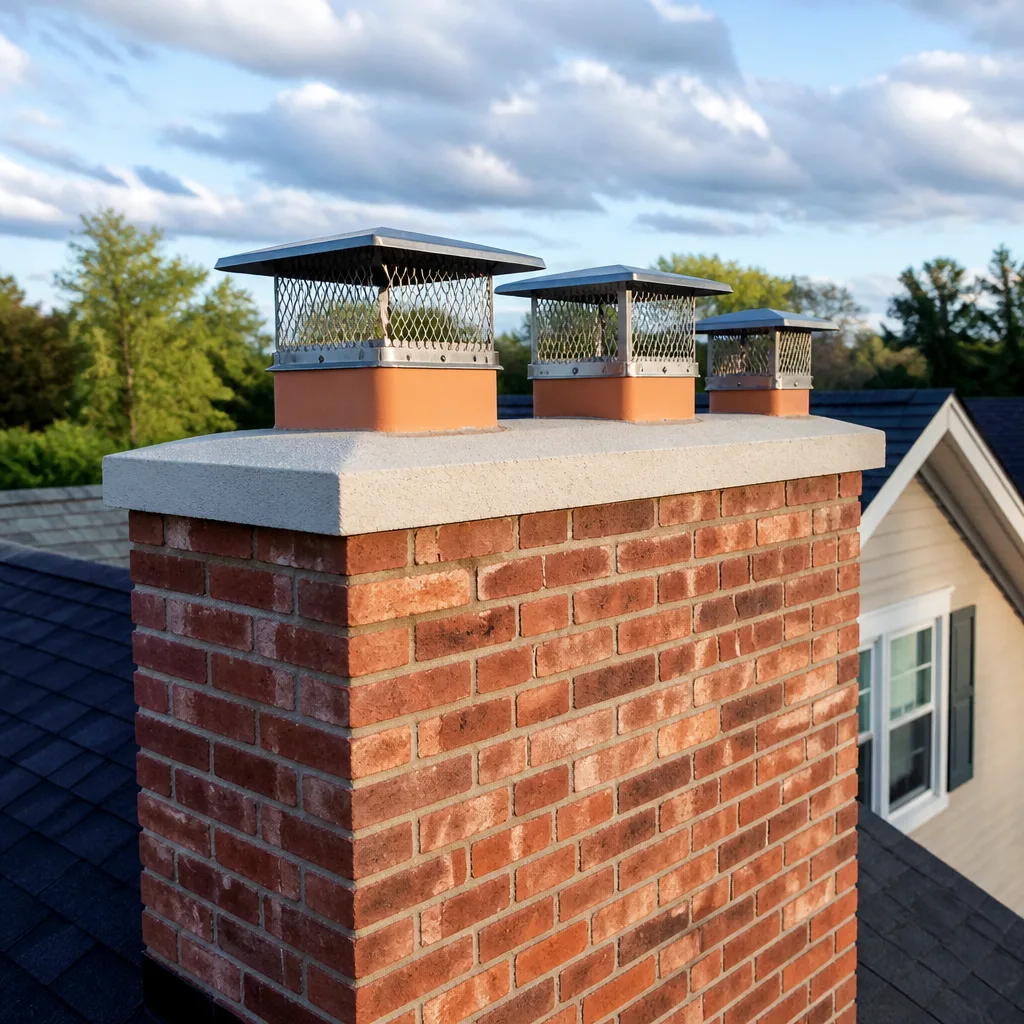
Stainless caps and polymer-modified crown sealants, installed as a matched system. The cap keeps water and animals out; the crown sheds what runs off the flue. In Richmond Hill, this pair is where most preventable chimney deterioration begins or ends.
Liner Repair and Replacement
Flexible stainless from DuraFlex, in the alloy the appliance requires. Rigid stainless where the run allows it. HeatShield ceramic resurfacing where the tile is failing but the structure is sound. We install on-site, which means the liner is sized and fitted to your flue rather than to a stock measurement.
Structural Repair
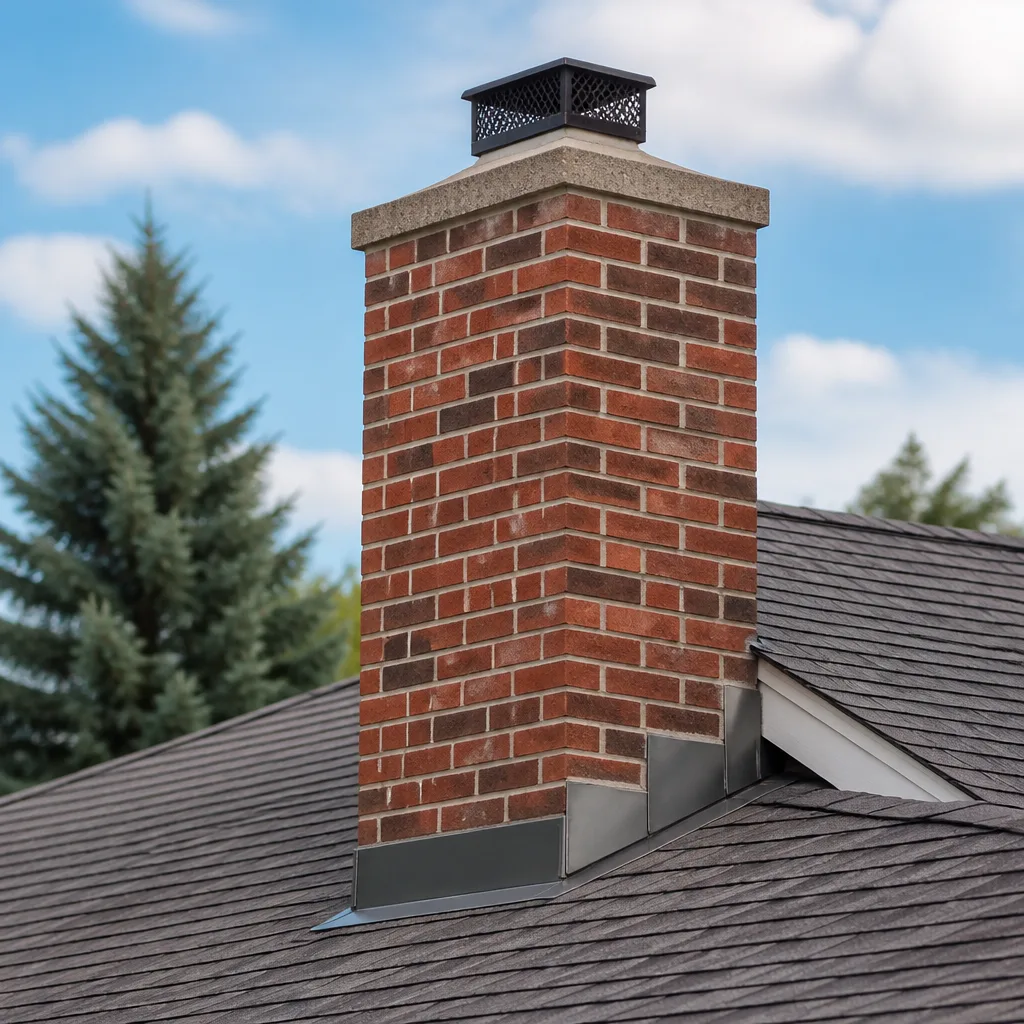
Mortar work, rebuilding, and stone or brick repair. A structural chimney repair also covers the sealants and materials at the top of the stack that weather first. If the cap and crown are failing, the masonry below them is taking water too; the repair plan has to address both.
Fireplace Repair
Firebox, damper, and hearth repair. Gas fireplaces and wood-burning fireplaces have different requirements, and the materials have to match the appliance. A gas fireplace with a liner selected for wood can develop condensate problems that aren’t visible until inspection.
Common Mistakes to Avoid
- Hiring on price alone. The lowest quote is often the one specifying the cheapest sealant and the least-documented liner. A cheap cap that fails in two winters costs more than a stainless one that lasts.
- Accepting “stainless” without the alloy. 316L and 304 behave differently. Ask which alloy and why, every time. Richmond Hill winters don’t reward guessing.
- Treating the crown as a cosmetic repair. The crown is structural. Plain hydraulic cement in a New York freeze-thaw climate will crack, and the masonry below will absorb the water.
- Using retail sprays for glazed creosote. Stage 2 and Stage 3 deposits need catalytic preparation and mechanical cleaning. A spray without a scheduled return does neither.
- Skipping the pre-job inspection. Every repair recommendation should be tied to documented conditions. If a contractor recommends a liner replacement before inspecting the flue, the recommendation isn’t evidence-based.
- Hiring a sweep-only outfit for structural work. A company that only sweeps can’t repair the crown, reline the flue, or handle the cap. That hands the job to a second contractor, and the second contractor blames the first when something fails.
- Assuming a cap is a cap. Gauge, mesh, alloy, and mounting all matter. A cap screwed into the crown instead of the flue can lift in wind. Ask how it’s attached before the ladder goes up.
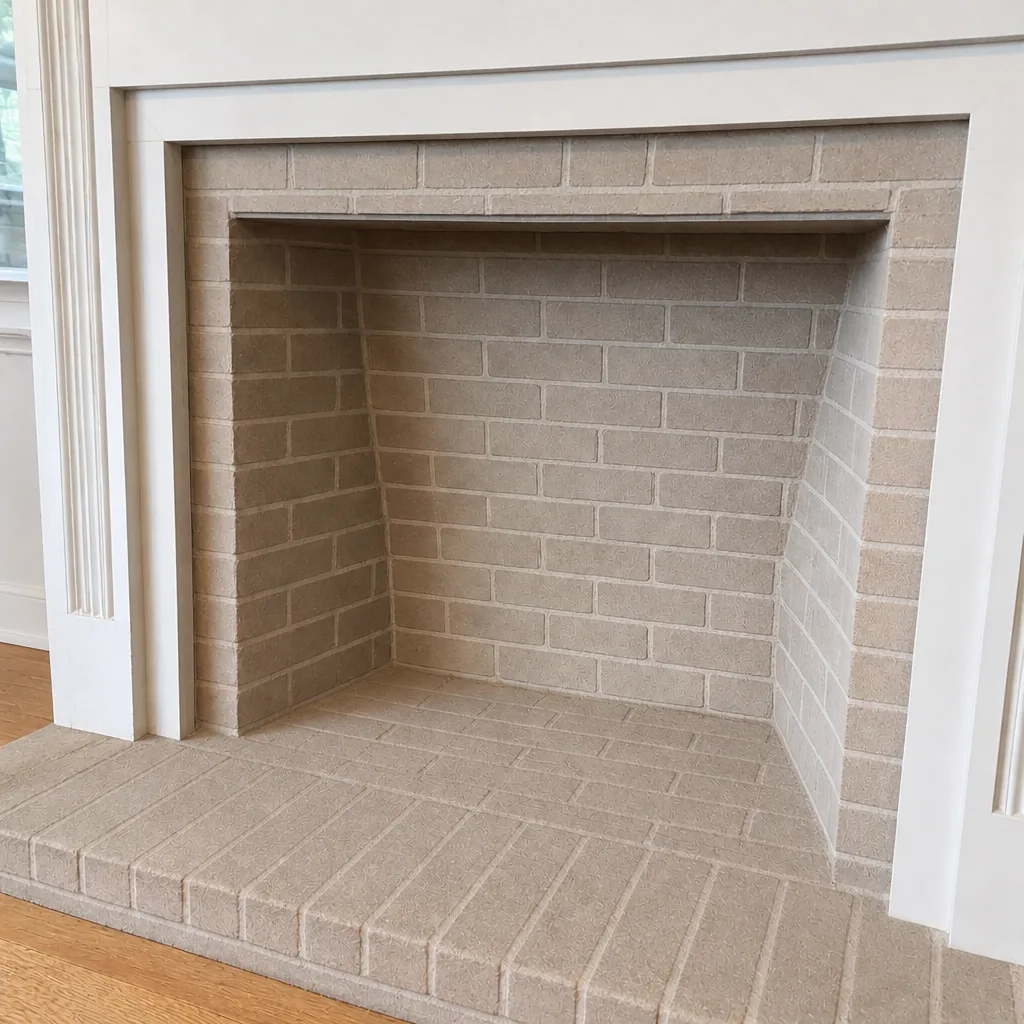
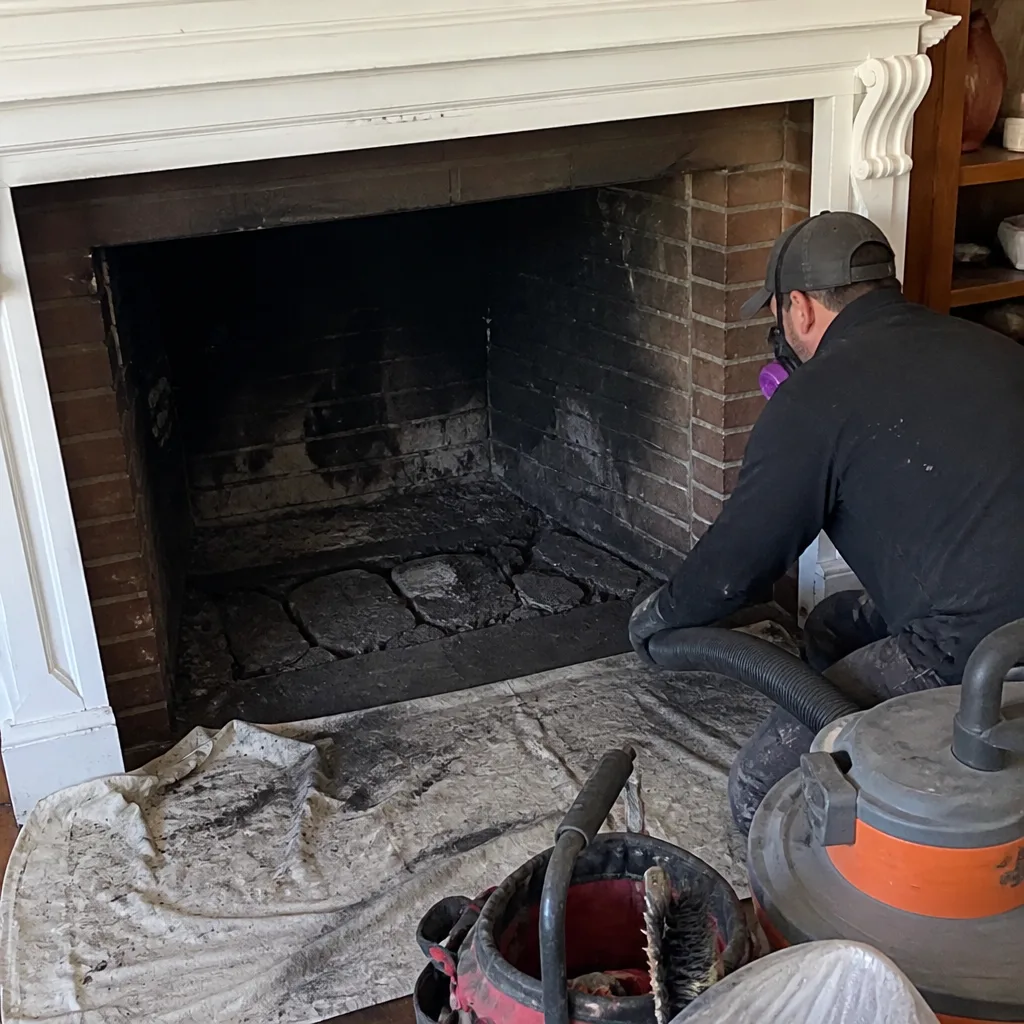
See the difference
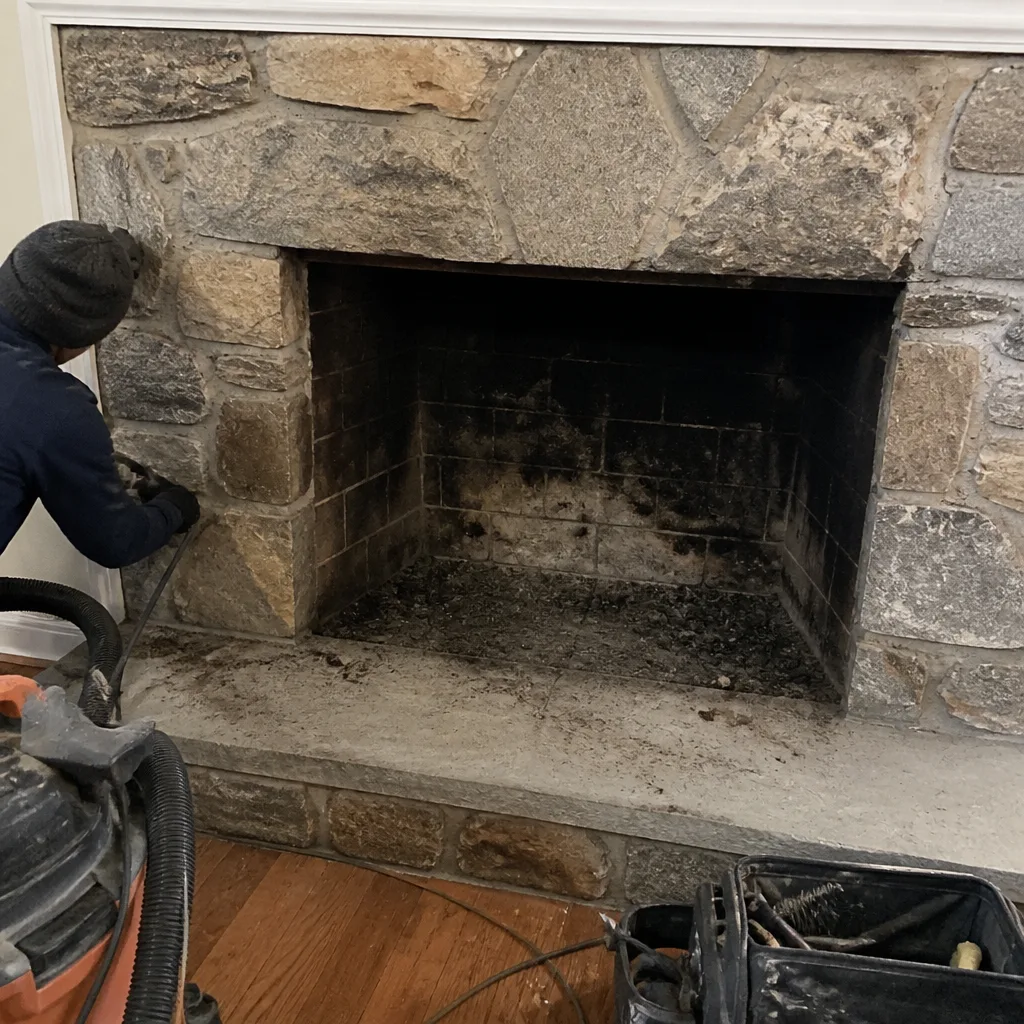 Before
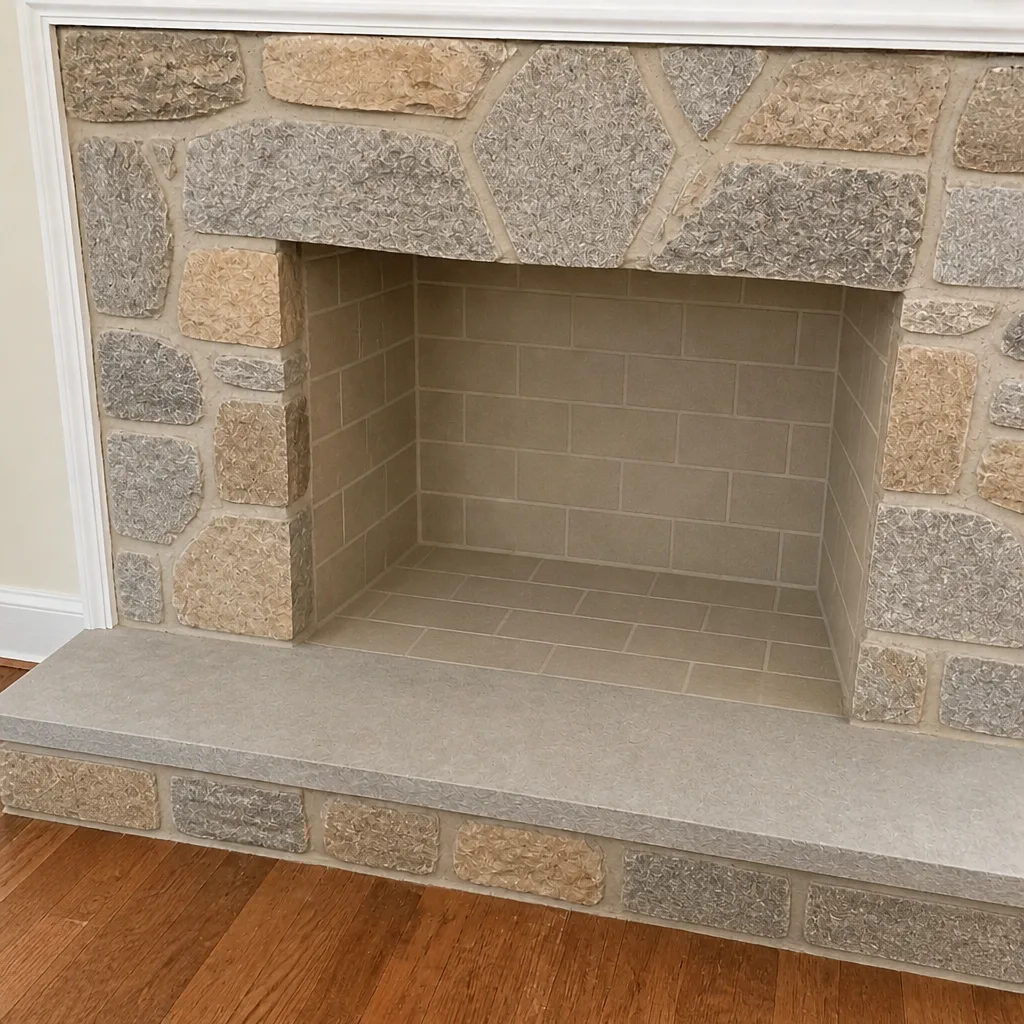 After
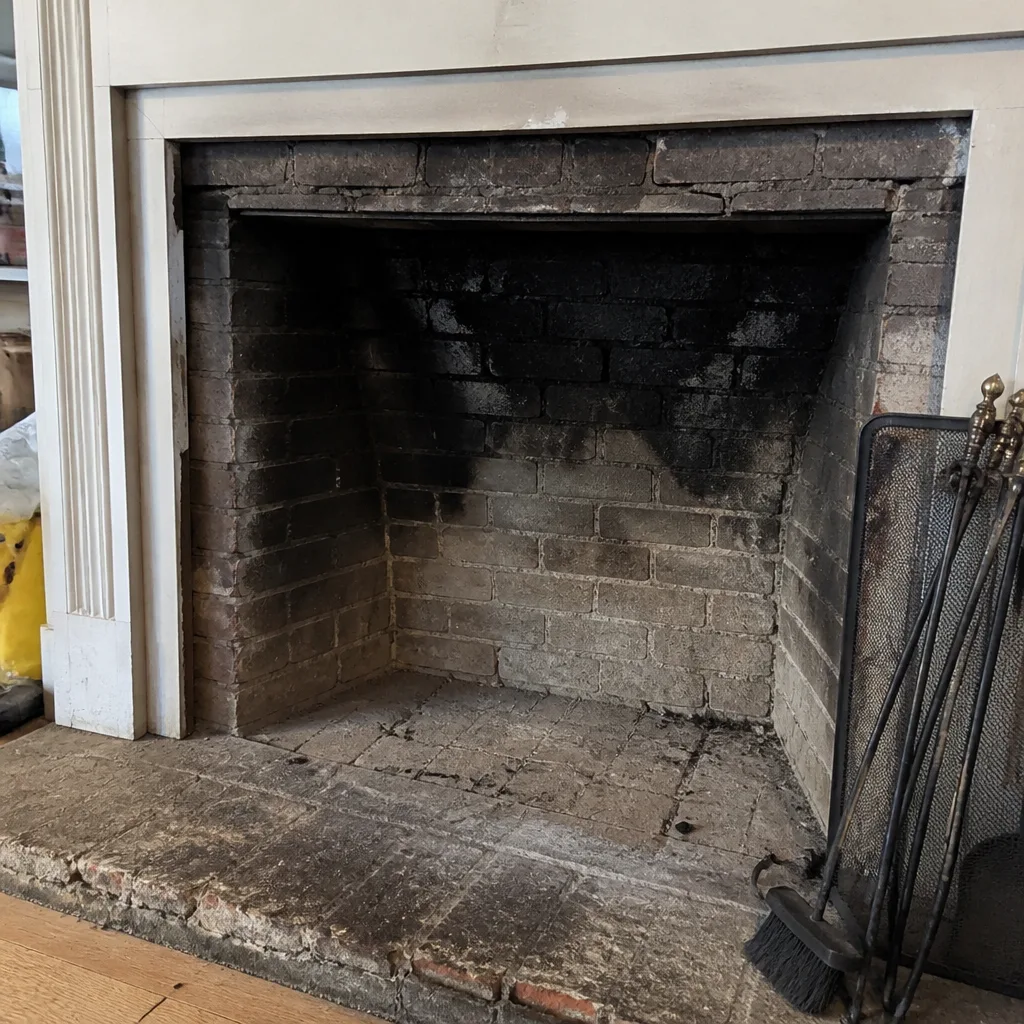 Before
 After
 Before
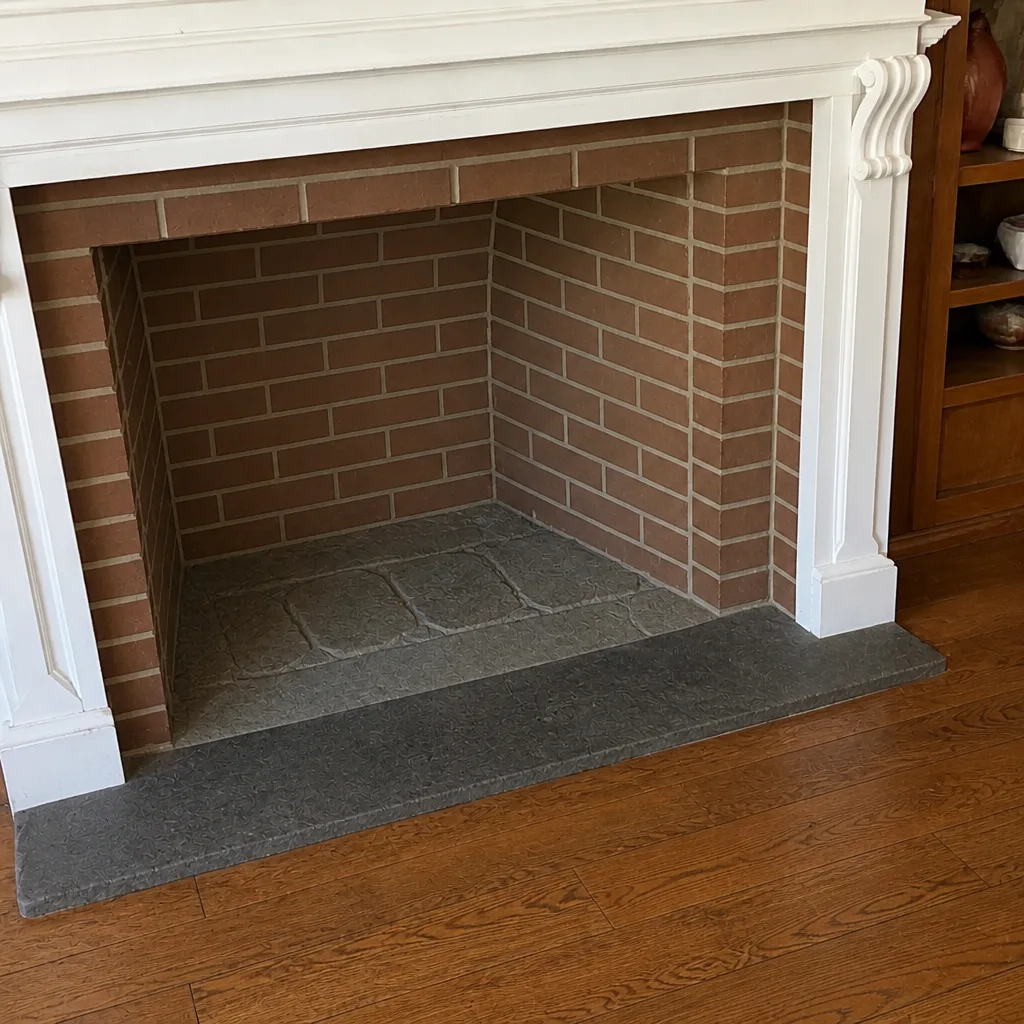 After
When to Call a Professional
Some chimney work is routine and can wait a season. Some work should be scheduled as soon as you notice a change. Call us when the smoke has stopped drafting properly, when you smell creosote in the house, when you’ve had a chimney fire (even a small one), when water stains appear on the ceiling near the chimney, or when you can’t remember the last inspection. Those signals point to conditions inside the flue that a homeowner can’t see, and some of them are fire-safety conditions, not maintenance items.
We also hear from Richmond Hill homeowners who want a second opinion before authorizing a liner replacement. That’s a good reason to call. Every job we quote starts with a documented inspection and an explanation of the conditions behind the recommendation. Chimney Sweep Richmond Hill offers free estimates in Richmond Hill. Call (888) 846-8349. We answer 24/7. Fast dispatch from 7am to 7pm, Sunday through Friday.
When you review your options, start with our Chimney Sweep Richmond Hill page for a full picture of the service scope, or go straight to the chimney sweep page if you’re booking an annual inspection.
Frequently Asked Questions
Flexible stainless from a professional-trade manufacturer is the standard for most residential relines. DuraFlex systems are among the products specified by chimney engineers, and the alloy you need depends on the appliance: 316L for gas, 304 for wood under normal conditions. For a deteriorated tile flue with a sound structure, HeatShield ceramic resurfacing may be the better option. The right answer depends on the flue and the appliance, not the brand alone. Call (888) 846-8349 for an inspection-based recommendation.
Professional-grade products publish alloy, gauge, and temperature specifications, and their service life is documented. Big-box retail products usually don’t publish these specifications because they aren’t meant for structural or high-heat components. Decorative items like glass doors are fine at retail. Liners, structural sealants, and caps belong to a trade manufacturer.
Ask what product was used and what its temperature range is. Polymer-modified sealants answer that with a name and a spec; plain hydraulic cement doesn’t. In Richmond Hill’s freeze-thaw climate, plain cement cracks within a few seasons. If your crown feels loose, crumbles at the edge, or shows a hairline crack, it’s worth a look before the next freeze.
A retail brush kit is fine for a light soot removal on a Class 1 wood-burning fireplace where the flue is clean and accessible. It is not fine for glazed creosote (Stage 2 or 3), for any flue that hasn’t been inspected, or for a chimney with a liner. Those conditions require a professional with rotary equipment and, if needed, a catalytic treatment. Call (888) 846-8349 if you’re unsure which situation applies to your Richmond Hill chimney.
HeatShield is worth it when the flue tile is cracked or pitted but the surrounding structure is sound, because it restores the liner without demolition. Replacing the liner is the right answer when the tile has separated or the flue is badly compromised. A documented inspection tells you which applies. Heating technicians can show you the criteria. Call (888) 846-8349 for a HeatShield qualification check.
Stainless steel mesh and an all-stainless or properly coated housing last longest in New York freeze-thaw conditions. The gauge of the mesh matters as much as the alloy; lighter mesh buckles under snow load and rusts through faster. Ask what alloy and what gauge before the cap goes on. Call (888) 846-8349 for a quote.
The Bottom Line
Choosing the right chimney cleaning brand comes down to specifics. Ask what alloy liner is going in, what crown sealant is being used, and what gauge the cap mesh is. Professional-grade products publish those specifications; retail products usually don’t. DuraFlex, HeatShield, Gelco, and Copperfield are trade manufacturers whose materials hold up to the freeze-thaw cycling that Richmond Hill chimneys experience every winter, and they’re the ones specified by chimney engineers. Big-box products are fine for decorative items and Class 1 maintenance kits. They’re not fine for liners, structural sealants, or caps on an active flue. Every job we recommend starts with a documented inspection, so the recommendation matches the conditions. If a sweep-only company can’t answer these questions, they can’t do the work that follows.
Written by the team at Chimney Sweep Richmond Hill.