
Last updated November 25, 2026
 Sweep & inspection
 Caps & crowns
 Flue relining
 Masonry repair
 Gas fireplace service
Level 1 sweep and inspection to the NFPA 211 annual standard - flue, crown, cap, and flashing checked and photographed
Chimney sweep logs do not sweep chimneys. They loosen some creosote - which then falls where a brush and vacuum still have to collect it.
Chimney Cleaning Emergency Preparedness Guide for Richmond Hill Homes
If your chimney fire produces visible flames at the flue cap, your neighbors’ homes are already at risk. In Richmond Hill’s attached row houses, a chimney event is never just your problem. That’s the part most preparedness advice misses. People picture a fire contained inside a brick column, when in fact a masonry chimney in a rowhouse shares structural walls with the homes on either side, and the heat and smoke have somewhere to go besides your living room. This guide covers the first ten minutes of a chimney event: how to recognize one, what to do, what never to do, and what to put in place before you ever need it.
Quick Answer
If you suspect a chimney fire, close the damper, get everyone out of the house, and call 911 from outside. Do not open the firebox to check, and do not throw water on the fire. A chimney that has had a fire cannot be returned to service until a documented Level 2 inspection, including video of the flue, has confirmed what happened inside the chimney. No reputable contractor clears a chimney for use the same day a fire occurred, and in Richmond Hill’s attached housing the clock runs faster because a party wall carries risk straight into the next home.
Styles & brands we work with
- Sweep & inspection
- Caps & crowns
- Flue relining
- Masonry repair
- Gas fireplace service
Table of Contents
- How to Recognize an Active Chimney Fire
- The First Ten Minutes: What to Do
- Why Attached Homes Change the Stakes in Richmond Hill
- After the Fire: Inspection and Clearance Protocol
- Preventive Infrastructure That Reduces Emergency Risk
- Creosote, Burning Season, and Why Timing Matters
- Building a Chimney Emergency Plan for Your Home
- Common Mistakes to Avoid
How to Recognize an Active Chimney Fire
A chimney fire doesn’t always announce itself with flames. Many burn hot and fast inside the flue and are over before the fire department arrives, leaving a homeowner unsure whether anything happened at all. Others smolder slowly for hours. What separates an active chimney fire from the ordinary sounds and smells of a working fireplace is intensity and character: the noise is louder than the fire below, the smell is sharper and more chemical than wood smoke, and the smoke at the cap is denser than anything a normal fire produces.
Watch and listen for this combination of signs:
- Roaring or rumbling: a sound like a freight train or a low aircraft rumble, far louder than the crackle of burning wood. This is the classic signature of a chimney fire pulling its own air.
- Sharp, acrid smell: distinct from the familiar wood-smoke scent. It has a hot, metallic, almost chemical edge that lingers in the room.
- Dense smoke at the cap: thicker and darker than ordinary exhaust, sometimes with visible flames at the top of the chimney.
- Popping or ticking: creosote igniting in sections can produce a crackling rhythm that sounds different from the firebox.
- Puffs of smoke or heat coming back into the room: the flue is no longer drafting correctly, which is a sign something is blocking or consuming the draw.
- Warped or discolored damper or cap: after the fact, warping or heat discoloration is the evidence that a fire occurred, even a small one.
If the sound, smell, and smoke line up with even part of this list, treat it as a fire and act. In our experience, the callers who wait to be sure are the ones who end up needing the most repair. Our technicians have up to 15 years of experience, and the pattern holds across all of it: what looks minor from the living room can be significant inside the flue.
The First Ten Minutes: What to Do
The correct response sequence is short, and following it in order matters more than speed. Close the damper to starve the fire of air, leave the appliance completely alone, get everyone out, and call 911 from outside the home. Everything else is secondary, including possessions, pets you can’t safely reach, and finding out what’s going on inside the firebox.
Here is that sequence as a numbered list to keep where it’s easy to find:
- Close the damper. Cutting the air supply slows the burn. Don’t open the glass doors or the firebox, which feeds the fire.
- Leave the fireplace alone. Do not add water, do not move logs, do not reach or look into the firebox.
- Evacuate everyone. Take children and pets out the nearest safe exit and close doors behind you where you can. Move away from the chimney side of the house.
- Call 911 from outside. Tell the dispatcher it’s a chimney fire and give the address and the type of home (row house or detached).
- Flag the fire department if you can do it safely. In Richmond Hill’s tight blocks, a visible hand from the sidewalk saves the crew minutes.
- Do not re-enter until the fire department clears the building, even if the noise has stopped.
One thing that makes the first ten minutes easier is a plan everyone in the household has rehearsed. The plan needs to include where the exits are, who takes the kids, and where you’ll meet. If a fire happens and everyone is standing in the kitchen deciding who goes first, you’ve lost the moment. Write the plan on a card, talk it through, and update it whenever someone new moves in.
Do not open the fireplace to “check.” That is the single most common error we hear about. Opening the firebox adds air to a fire that is already drawing hard on its own flue, and it exposes the room, and the person opening it, to a surge of heat and smoke. If you’re outside and the neighbors ask what happened, that’s the answer: close, evacuate, call.
Why Attached Homes Change the Stakes in Richmond Hill
Richmond Hill is a neighborhood of densely packed homes, many of them attached row houses and converted multi-family buildings. That changes the emergency calculus. A chimney fire in a detached house in a spread-out area concerns one structure and one set of occupants. A chimney fire in a row house concerns the whole block, and the fire department triages accordingly: they will check adjacent units, look at shared flues and party walls, and treat a suspected spread the same way they’d treat a fire already in the walls.
Three local factors matter most:
- Party walls. A masonry chimney built into a shared wall conducts heat directly into the framing of the adjoining home. Even a fire that stays inside your flue can affect a neighbor’s wall cavity.
- Shared flues in converted buildings. Older multi-family conversions sometimes route more than one appliance into a single flue. If one side has a fire, the other side has a compromised flue it doesn’t know about.
- Close setbacks. Row houses leave little room between structures, so smoke and embers rising from one cap can land on the next roof. Flames visible at the cap are a sign the fire department should be called immediately rather than monitored.
This is also why we always inspect the entire flue system, not just the firebox of the unit being serviced. A shared chimney serving two units will often show deterioration on the side nobody’s been burning in. If your home is part of a converted row house or an attached structure, mention it when you chimney repair work is being quoted so it’s priced for what’s actually there.
For obvious reasons, we recommend attached-home residents treat any active chimney fire as a full-building event, not a single-unit one. Knock on the neighbor’s door if it’s safe, and let the fire department decide whether the adjacent unit needs checking.
After the Fire: Inspection and Clearance Protocol
After the fire department has cleared the building, the chimney can’t go back into service on the strength of “it looks fine.” A chimney that has had a fire requires a documented Level 2 inspection, which includes video of the flue from top to bottom. Clearance is not a verbal yes from a sweep: it’s an inspection report, and the report needs to say what was observed and what it means for safe use.
Here is what the inspector must document before the chimney is cleared:
- Flue condition from the top down, on video. Creosote that flaked, glazed, or cracked off; liner tiles that spalled or dislodged; joints that opened under heat.
- The state of the liner itself. A fire can crack a clay liner tile without any visible sign from outside, and a cracked liner is a direct path for carbon monoxide and heat into the structure.
- Joints and connections at the appliance and damper. Warping, gap opening, or heat discoloration here tells the story of how hot the fire burned.
- The chimney exterior and crown. Heat cycling can open crown cracks; a damaged crown lets water into the masonry, which compounds the damage from inside.
- The cap and spark screen. A fire that reached the top can distort or melt the cap and screen.
- Adjacent structures in attached homes. Party wall and neighboring flue condition, if accessible.
The same-day question comes up after every fire: can we use the fireplace tonight? No, and no reputable contractor will say yes. The inspection itself is what determines whether you need a repair, a liner, or a rebuild, and if any of those apply, the fix has to be completed and verified before the first new fire. That’s a slower answer than most homeowners want, and it’s the correct one.
When the inspection turns up a damaged liner, there are two realistic paths. Full replacement of a masonry flue is one. The other is HeatShield ceramic resurfacing, which restores a deteriorated flue liner in place without demolition, and is a method that most sweep-only companies can’t offer. Our technicians are trained to apply it and can tell you during the inspection whether your flue qualifies. If the flue is beyond resurfacing, DuraFlex and Olympia Chimney flexible liner systems are installed on-site so the flue can be sized and routed correctly even in older Richmond Hill buildings with irregular chimney construction.
Preventive Infrastructure That Reduces Emergency Risk
Fire preparedness is not only about what you do during an event. It’s also about what’s built into the chimney and the living space before the event ever starts. Three pieces of infrastructure do the actual risk reduction, and each one is worth understanding before you spend money on any of them.
A properly installed stainless steel liner
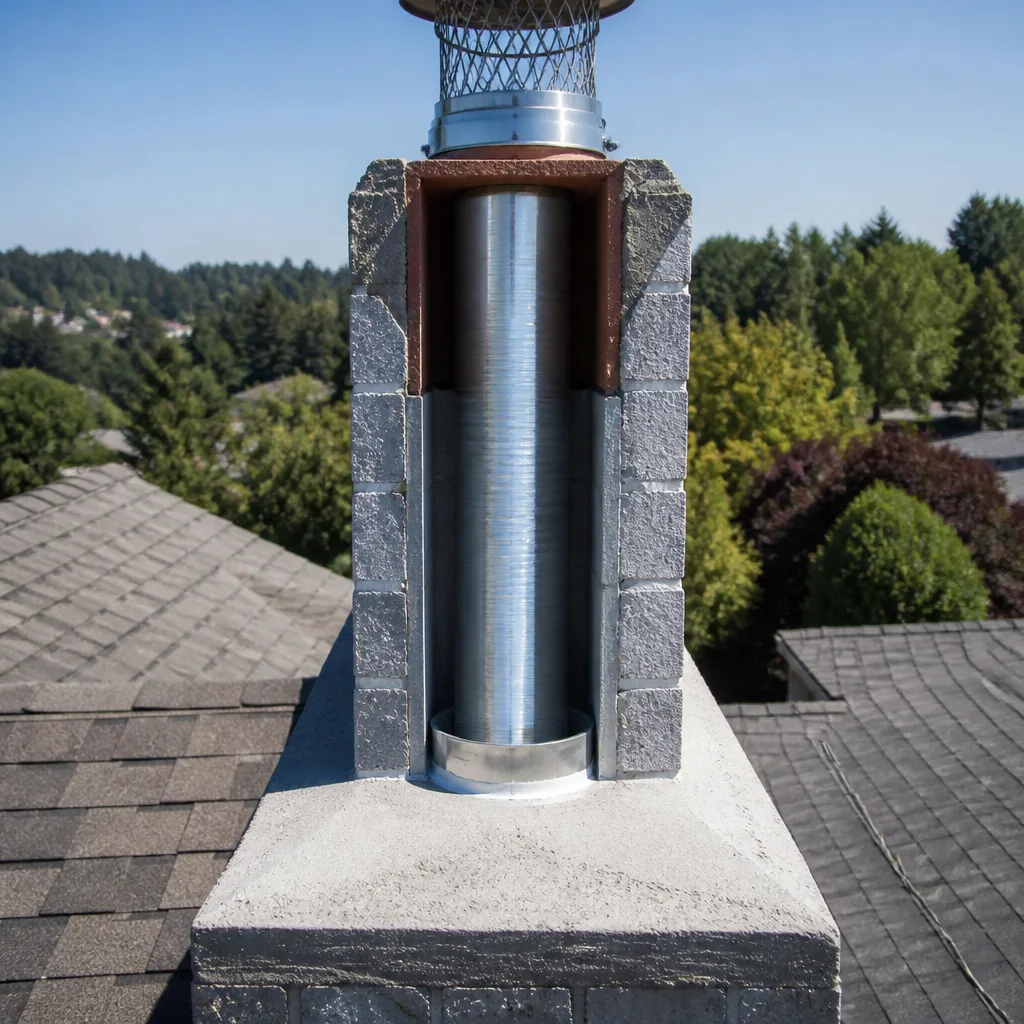
A stainless steel liner creates a continuous, smooth flue surface inside the original masonry. It keeps combustion gases and heat inside a known, tested channel rather than letting them find cracks and joint gaps. It also lets creosote be swept cleanly off a non-porous surface, which reduces buildup between sweeps. DuraFlex and Olympia Chimney liner systems are what we install, and the flue sizing is part of the job: a liner that’s too large cools the exhaust and accelerates creosote deposits, and one that’s too small can’t handle the appliance. Getting the sizing right is a substantial part of the safety result.
A smoke-tested damper seal
A damper that won’t close fully lets heat into the living space during a fire and lets conditioned air out during the rest of the year. A smoke test at the damper confirms what actually gets through. We check the seal on every sweep, and if the seal is compromised, a repair or a new damper solves it. This is one of the simplest ways to slow a fire in its first minute.
Carbon monoxide detector placement
CO detectors belong on every sleeping level, in a hallway outside bedrooms, and inside any room that contains a solid-fuel appliance. Read the manufacturer’s placement instructions and follow them: the wrong placement (near the ceiling in a corner, for example) can delay detection. Test every unit each fall before burning season, and replace the backup batteries even if the unit hasn’t chirped. In attached homes, a CO source at one party wall can affect the unit next door, so the neighbors’ detector placement matters to you.
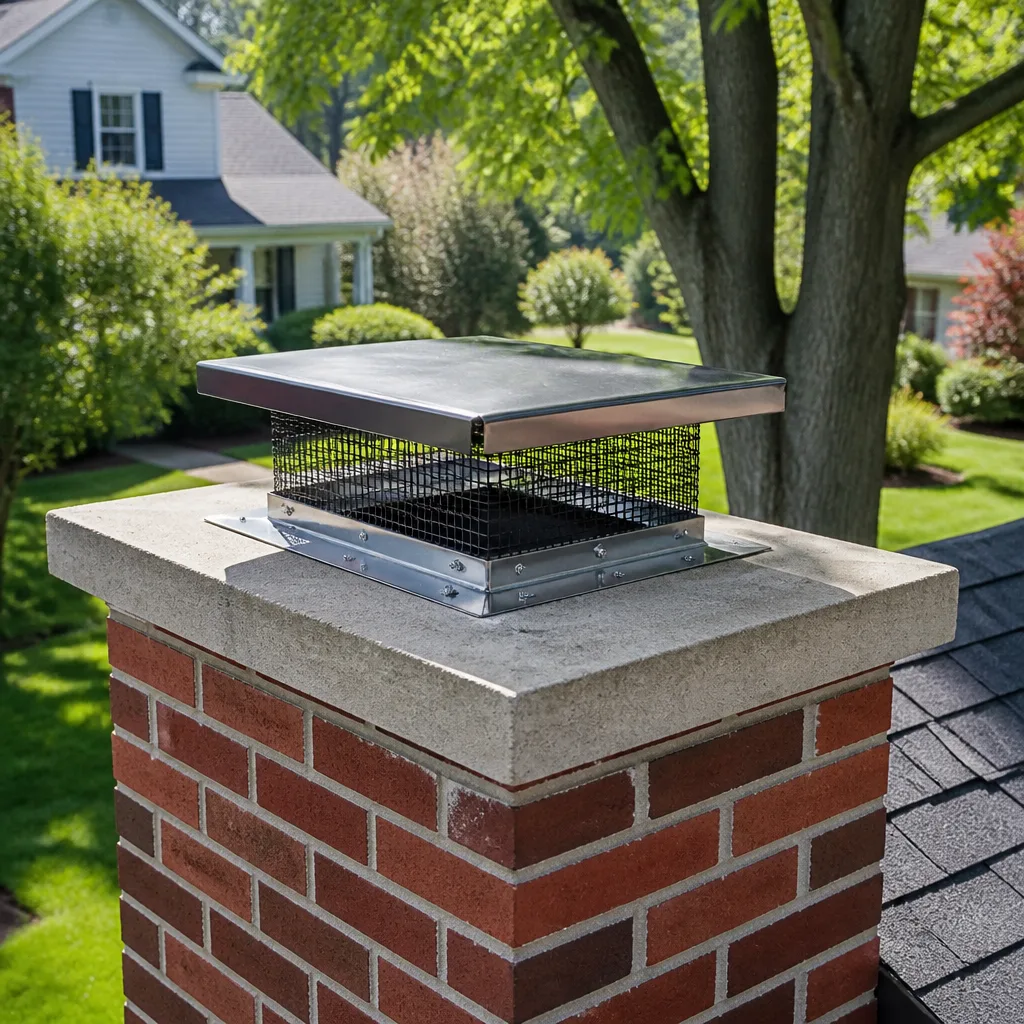
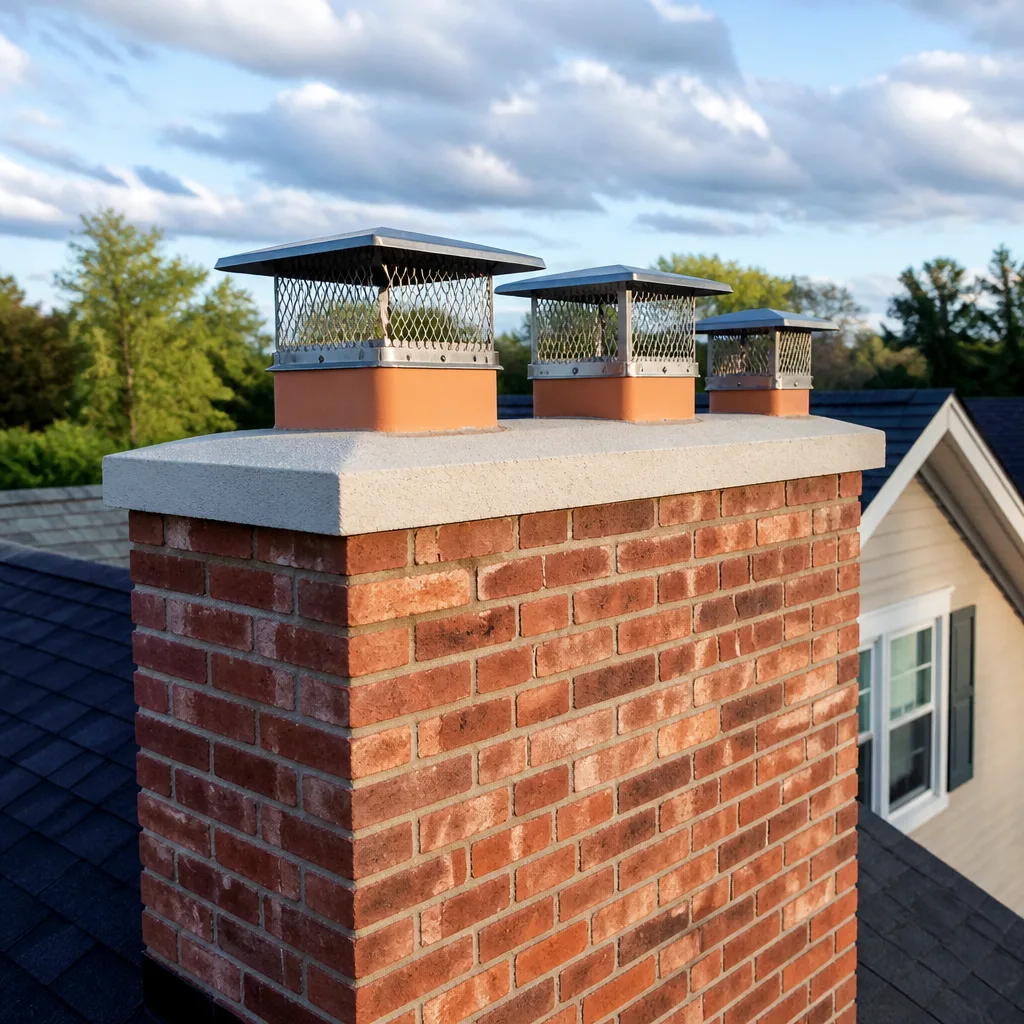
Add a proper cap and spark screen to the list. A correct cap does more than keep out rain and animals; it keeps embers from leaving the chimney. Our chimney cap & crown work includes specifying a cap sized to the flue and installing a stainless screen rated for the heat involved, using Gelco and Famco components where those are the right fit for the chimney.
Creosote, Burning Season, and Why Timing Matters
Nearly every chimney fire begins with creosote, the tar-like residue left behind by wood smoke. It forms in stages: soft soot at first, then a crustier deposit, then glazed creosote that’s hard as glass and ignites at relatively low temperatures. The glazed stage is the dangerous one, and it’s what inspections are looking for beyond what a simple brush can reach. A Chimney Safety Institute of America-certified sweep can tell you from a look at the flue where your buildup sits on that scale.
In Richmond Hill, burning season runs from fall into early spring. The concentration of use makes late summer and early fall the ideal prep window, because:
- You have time to schedule an inspection and any resulting repair before the first cold snap.
- Creosote built up over the previous winter is removed before it has a chance to be lit again.
- Contractors are less booked than in the middle of the season, so a damaged liner can be fully relined before the cold arrives.
The rule of thumb that holds for most Richmond Hill homes is an annual sweep and inspection for solid-fuel appliances. How often actually depends on how much you burn, the wood you burn, and the shape of the flue. We can tell you what your own chimney needs at the sweep rather than handing you a schedule before we’ve seen the flue.
The chimney sweep service includes a documented camera inspection and photo report, so you see what we see. A lot of homeowners bring us in because the previous company recommended thousands of dollars of liner and masonry work they couldn’t verify. We don’t recommend a repair unless the camera evidence is there to support it, and we’ll say plainly when work can safely wait until next season.
Building a Chimney Emergency Plan for Your Home
A plan that lives only in your head is not a plan. In Richmond Hill, where homes share walls, it also has to be a plan that the whole building knows about, or at least the whole household. Here’s what we recommend every household work through before burning season.
- Write down where the exits are. Two exits per room if possible. Post the plan where everyone can see it.
- Agree on a meeting spot outside. Somewhere visible from the street but clear of the building and the chimney side of the house.
- Assign roles. Who gets the children, who brings the phone, who checks on a neighbor, who calls from outside.
- Test CO detectors and change the batteries. Include the ones in any basement or utility area.
- Confirm the damper actually closes. Not just that it moves, but that it seats all the way. A compromised damper costs you the first ten minutes.
- Keep a fire extinguisher rated for the room’s use accessible. Not inside the fireplace room if it means going past the fire to reach it.
- Know your chimney’s history. If you bought the home recently note what the previous owner said about any prior repairs. When a fire happens, that history matters to the inspector.
- Book the annual sweep and inspection in advance. A chimney with a dated inspection report is a chimney you can think clearly about, and it makes any emergency response a matter of following a known system rather than guessing.
If the household has never talked this through, the sweep appointment is a good time to start. Bring the plan and we’ll help you refine it, and if you have an attached home, get the neighbor involved in the conversation. The first ten minutes of a chimney fire don’t leave much room to invent a plan on the spot.
Common Mistakes to Avoid
- Opening the fireplace to look. Adding air to a chimney fire feeds it, and the room is the wrong place to be. Close the damper and get out.
- Waiting to be “sure.” A fire that’s already underway often looks like nothing more than thick smoke. In attached Richmond Hill homes, the conservative call is the right one.
- Assuming the neighbors will call. They may not know your chimney is involved. Call 911 yourself from outside, and if it’s safe, knock on the adjoining door.
- Using the chimney again because it “seems fine.” A fire can crack a liner without a visible sign from the outside. Don’t use the fireplace until a Level 2 inspection with video has cleared it.
- Booking a sweep as if the fire never happened. A standard sweep can’t clear a post-fire chimney. The inspection has to look at what the heat did, not just remove soot.
- Skipping the CO detector in basement or utility rooms. Any room with a solid-fuel appliance needs one, particularly in converted buildings with shared flues.
- Letting the chimney season fill with creosote because “we’re careful.” Care with wood selection helps, but creosote builds up on any solid-fuel flue. An annual sweep catches it before it becomes fuel for the next fire.
Each of these mistakes is preventable, and they’re all things we run into regularly when a chimney comes in after an event. The pattern is almost always the same: a few minutes of understandable reaction at the wrong moment, and a repair bill that couldn’t be avoided.
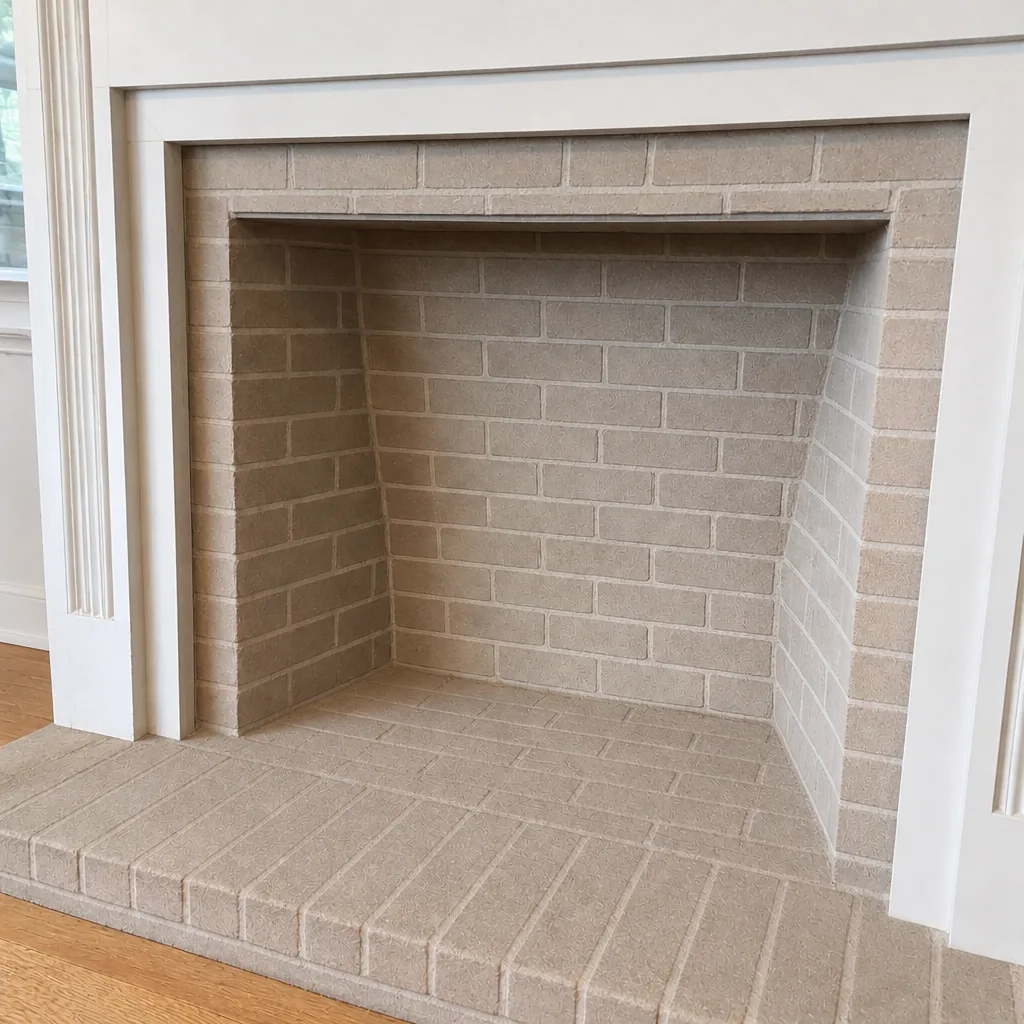
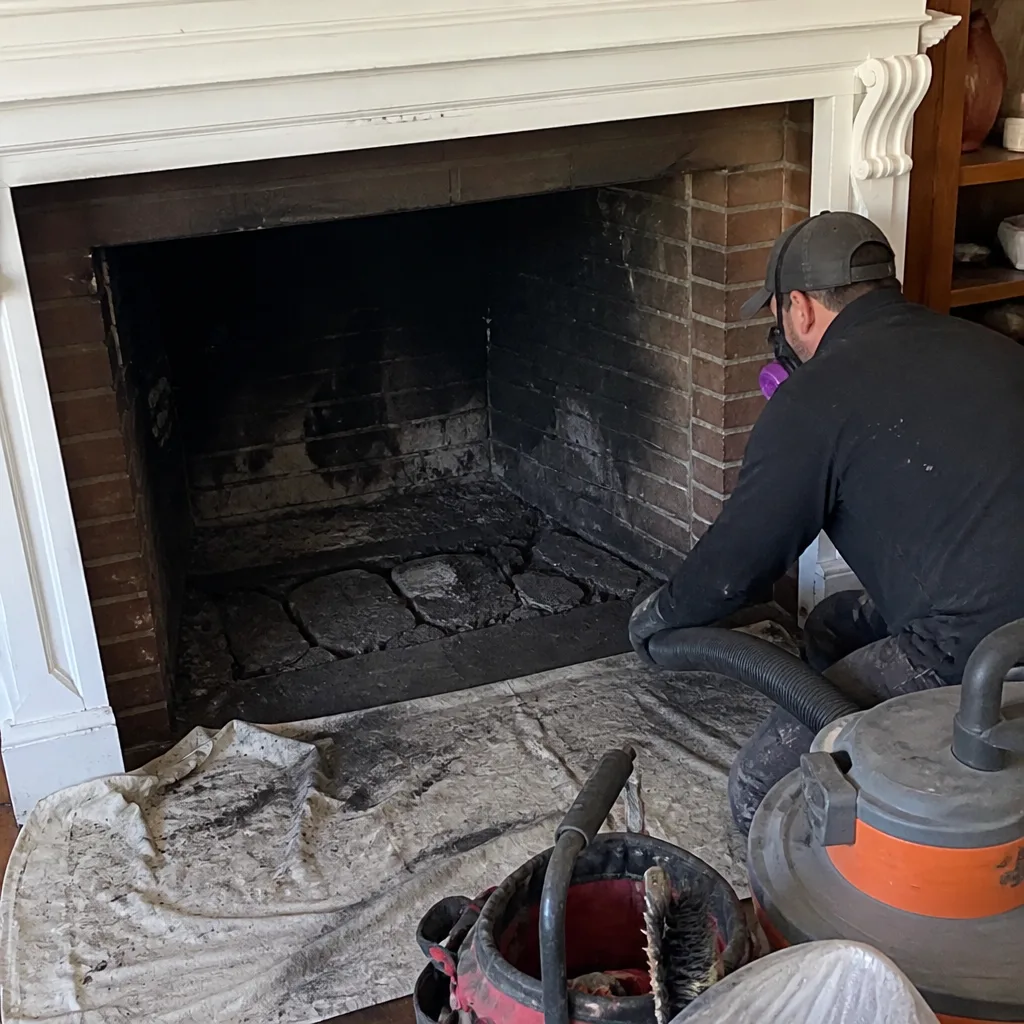
See the difference
 Before
 After
 Before
 After
 Before
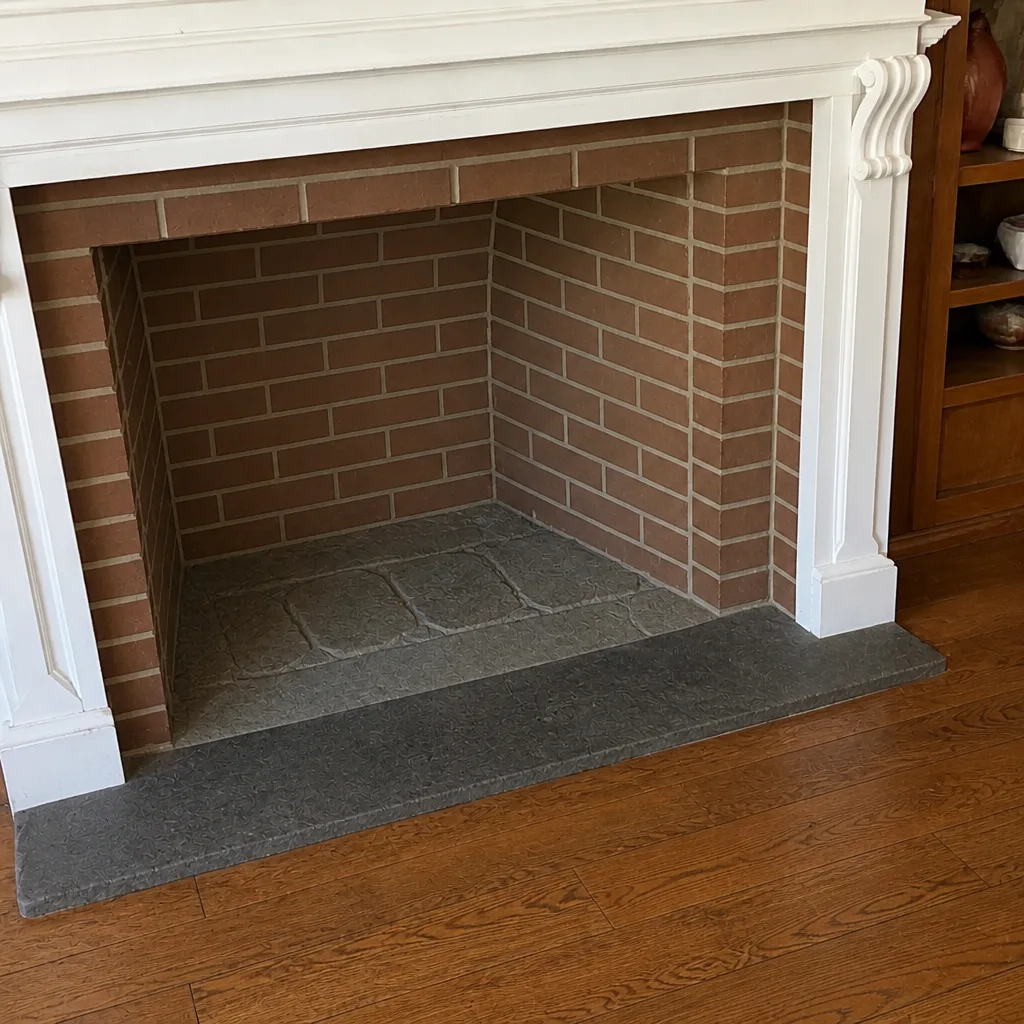 After
When to Call a Professional
Call a professional after any chimney fire, even a small one, and call sooner rather than later. The inspection clears the chimney for use or tells you what needs to happen before it can. Call if you notice warped or discolored metal at the damper or cap, if smoke comes back into the room during a fire, if you hear an unusual roar from the flue, or if it’s simply been more than a year of regular burning without an inspection. In attached Richmond Hill homes we also recommend a professional inspection any time a neighboring unit has had a chimney event, since a shared wall can carry damage you won’t see from your side.
Chimney Sweep Richmond Hill offers free estimates in Richmond Hill. Call (888) 846-8349 to book a sweep, an inspection, or a post-fire assessment. Our technicians have up to 15 years of experience, and we document what we find with a camera inspection and photo report you can review before deciding on any repair. A clean, inspected chimney is the foundation of an emergency plan that actually works.
Frequently Asked Questions
A typical chimney sweep in Richmond Hill is priced per job based on the appliance and the flue, and you’ll get a written estimate before the work is booked, so the final number matches what you agreed to. Sweeps include a camera inspection and photo report, which is what allows a real repair recommendation to be made rather than guessed. Call (888) 846-8349 for an exact quote on your chimney, and we’ll tell you what the inspection will cover before we set the appointment.
No. A brush can’t tell you whether the heat cracked a liner tile or opened a joint, and that’s the information that matters after a fire. A post-fire chimney needs a documented Level 2 inspection with video of the flue, and only after that inspection should the chimney go back into service. Call (888) 846-8349 and we’ll book the inspection and walk you through what we find.
Yes, in Richmond Hill’s attached housing you should have your own chimney inspected after a neighboring chimney fire. A party wall can conduct heat into the adjoining home’s framing, and shared flues in converted buildings can carry damage from one unit to another. A camera inspection of your own flue is the only way to confirm you’re clear. Call (888) 846-8349 to schedule one.
A chimney fire is louder, stronger-smelling, and produces denser smoke at the cap than a normal fire. The distinguishing signs are a roaring or rumbling sound like a freight train, a sharp acrid smell beyond ordinary wood smoke, and visible flames or unusually thick smoke at the top of the chimney. If you see that combination, treat it as a fire and follow the evacuation sequence. Call (888) 846-8349 afterward to book the inspection.
Only an inspection can tell you whether HeatShield ceramic resurfacing will work on your flue. It restores a deteriorated liner in place without demolition, and the candidacy depends on the actual condition of the flue, which the inspector documents on video. If the flue is beyond resurfacing, DuraFlex and Olympia Chimney liners are installed on-site to fit the existing chimney. Either way, the inspection is the deciding step. Call (888) 846-8349 and we’ll start there.
Schedule a sweep and inspection in late summer or early fall, before the first cold snap brings the first fire and before the season’s bookings fill. That gives you time to complete any repair the inspection turns up, including a reline, before you need the fireplace. If it’s already burning season and you haven’t had an inspection, it’s still worth booking. Call (888) 846-8349 to get on the schedule. We answer 24/7, with fast dispatch from 7am to 7pm, Sunday through Friday.
The Bottom Line
Chimney emergency preparedness in Richmond Hill comes down to four things: recognizing an active chimney fire, following the correct first-ten-minutes sequence without second-guessing, understanding that an attached home means the fire department is treating it as a multi-unit event, and never resuming use until a documented Level 2 inspection with video has cleared the chimney. The prevention side is just as important. Annual chimney sweep service, a properly sized stainless steel liner, a smoke-tested damper, and correctly placed CO detectors are what actually reduce your risk before any fire starts. A written plan that the whole household knows is the last piece. Most homeowners don’t have one until they need it. You can change that this season.
If you’re ready to book a sweep or inspection, or you’ve had a chimney event and need an assessment, Chimney Sweep Richmond Hill can help. We handle the full system: sweeping, inspection, chimney cap & crown installation, chimney repair, liner work, and fireplace repair, with professional-trade materials including HeatShield, DuraFlex, Gelco, Olympia Chimney, Famco, and Copperfield. Call (888) 846-8349 for a free estimate. We answer 24/7. Fast dispatch from 7am to 7pm, Sunday through Friday. Closed Saturday.
Written by the team at Chimney Sweep Richmond Hill.