
Last updated November 25, 2026
 Sweep & inspection
 Caps & crowns
 Flue relining
 Masonry repair
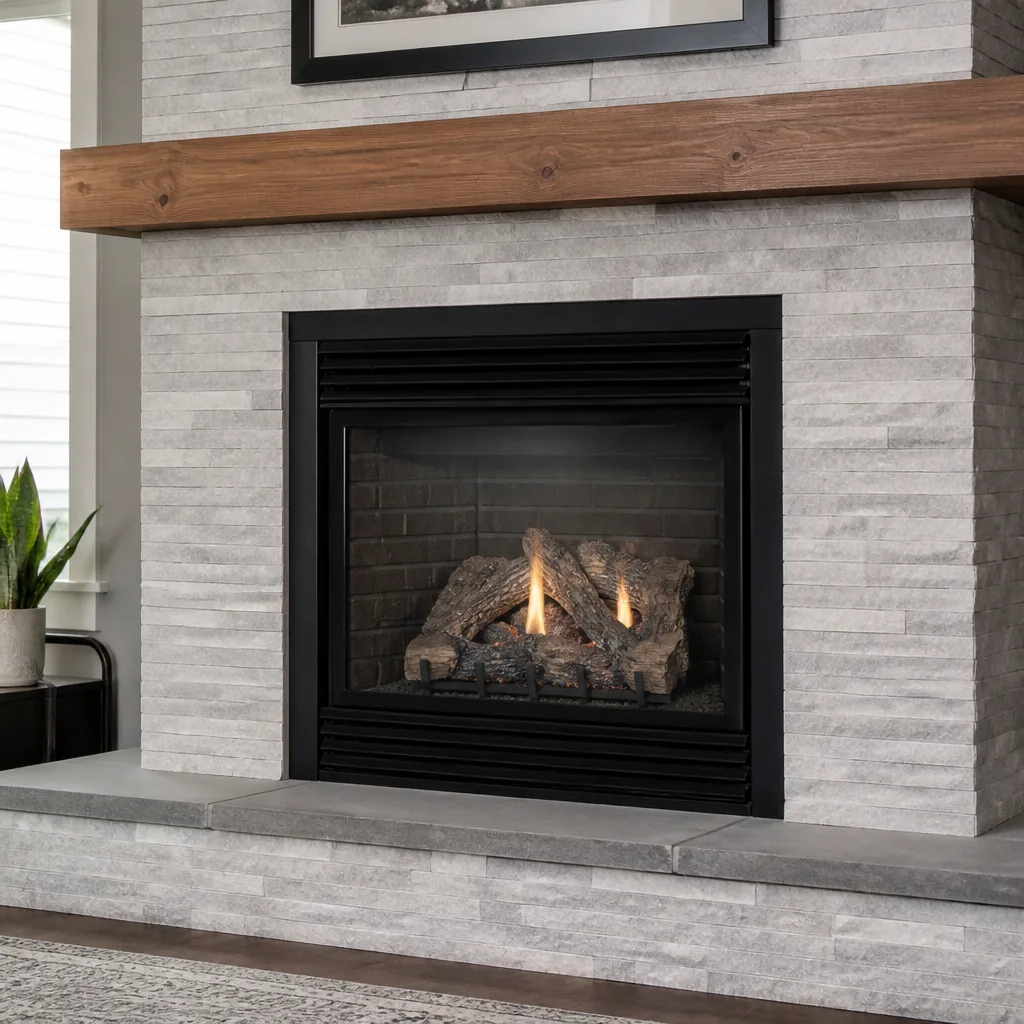 Gas fireplace service
Level 1 sweep and inspection to the NFPA 211 annual standard - flue, crown, cap, and flashing checked and photographed
Chimney sweep logs do not sweep chimneys. They loosen some creosote - which then falls where a brush and vacuum still have to collect it.
Chimney Cleaning Cost Breakdown: The Richmond Hill Homeowner’s Reference for 2026
Chimney cleaning prices in Richmond Hill are not random. Two homeowners on the same block with the same house style can get quotes $120 apart, and both can be honest. The reason is that “chimney cleaning” is used as a catch-all for very different jobs. One quote covers a quick brush and a shop vac. Another covers a full NFPA 211 Level 1 inspection, a documented creosote classification, and a professional’s name attached to the findings. This guide breaks down what actually drives cost at every stage, so you can read a Richmond Hill quote and know what it includes instead of just comparing the bottom line.
Quick Answer
A standard chimney sweep in Richmond Hill typically runs $150 to $280 in 2026, and that range should include a Level 1 inspection. A Level 2 video inspection adds roughly $100 to $250. Creosote removal beyond Class 1, liner repair, and access surcharges for tall flues or two-story attached homes push a job higher, and the written estimate sets the final price. The cheapest quote on the list is almost never the one with the widest scope.
Styles & brands we work with
- Sweep & inspection
- Caps & crowns
- Flue relining
- Masonry repair
- Gas fireplace service
Table of Contents
- What Actually Drives Chimney Sweep Cost in Richmond Hill?
- What Does Each Service Cost? A Line-by-Line Breakdown
- How Do Creosote Classes Change the Price?
- Which Cost Variables Are Legitimate?
- Which Cost Variables Are Not Real?
- How Do You Compare Two Quotes Apples-to-Apples?
- What Does Skipping Annual Cleanings Actually Cost?
- What Makes Richmond Hill Chimneys Different?
What Actually Drives Chimney Sweep Cost in Richmond Hill?
Sweep cost tracks four things: flue length, liner type, creosote class, and access. Each of those adds real time and real equipment to a job, and each shows up in the estimate.
Flue length matters because a chimney serving a two-story Richmond Hill home has a longer run than a single-story bungalow. A taller flue means more brush passes, more vacuum hose laid out, and more time on a ladder or a roof. In neighborhoods with tightly packed semi-attached and attached housing, the roof pitch, the position of adjoining roofs, and the ladder setup all affect how long access takes before any cleaning starts.
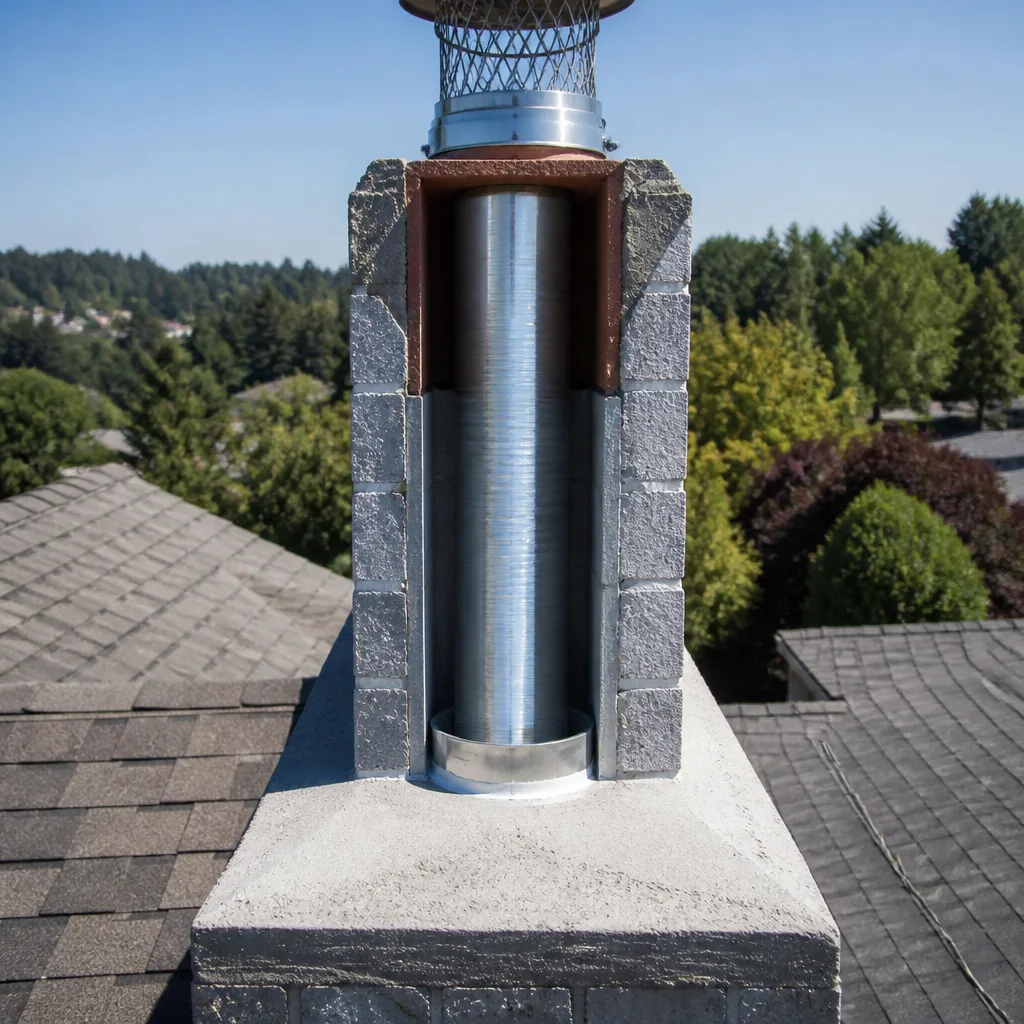
Liner type changes the method. A clay tile liner that’s intact takes a standard poly brush. A stainless flexible liner, the kind we install from DuraFlex, takes a different brush and a lighter touch so the liner doesn’t get scuffed or damaged. An older masonry chimney with an irregular flue takes more care and sometimes a resizing check. We specify the same materials professional chimney engineers recommend because your flue isn’t the place to cut corners.
Creosote class is the biggest single variable. A lightly glazed Class 1 deposit brushes out in a normal sweep. Class 2 and Class 3 deposits need chemical treatment and multiple passes, sometimes on different visits. If your fire has been burning low and slow, or the wood has been wet, the flue will show it, and the classification determines how much work is on the ticket.
Access conditions close the loop. Two-story attached homes, shared party walls, limited exterior space to set up, and steep roof pitch each add a legitimate surcharge. A chimney tech working safely on a Richmond Hill semi needs more setup time than one on a detached home with a clean lawn and a clear run to the roofline.
What Does Each Service Cost? A Line-by-Line Breakdown
Here’s how the main services break down for the Queens market in 2026. These are typical ranges, and the written estimate sets the final number.
| Service | Typical 2026 Range | What’s Covered |
|---|---|---|
| Standard chimney sweep | $150 – $280 | Brush and vacuum of flue, firebox, smoke chamber; Level 1 visual inspection included |
| Level 1 inspection (standalone) | $75 – $150 | Visual check of accessible chimney and venting, digital notes |
| Level 2 video inspection | $175 – $375 | Camera scan of the full flue interior, video report, liner and joint assessment |
| Class 2 creosote removal (chemical) | $250 – $450 | Chemical application, dwell time, follow-up sweep, reclassification |
| Class 3 creosote removal (glazed) | $400 – $800+ | Aggressive chemical treatment, multi-visit work, often paired with a repair assessment |
| Chimney cap installation | $175 – $400 | Stainless or copper cap, sizing to your flue, secure mounting |
| Crown repair | $350 – $750 | Sealing or rebuilding the masonry crown to stop water entry |
| Liner resurfacing (HeatShield-style) | $1,200 – $2,800 | Ceramic liner restoration for cracked or pitted clay flues, no full demolition |
| Stainless liner installation | $2,200 – $4,500+ | DuraFlex flexible liner, correct flue sizing, appliance connection |
The two entry-level numbers are the ones to look at most carefully. A “Level 1 inspection included” on a standard sweep quote is a real scope item, not marketing. If a quote offers a $99 sweep with no inspection, ask what the inspection costs separately. That’s often where the $99 turns back into $270.
When a repair is recommended, it should be backed by evidence. We show you what we found before recommending a repair, documented and specific, so the price is tied to the actual condition of your flue and not to a guess. Our chimney sweep includes that documented assessment, which is why the sweep price is where the honest comparison begins.
How Do Creosote Classes Change the Price?
Creosote is the residue wood smoke leaves on the inside of your flue, and it comes in three classes that require very different removal work. The class is determined by visual and tactile inspection during the sweep, and your technician should tell you the class in writing.
- Class 1 (dusty, soot-like). Brushes off with a standard sweep. No price adder. This is what a well-maintained flue looks like after a season of dry, hot fires.
- Class 2 (crusty, flaky). Sticks to the tile and needs a chemical treatment to soften before brushing. Typically adds $250 to $450 to the job, sometimes across two visits with dwell time between.
- Class 3 (glazed, tar-like). The hardest and most combustible deposit. Needs aggressive chemical treatment over multiple visits, and it usually means the liner or flue has been running cool or wet for a while. Removal alone can run $400 to $800 or more, and it’s often the point where a liner assessment becomes necessary.
The class you’re in depends mostly on fire habits and wood moisture, not on your house. Burning wet wood, damping the fire down for long overnight burns, and a cold exterior chimney all push creosote toward Class 2 and 3. A Richmond Hill home with a masonry chimney on an outside wall cools its flue faster than one with an interior chase, which is one reason the same wood and the same burn habit can produce different creosote loads on two neighboring homes.
One practical note: the class should be documented, not announced. Ask for the classification in the report. A technician who can’t tell you which class you had and how they tested it isn’t giving you a cost you can compare.
Which Cost Variables Are Legitimate?
Some surcharges raise a quote because the job really is bigger. These are the ones to expect as line items, not surprises.
- Flue height above the roofline. Height above the roof adds ladder time and safety setup. A two-story Richmond Hill home with a tall exterior stack takes longer per square foot of chimney than a single-story.
- Two-story attached and semi-attached homes. Limited exterior access, shared party walls, and ladder placement around adjoining roofs each add time. The technician isn’t just cleaning a chimney; they’re setting up around a building they can’t approach from every side.
- Multiple appliances on one flue. When a furnace, water heater, or second appliance shares the flue, the technician has to check spillage and draft for every connected appliance, not just the fireplace. That’s more inspection and more documentation.
- Heavy Class 2 or Class 3 creosote. Chemical treatment, dwell time, and a return visit are real labor. This is the biggest legitimate cost variable on most tickets.
- Irregular or older flue construction. Some older Richmond Hill chimneys have offsets, splayed flue sections, or oversize clay tiles where the standard brush doesn’t clear the whole run. Those take a resizing check and sometimes a flexible liner approach like DuraFlex to run correctly.
Every one of those shows up in a proper written estimate with the specific condition noted. If a quote has a surcharge that isn’t tied to a described condition, ask what it covers.
Which Cost Variables Are Not Real?
Some “flexibility” in pricing is really an upsell mechanic. Knowing the difference keeps you from paying for a scheduling convenience instead of a scope increase.
- The season. Fall is the busy season for chimney work in the Northeast, but a higher price in October than in May for the same job isn’t a market reality. It’s a margin adjustment. A fair quote reflects the work, not the calendar.
- Same-day scheduling. Dispatch timing is a convenience, not added labor. A same-day sweep should price at the same rate as one booked a week out, because the scope didn’t change. We answer 24/7. Fast dispatch from 7am to 7pm, Sunday through Friday.
- “Inspection fees” waived if you book the cleaning. If the inspection fee disappears the moment you commit to a sweep, the inspection wasn’t a real line item; it was a lever. The inspection should be priced on its own, and the sweep should be priced on its own. You can buy either.
- “Free” anything tied to a repair quote. A free inspection that always leads to a $3,000 liner replacement is not free. It’s the first step of a sale. Ask to see the camera footage and the documented findings before any repair is discussed.
Compare the line items across two quotes. If one has a seasonal premium and a waived-fee inspection and the other has neither, the difference in the totals tells you what those two items were actually worth.
How Do You Compare Two Quotes Apples-to-Apples?
To compare fairly, both quotes need the same five things in writing: scope, liner access method, disposal, inspection level, and creosote classification. If any of the five is missing, the comparison is a guess.
- Scope. What exactly gets cleaned: flue, firebox, smoke chamber, damper, and if applicable the appliance connector. A quote that says only “chimney cleaning” isn’t specific enough to compare.
- Liner access method. Top-down, bottom-up, or a both-ends approach, and what ladder or roof access is being used. In attached Richmond Hill homes this determines how long the tech is on-site.
- Disposal. Soot and creosote have to leave your property. A quote that doesn’t mention disposal is quoting a cleanup, not a cleaning.
- Inspection level. Level 1, Level 2 with video, or Level 3 if there’s a known issue. The level is a scope decision, not a marketing add-on.
- Creosote classification. Both quotes should state the class found and how it was determined. A cleaning quote that doesn’t commit to a class is not a quote you can compare, because it can change on the day.
Two more items to ask for: a written report with photos of what was found, and a written scope for any recommended repair. We work inspection-first, meaning every job starts with a documented assessment, so any repair we recommend is tied to something you can see in the report, not to a general suggestion at the end of the visit.
If you want to compare against a repair scope, the chimney repair page covers the common repair categories and what each one involves. That’s a helpful cross-check when a quote includes repairs and you want to know whether the scope makes sense.
What Does Skipping Annual Cleanings Actually Cost?
Skipping a sweep doesn’t save the cost of the sweep. It shifts the cost to repairs, and the shift isn’t linear. Here’s what deferring looks like year by year, based on the categories of damage we see most often in Richmond Hill homes.
One missed annual cleaning. Most homes slide by with no visible change. The creosote load nudges up a class, and the next sweep is likely to land in the Class 2 range: $250 to $450 instead of a standard $150 to $280. Sometimes a cap or crown shows early water wear that costs $175 to $750 to correct. Total exposure is usually a few hundred dollars.
Two missed annual cleanings. Class 2 becomes common, and water entering an unsealed crown or a missing cap starts to work on the masonry. At this stage the more likely repairs are crown work in the $350 to $750 range, cap replacement in the $175 to $400 range, and in worse cases a pitted or cracked clay liner that qualifies for HeatShield ceramic resurfacing rather than a full rebuild. Resurfacing typically runs $1,200 to $2,800 and restores the liner without tearing into the chimney.
Three missed annual cleanings. Class 3 creosote is on the table, and cracked or spalled flue tiles are the more common finding on inspection. That’s when a full reline becomes the honest recommendation. A DuraFlex stainless liner installed to the correct size typically runs $2,200 to $4,500 or more, depending on flue length, appliance connection, and access. It’s also the point where a homeowner should ask whether the masonry itself is sound, because a liner can’t fix a chimney that’s taking on water.
Add it up and the arithmetic is unforgiving. Three deferred sweeps at maybe $600 total in avoided cleaning cost can easily turn into several thousand dollars in repair work that a sweep would never have prevented but that a documented inspection would have caught early enough to fix in stages.
The other cost of deferral is harder to price. Creosote buildup is the fuel that chimney fires burn, and a blocked or compromised flue is a carbon monoxide path back into the house. Those are the reasons the annual sweep matters, not the $150. Safety is why the inspection happens, and the inspection is the thing that turns a sweep into a maintenance record.
What Makes Richmond Hill Chimneys Different?
Richmond Hill’s housing stock is a big part of why chimney cleaning costs vary here more than in a newer suburb. A large share of the housing is attached or semi-attached, which affects access. Much of it is two or three stories, which affects flue length and ladder setup. And many of the masonry chimneys are original to homes built decades ago, so the flue construction is more variable, and the exterior masonry has had more winters of freeze-thaw cycles.
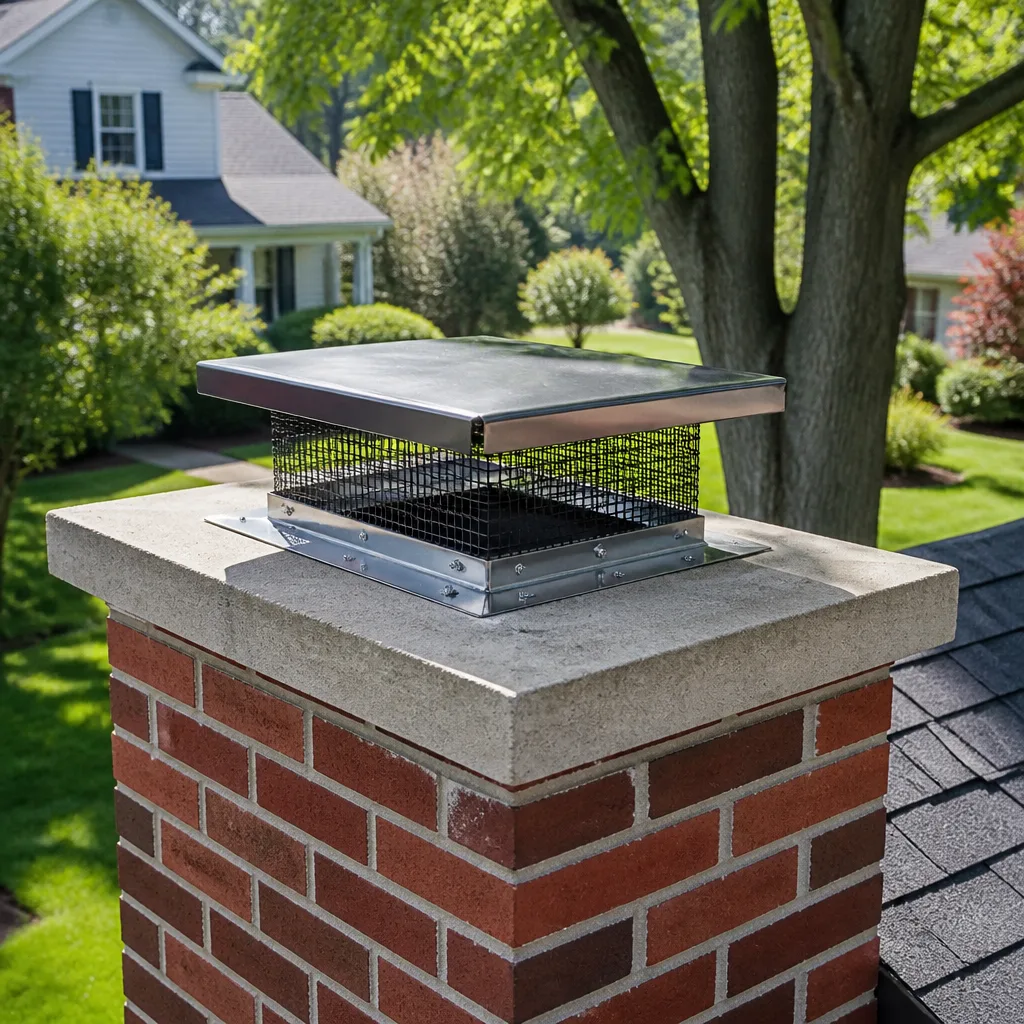
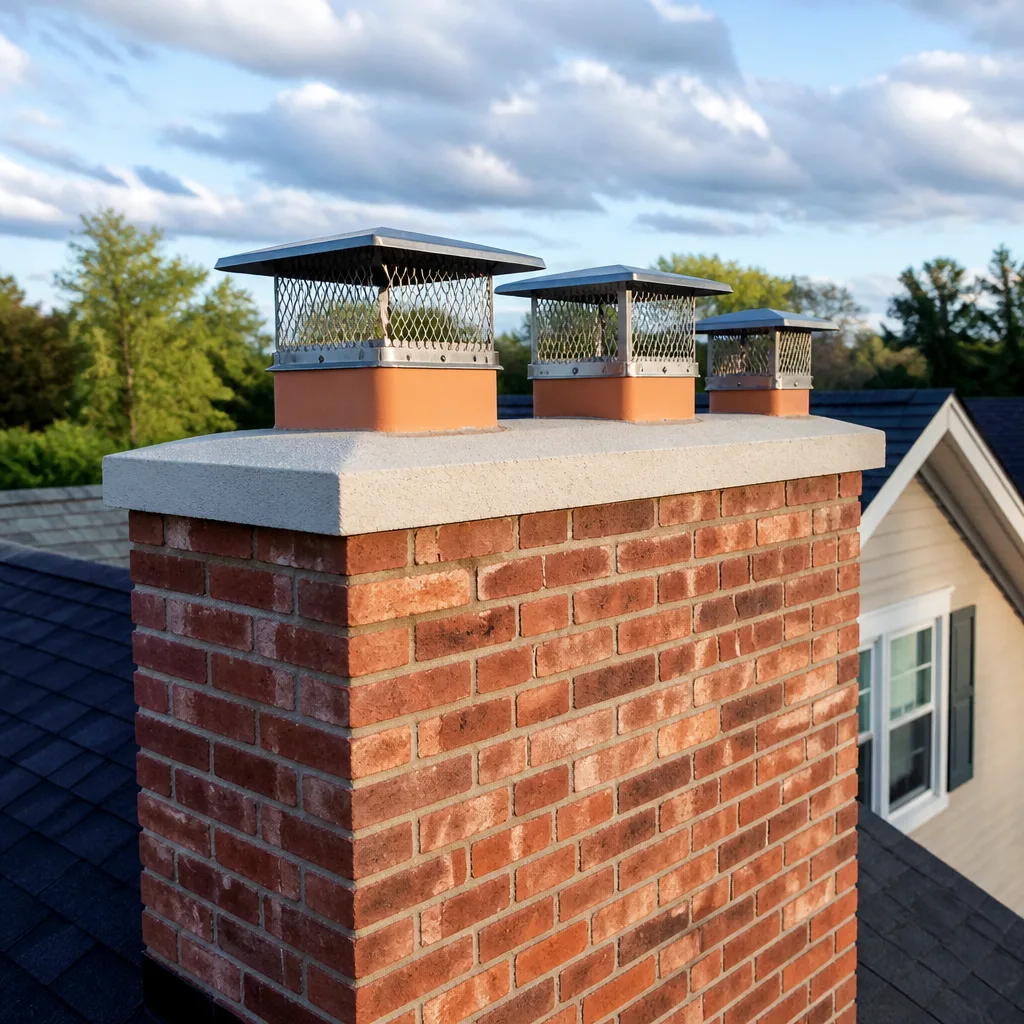
Freeze-thaw is the local climate fact that matters most for chimney work in Richmond Hill. Water gets into masonry, freezes, expands, and works the mortar and the crown loose. A crown that looks fine in October can be spalled by March. That’s why we look at the crown and cap on every job, not just the flue interior. A missing cap is the most common cause of the water damage we see. If you haven’t had a chimney cap & crown checked in a few seasons, it’s worth looking at during the sweep instead of waiting for a leak.
The wood-burning stock matters too. Richmond Hill has a lot of wood-burning fireplaces still in regular use, and a share of homes with older gas fireplace inserts and vented appliances. Gas systems still need annual inspection for venting and draft, even though they don’t produce creosote the way wood does. If your home runs both, the flue assessment covers each appliance path separately.
Where brands fit in: the materials we install matter more on older Richmond Hill chimneys than on newer ones, because the flue dimensions and construction are less predictable. We work with professional-trade brands including DuraFlex for flexible liners, HeatShield for ceramic flue resurfacing, and Copperfield for caps and crowns. These are the materials the trades rely on; they’re not the same as the hardware-store substitutes because they’re specified to the flue, not trimmed on site.
One company handles it all: sweep, inspect, repair, reline. That matters most in Richmond Hill, where a repair often gets found in the middle of a sweep on a tight-access attached home. There’s no second contractor to schedule and no handoff.
Common Mistakes to Avoid
- Choosing the lowest quote without reading the scope. A $99 sweep and a $250 sweep are usually doing different work. The lower one often leaves out the inspection, the report, or the disposal. Read the scope line before you compare the totals.
- Accepting a repair recommendation with no evidence. A technician who says you need a new liner without showing you camera footage or a photo report is asking you to trust a claim you can’t verify. Ask for the documentation first. If it’s not there, don’t authorize the work.
- Paying a “waived inspection fee” only after booking the cleaning. If the fee only disappears when you buy the sweep, the fee was never real. Ask to book the inspection on its own and see the standalone price.
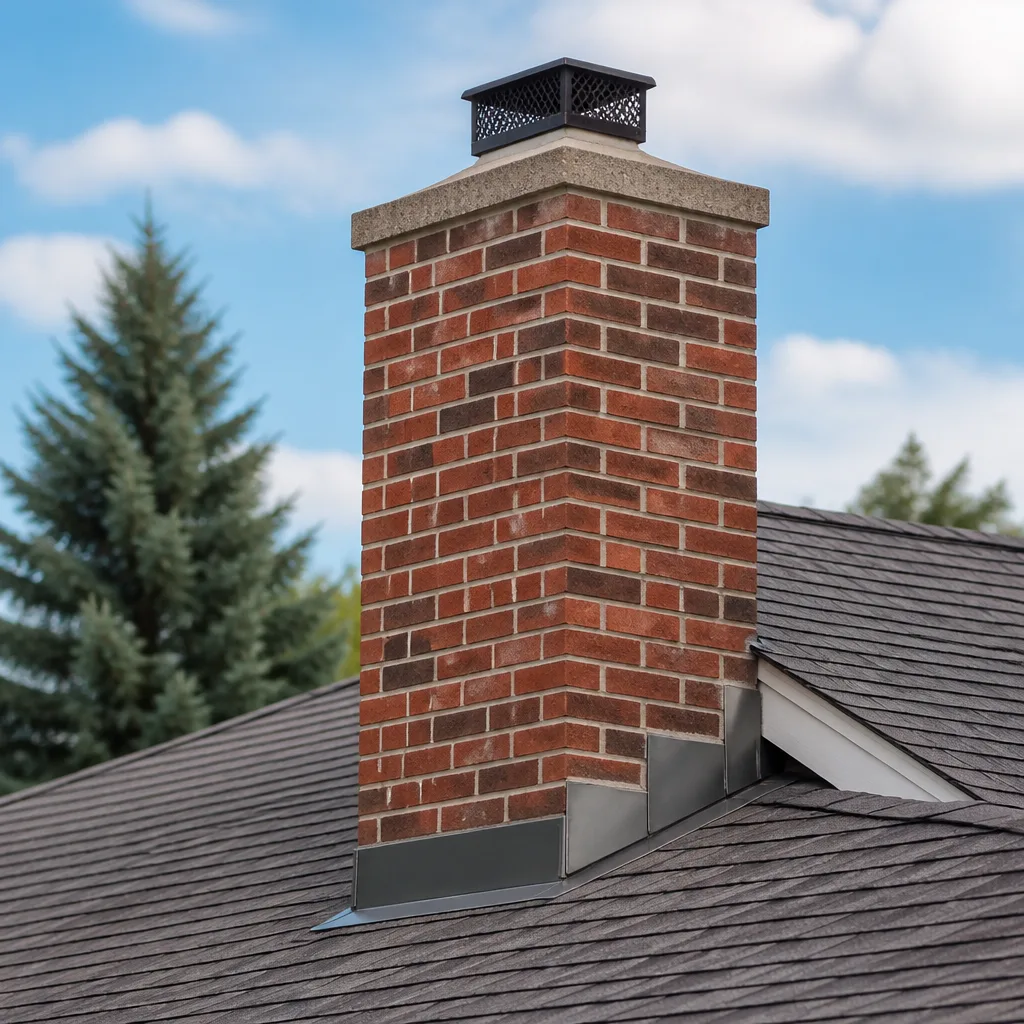
- Skipping the crown and cap check because the flue looked fine. In Richmond Hill’s freeze-thaw winters the crown and cap take the worst of the weather. A clean flue on a failing crown is a leak waiting for the next thaw.
- Burning wet wood to save on firewood. Wet wood pushes creosote toward Class 2 and Class 3, which is the single fastest way to move a $150 sweep into a $400 removal job. Seasoned wood costs less in the end than a chemical treatment.
- Booking a sweep in the fall only. Fall is the busy season, and a busy season tempts some outfits to charge a premium for the same scope. Book in the shoulder months if you can. The scope doesn’t change.
- Treating the sweep as a one-time fix. A sweep is maintenance, not a repair. The report you get back is what tells you whether the next thing is a crown repair, a liner resurfacing, or nothing at all for another year.
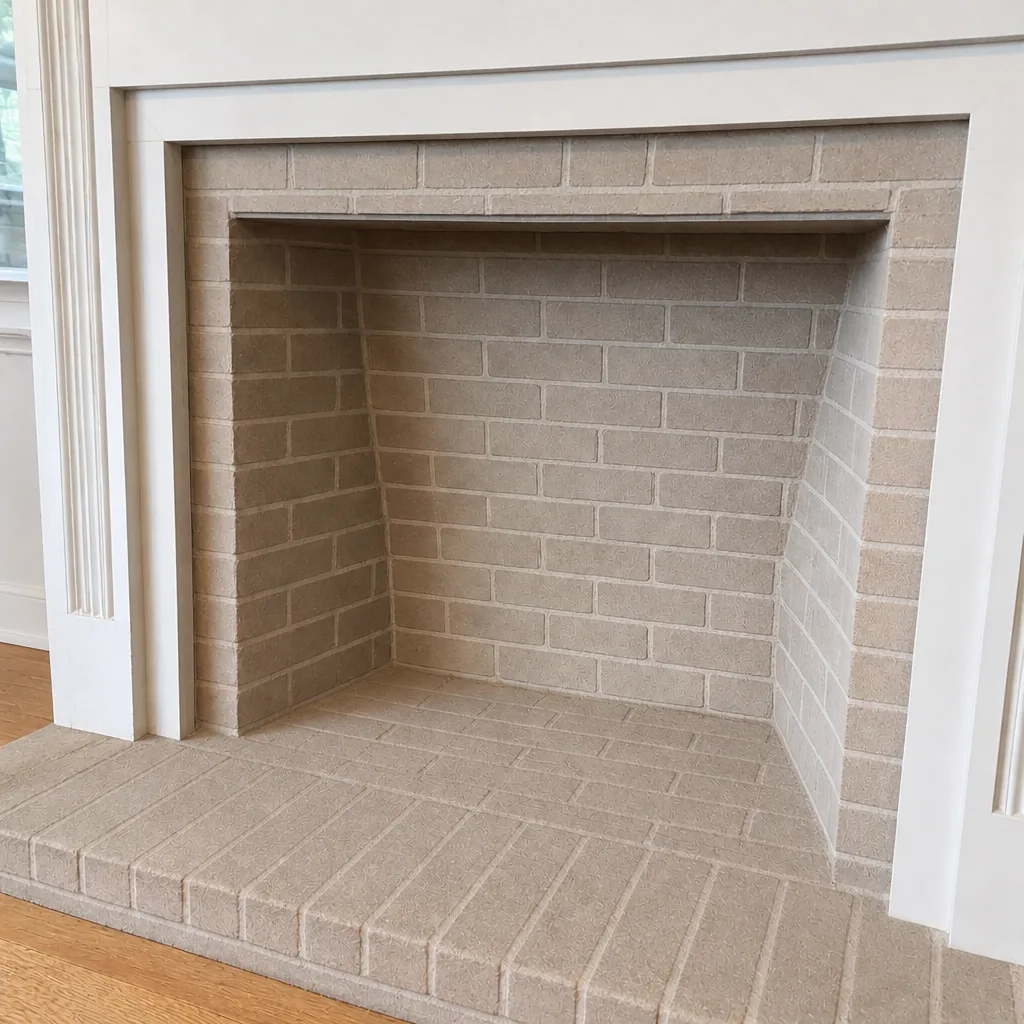
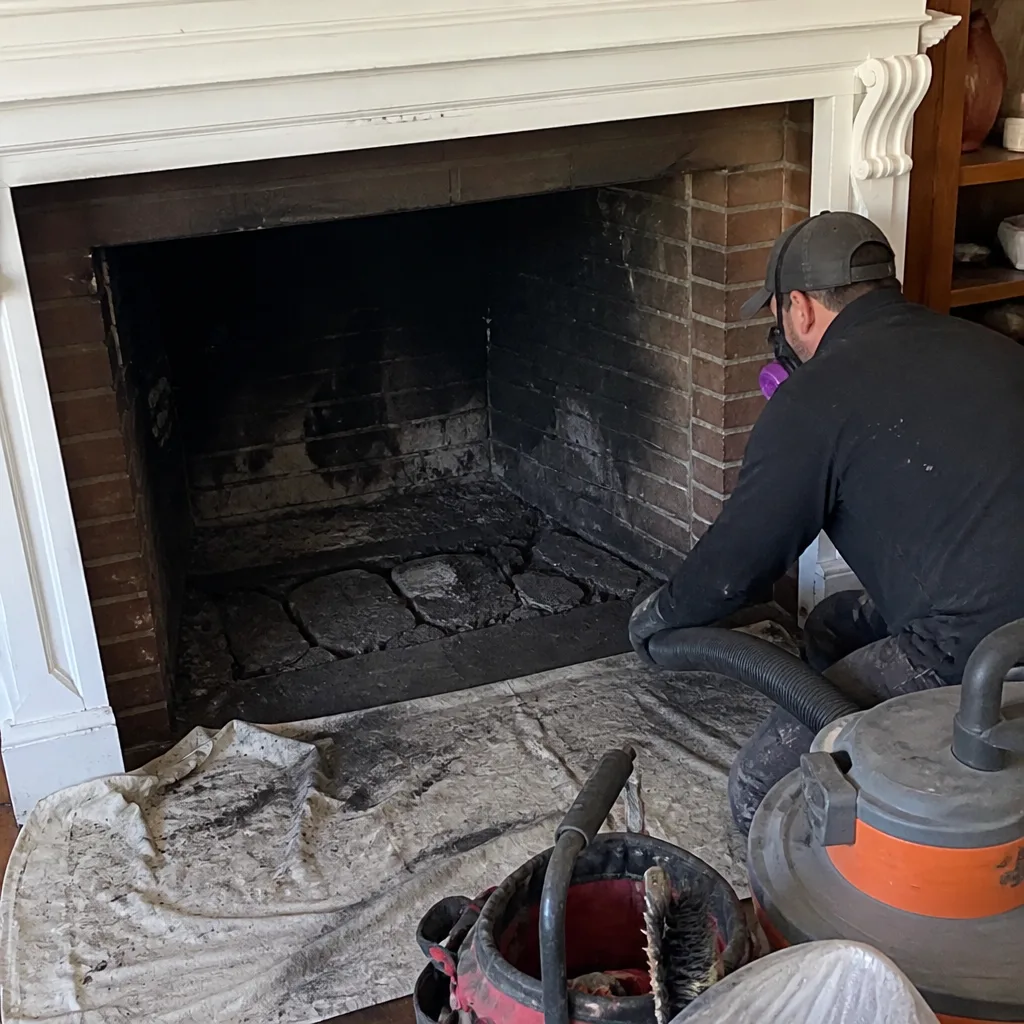
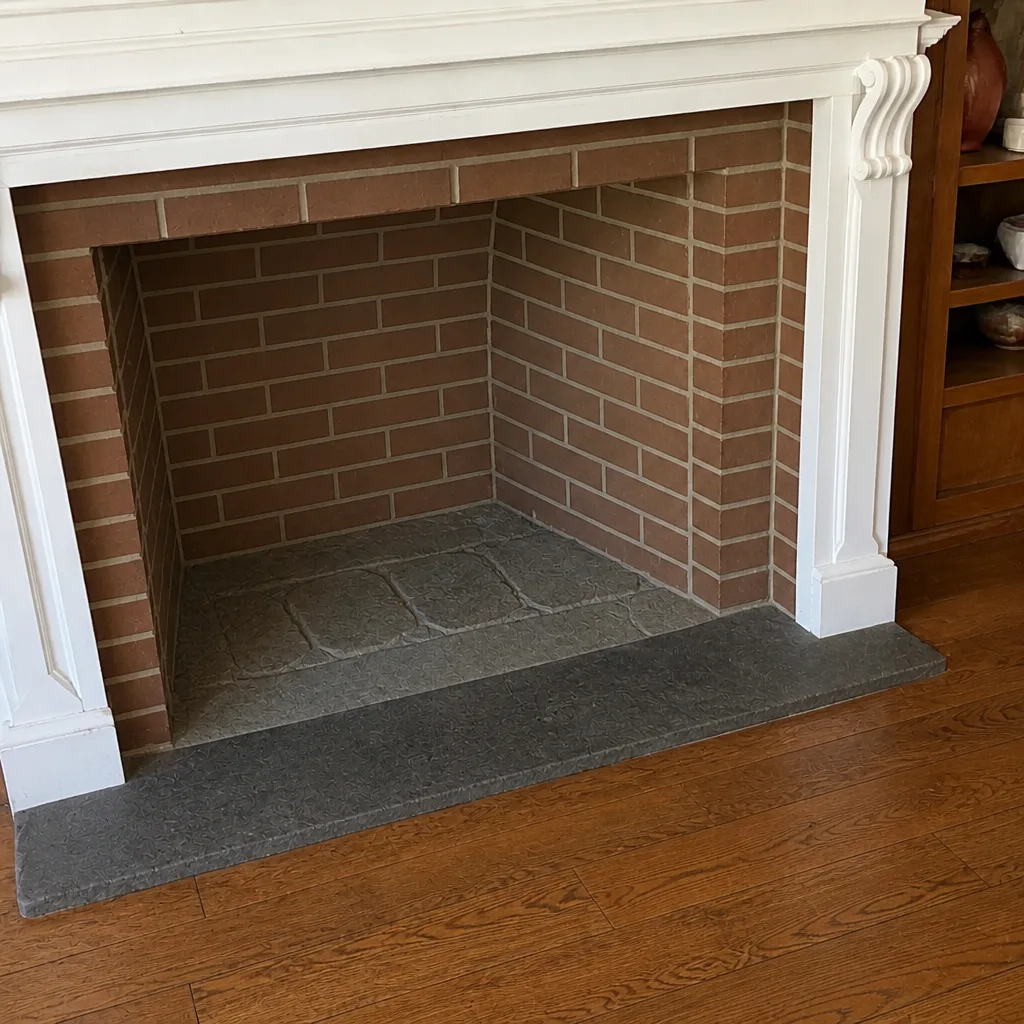
See the difference
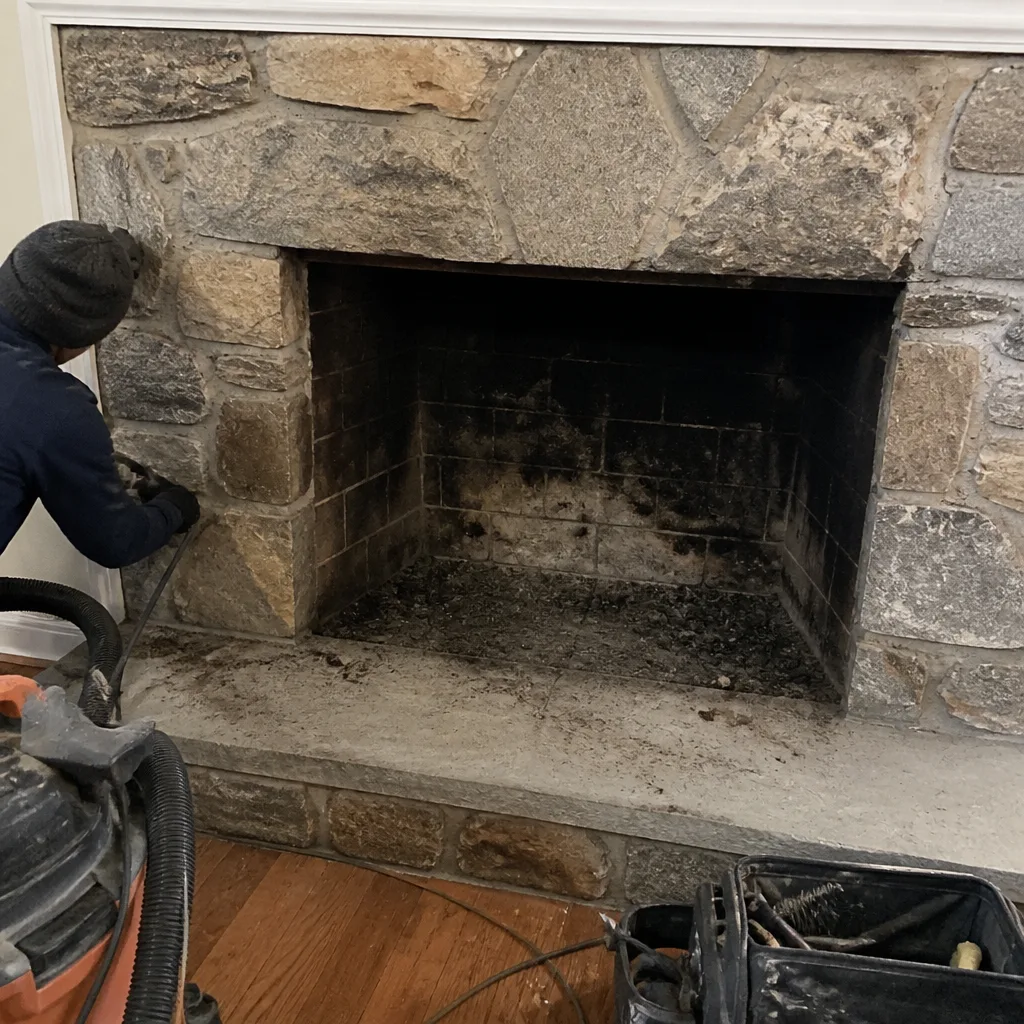 Before
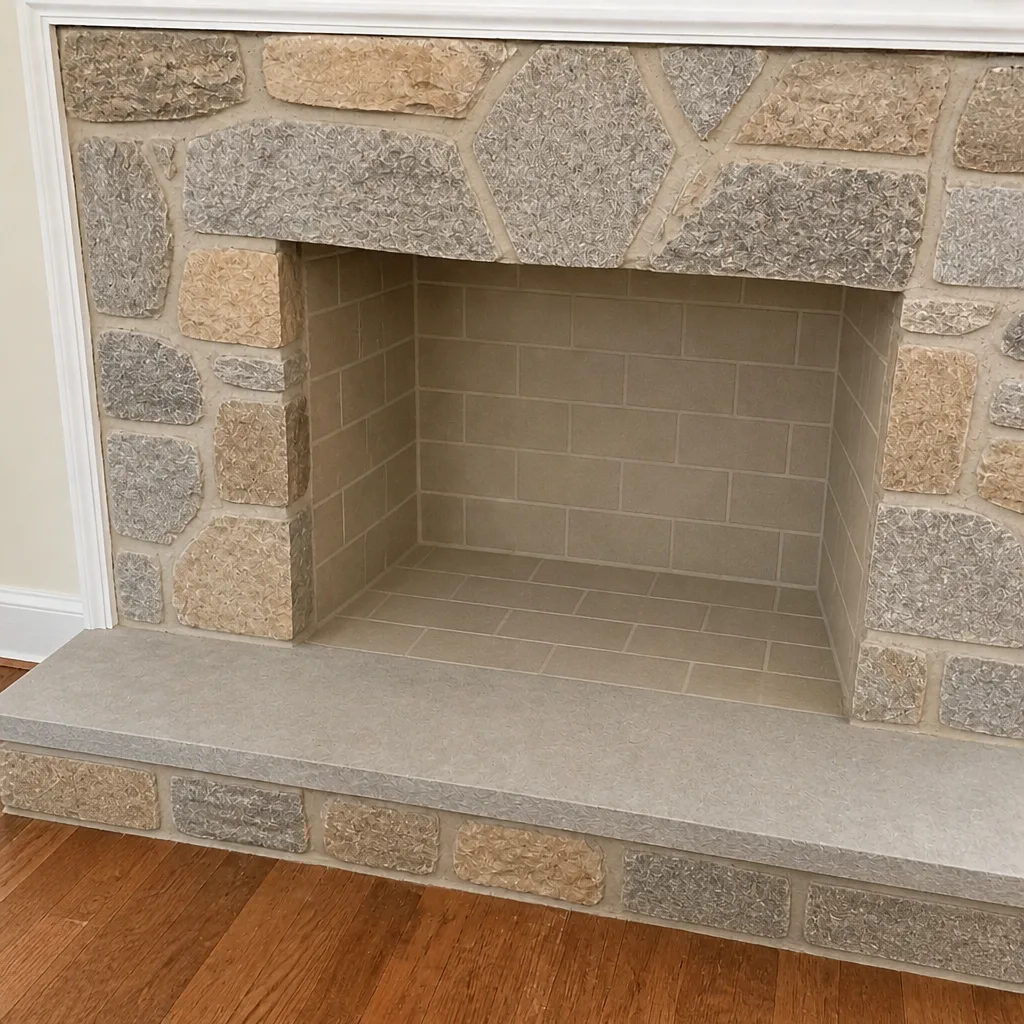 After
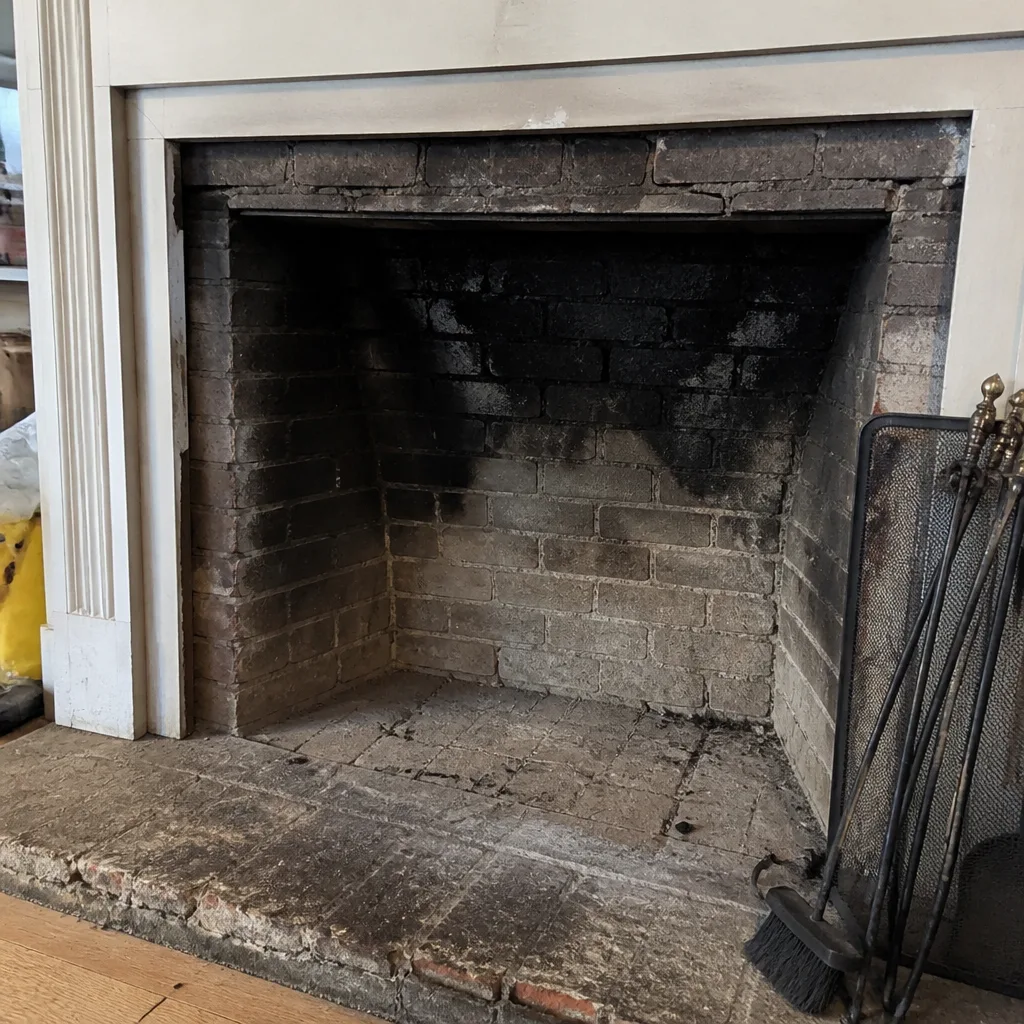 Before
 After
 Before
 After
When to Call a Professional
Call a professional if you haven’t had your chimney swept in the last 12 months of regular burning, if you’ve had a chimney fire (even a small one you put out yourself), if you see cracked or missing flue tiles, if the crown is spalling or the cap is missing, or if you smell smoke in the house when the fireplace isn’t running. Call sooner if your fire has been burning poorly, if there’s visible creosote glazing on the damper, or if a gas appliance shares the flue and you’ve had any draft issue at all.
Some of that work is genuinely dangerous to attempt without training. High masonry, flue interiors, gas appliance connections, and anything that touches the firebox or the liner should go to a trained professional, not a homeowner with a brush on a rope.
Chimney Sweep Richmond Hill offers free estimates in Richmond Hill. Call (888) 846-8349. We answer 24/7. Fast dispatch from 7am to 7pm, Sunday through Friday. The local pro is licensed and insured as their state requires. Read more about our core service on the Chimney Sweep Richmond Hill page, and if you’re comparing repair quotes, the chimney repair page lays out the categories.
Frequently Asked Questions
A standard chimney sweep in Richmond Hill typically runs $150 to $280 in 2026, and that range should include a Level 1 inspection and a written report. Add $100 to $250 if a Level 2 video inspection is needed, and more if creosote beyond Class 1 has to be removed. Call (888) 846-8349 for an exact quote. Estimates are free.
You need a new liner when the existing flue can no longer safely contain the products of combustion, and the proof should be in a camera report you can see for yourself. A cracked, spalled, or pitted clay liner is a real problem, but so is a recommendation that arrives without footage. Ask for the video and the classification. If the flue qualifies for resurfacing instead of full replacement, HeatShield can often restore it without demolition and save a few thousand dollars. Call (888) 846-8349 to book an inspection and see the evidence first.
Once a year for a fireplace in regular use, and more often if you burn wet wood or burn low and slow. The NFPA 211 standard sets inspection intervals, and a Level 1 inspection annually is the baseline most insurers and safety professionals work from. If you’ve had a chimney fire, an appliance change, or a flue blockage, move up to a Level 2 video inspection. Call (888) 846-8349 if you’re not sure which level you need. Estimates are free.
Creosote builds up, moves from Class 1 to Class 2 and eventually Class 3, and repair costs climb faster than the sweep cost you avoided. In Richmond Hill the second risk is water: a failing crown or missing cap that a sweep would have flagged turns into masonry and liner damage over two or three freeze-thaw winters. The cost of deferring is usually several times the cost of the sweep. Call (888) 846-8349 to book a sweep before the next burning season.
The $99 quote usually covers a brush pass and a vacuum, while the $299 quote covers a documented Level 1 inspection, creosote classification, and a written report that puts a professional’s name behind the findings. The difference is scope, not markup. Compare the two on scope, inspection level, and disposal, not on the total alone. Call (888) 846-8349 for a written estimate you can line up against any other quote.
No. Dispatch timing is a convenience, not added labor, and a busy fall calendar doesn’t change the scope of the work. The price is set per job by the written estimate. We answer 24/7. Fast dispatch from 7am to 7pm, Sunday through Friday. Call (888) 846-8349 to book an estimate.
The Bottom Line
Chimney cleaning cost in Richmond Hill varies for real reasons: flue length, liner type, creosote class, and access. A quote that reflects those factors is worth more than one that ignores them, even when it’s higher. Compare quotes on scope, inspection level, disposal, and creosote classification, and ask for the evidence behind any repair recommendation. If a fee disappears the moment you commit to a sweep, it wasn’t a real cost to begin with. Book the sweep, read the report, and let the document tell you what’s next. Call (888) 846-8349 for a free estimate. We answer 24/7. Fast dispatch from 7am to 7pm, Sunday through Friday.
Written by the team at Chimney Sweep Richmond Hill.