
Last updated November 25, 2026
 Sweep & inspection
 Caps & crowns
 Flue relining
 Masonry repair
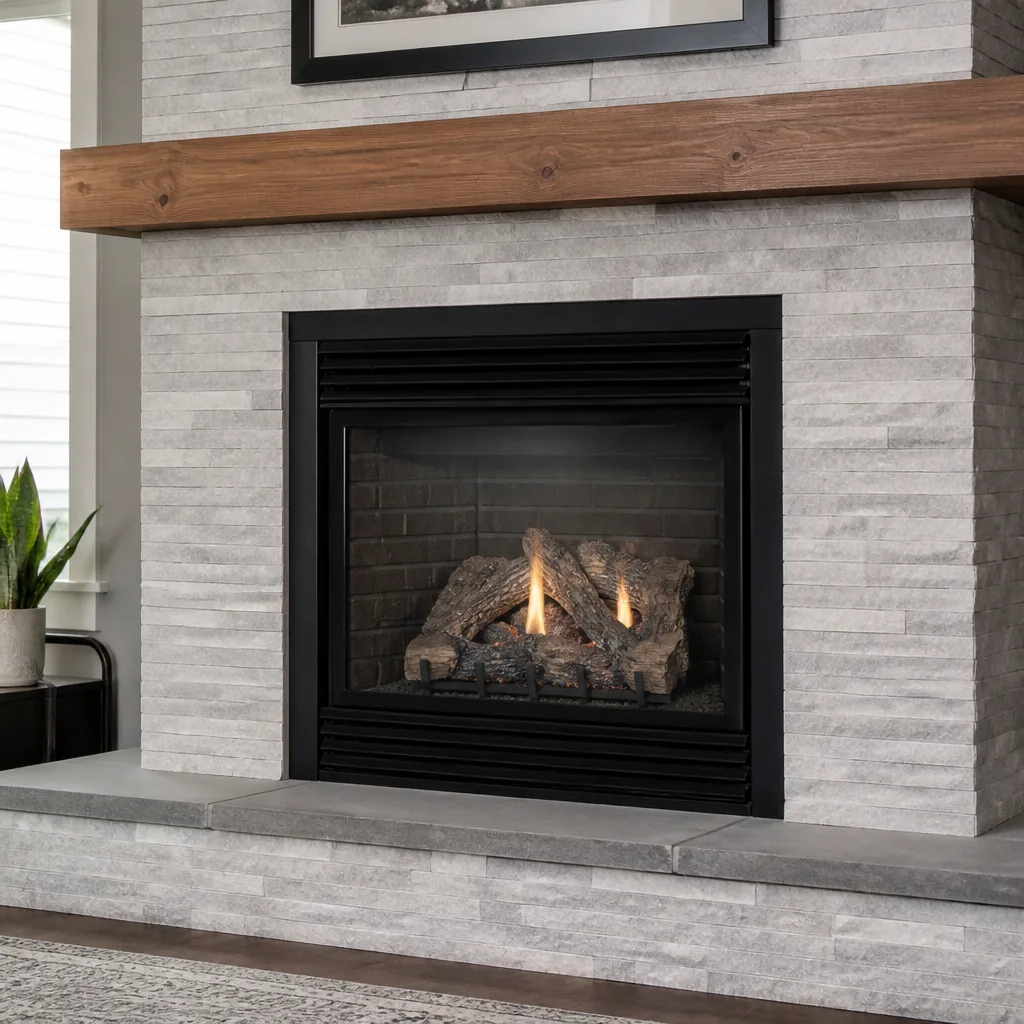 Gas fireplace service
Level 1 sweep and inspection to the NFPA 211 annual standard - flue, crown, cap, and flashing checked and photographed
Chimney sweep logs do not sweep chimneys. They loosen some creosote - which then falls where a brush and vacuum still have to collect it.
Seasonal Chimney Cleaning Care for Richmond Hill: Year-Round Homeowner’s Guide
Most homeowners think about their chimney twice: once in October when they light the first fire, and once in spring when they swear they’ll deal with it later. That schedule leaves nine months of the year completely unmanaged, and those nine months do most of the damage. In Richmond Hill, brick absorbs moisture through summer thunderstorms, freeze-thaw cycles pry crown sealant loose in March, and animals build nests in flues that sit idle through July. Winter is when problems get noticed; it’s rarely when they start. This guide walks through what your chimney actually needs in each season, why the standard “sweep once a year” advice falls short in attached homes and urban blocks, and how to build a year-round routine that protects your system without overpaying for work you don’t need.
Quick Answer
Chimney care in Richmond Hill works best as four seasonal checkpoints, not one annual sweep: an inspection and repair window in spring after freeze-thaw damage, moisture and pest control in summer, a cleaning and cap check in early fall before first burn, and draft monitoring through winter. A proper annual sweep is still the baseline, but scheduling it in fall before the heating season – not at the end of it – keeps hardened creosote from sitting in your flue all summer.
Styles & brands we work with
- Sweep & inspection
- Caps & crowns
- Flue relining
- Masonry repair
- Gas fireplace service
Table of Contents
- Why Seasonal Chimney Care Beats a Single Annual Sweep
- Spring: Post-Freeze Inspection and Repair Window
- Summer: Moisture, Pests, and the Case for a Stainless Cap
- Fall: Why You Should Clean Before First Burn
- Winter: Draft Problems, Dampers, and Running the Fireplace Safely
- How Richmond Hill’s Urban Density Changes Chimney Behavior
- Common Mistakes to Avoid
- When to Call a Professional
Why Seasonal Chimney Care Beats a Single Annual Sweep
A chimney is a masonry and metal assembly exposed to weather 365 days a year. The flue sees fire for maybe four months, but the crown, cap, flashing, and brickwork see rain, snow, sun, and temperature swings the entire calendar. Treating the system as something you “service before winter” ignores what happens to it the other eight months – and in our experience, most of the expensive repairs we see in Richmond Hill trace back to a problem that was visible and cheap to fix months earlier.
Here’s how the seasonal cycle actually works on a typical Richmond Hill home:
- Spring is when freeze-thaw damage surfaces. Water that entered brick or crown joints in fall expands overnight and contracts by afternoon through March and April, prying mortar and sealant loose.
- Summer is when moisture intrusion does its quietest work. Rain hits creosote residue left from the previous winter and forms a mildly acidic mix that works on flue liners and mortar joints.
- Fall is when wildlife, leaf debris, and hardened creosote all converge right before you want to light the first fire.
- Winter is when draft problems, damper failures, and cold-snap backdrafting show up under real load.
Splitting care into these four windows doesn’t mean four service visits a year. It means knowing what to look at when, and booking the actual professional work – a sweep, an inspection, a repair – at the season when that work makes the most sense. A chimney sweep in fall catches what’s accumulated all year; a chimney repair in spring catches what winter broke.
Spring: Post-Freeze Inspection and Repair Window
Spring is the single best time of year to schedule a Level 2 inspection in Richmond Hill. The freeze-thaw cycle that runs from December through March is the most destructive force your chimney faces, and its damage is easiest to spot – and easiest to fix – once the ground has warmed and the last frost has passed. A spring inspection catches problems while there’s still six months of good weather to complete repairs before you want to burn again.
What a spring inspection should look for:
- Spalled brick and mortar. Look for brick faces that have flaked, crumbled, or gone powdery. Spalling means water got inside the brick and froze; that brick is now structurally weaker and needs to be replaced, not patched with sealant.
- Failed crown sealant. The crown is the concrete or mortar cap at the very top of the chimney. Its job is to shed water away from the brick below. When the bond between crown and flue cracks, water runs straight down into the masonry.
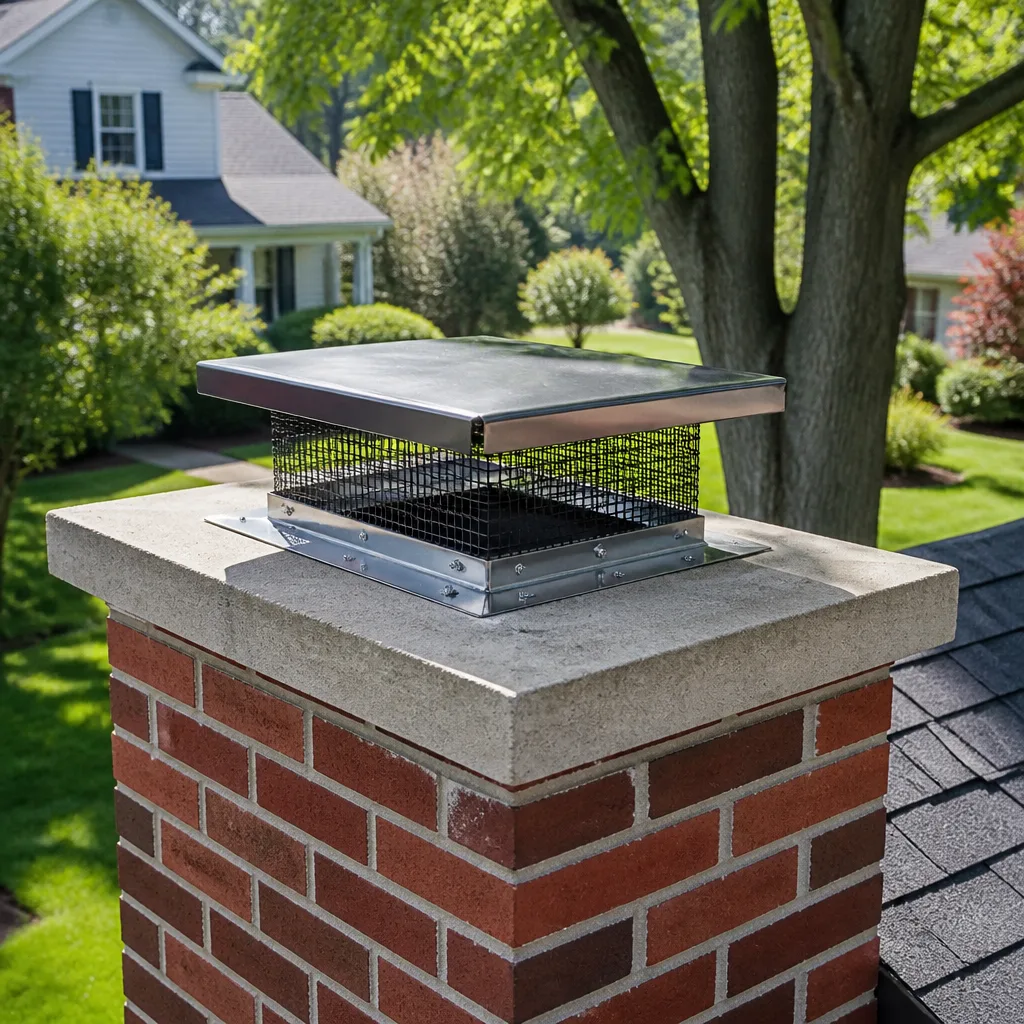
- Displaced or missing chimney cap. A winter of wind and ice can shift a cap out of position. Once it’s off-center, rain blows in and animals have an open door. chimney cap & crown work in spring is far cheaper than the liner damage that follows a missing cap.
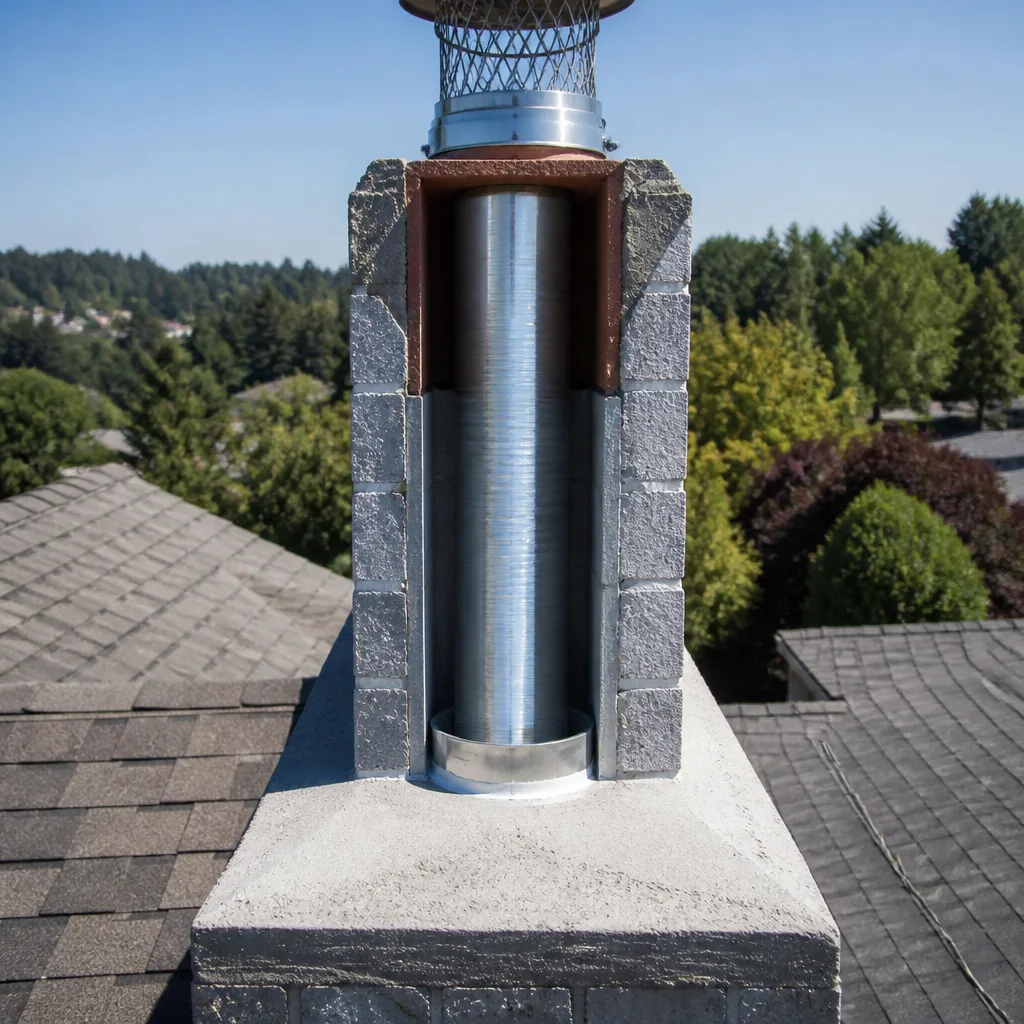
- Cracked or deteriorated flue liner. A camera inspection shows the inside of the flue, where the damage that matters most actually lives. Hairline cracks in a clay liner are common after a hard winter.
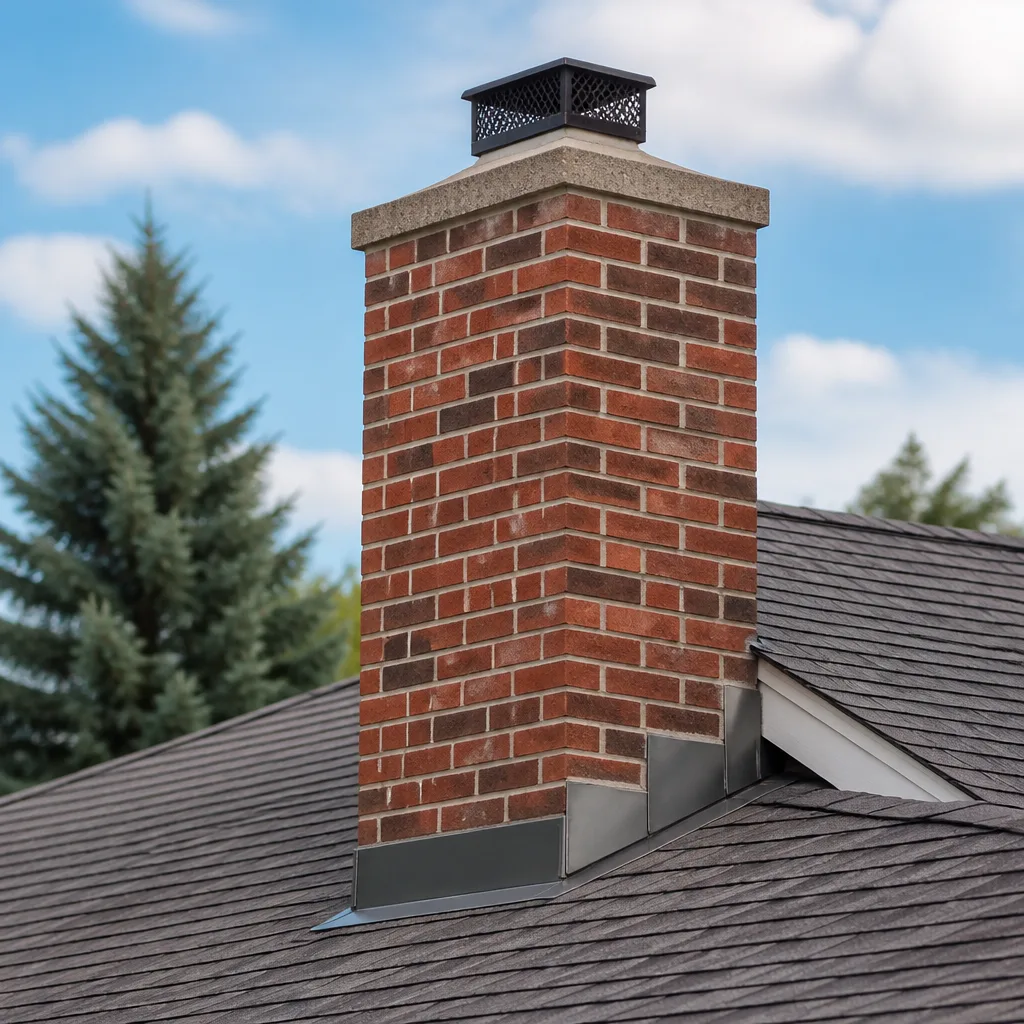
- Damaged flashing at the roofline. The metal flashing that seals the chimney to the roof takes a beating from ice dams and freeze-thaw. Loose flashing lets water into the attic and the masonry both.
Spring is also when repair work is easiest to schedule and least disruptive. You’re not trying to use the fireplace, weather is workable, and there’s no rush. If a spring inspection turns up a cracked liner, we can discuss whether resurfacing with HeatShield makes sense or whether a DuraFlex liner is the right call – and you have months to decide, not days.
What a Level 2 Inspection Actually Includes
A Level 2 inspection goes beyond what you can see from the firebox. It involves a camera run through the flue, a check of accessible portions of the chimney exterior, and a look at the attic and roof connections where they can be reached safely. It’s the inspection you want whenever the chimney has had a change – a new liner, a chimney fire, a change in fuel type, or a property sale. Spring is when we recommend it in Richmond Hill because the damage from the previous winter is fresh and visible.
Summer: Moisture, Pests, and the Case for a Stainless Cap
Summer is when the chimney sits idle and the damage quietly accumulates. Two forces do the work: water and animals. Rain entering the flue is the bigger issue, and its effect depends on what’s already coating the inside of your chimney.
Here’s the mechanism homeowners usually miss. Creosote – the tar-like residue left by wood smoke – is mildly acidic. During the heating season, it coats the flue and mostly stays put because the chimney is warm and dry. In summer, rain that finds its way past a missing cap or a failed crown mixes with that creosote and forms a corrosive slurry that sits against the liner and mortar joints. Over weeks, it degrades both. A flue liner that was fine in April can be pitted and cracked by September, and the only thing that changed was weather.
This is why a stainless steel cap matters more than most homeowners realize. A cap does three jobs:
- It keeps rain out of the flue, which stops the acid-slurry problem above.
- It keeps animals out. Birds, squirrels, and raccoons nest in open flues. Nests are a fire hazard and a blockage.
- It sparks. A proper cap includes a spark arrestor screen that keeps hot embers from landing on the roof.
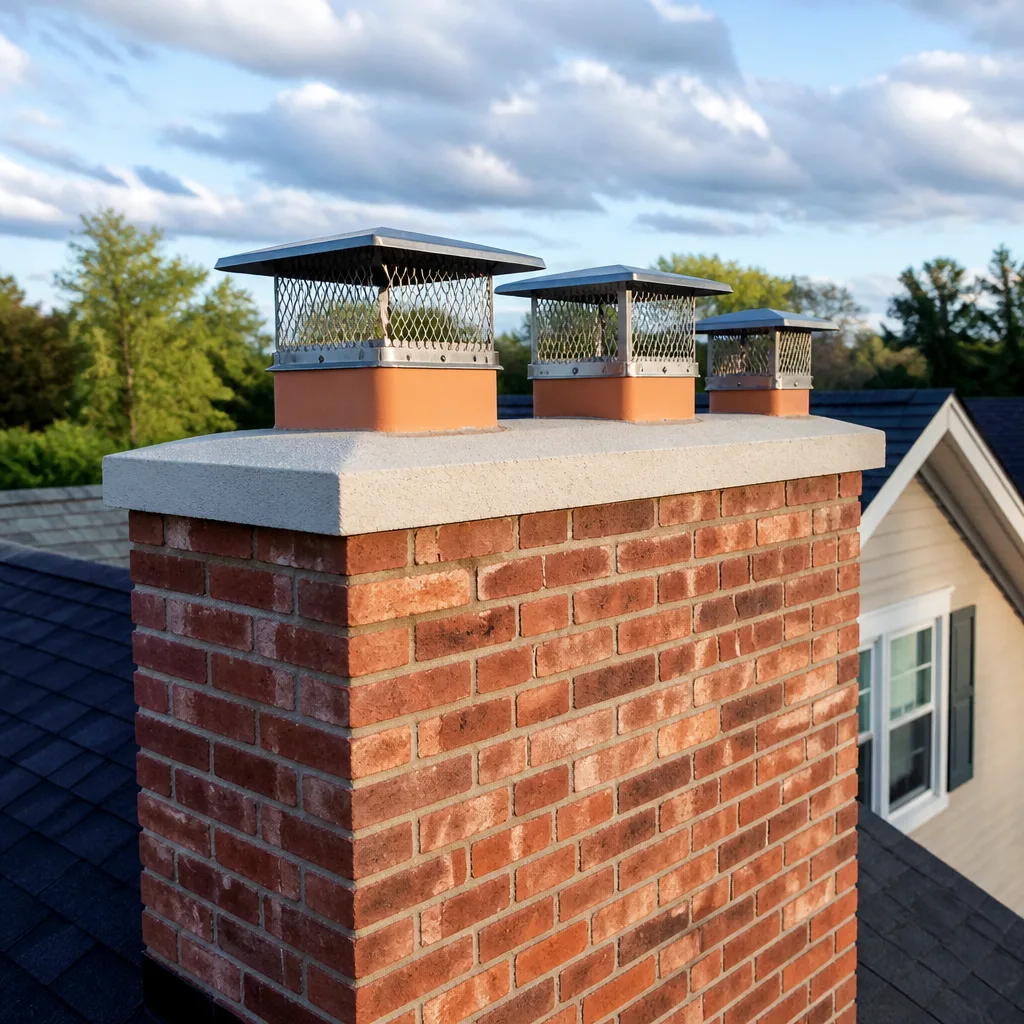
A cheap hardware-store cap rusts through in a few seasons. We specify professional-trade caps – Copperfield and Olympia Chimney are the ones we work with most often – because a cap is the single most exposed piece of metal on your chimney and the one most likely to fail first. If you smell a musty or damp odor coming from the fireplace in summer, that’s the signal: moisture is getting in somewhere, and it’s worth a look before fall.
What to Check in Summer Without Getting on the Roof
- Look up the flue from inside with a flashlight. You’re checking for daylight (good) versus a blocked or wet-looking flue (bad).
- Sniff near the firebox on a humid day. A musty smell means moisture is present.
- Check the firebox floor for rust stains or efflorescence (white powdery deposits), both signs of water intrusion.
- Look at the ceiling near the chimney for water stains. That points to flashing or crown failure.
- Book a camera inspection if any of the above turns up something – it’s the only way to see what the liner actually looks like.
None of this requires climbing a ladder. Anything that involves the roof itself is work for a trained professional, and we’d rather you call us than take that risk.
Fall: Why You Should Clean Before First Burn
Here’s a habit worth changing: most homeowners in Richmond Hill schedule their annual sweep at the end of the season, after the last fire. That’s backwards. Cleaning in fall, before the first burn, does three things an end-of-season sweep can’t.
It catches creosote that hardened over summer. Creosote left in a flue through hot, humid months dries, hardens, and glazes. Glazed creosote – what the trade calls Class 3 – is far harder to remove than fresh creosote, and in bad cases a standard sweep can’t touch it. A fall sweep (or a mid-summer one) catches it before it sets. An end-of-season sweep is cleaning what’s already hard.
It removes summer debris. Leaf litter, bird nests, and squirrel nesting material all accumulate in an open flue through warm months. Lighting a fire with a nest blocking the flue sends smoke – and carbon monoxide – back into the house. A fall sweep removes the blockage before you ever strike a match.
It confirms the system is ready. A fall inspection – even a basic Level 1 look at the firebox, damper, and accessible flue – confirms whether any repair from spring actually held and whether you’re safe to burn. It’s the difference between lighting a fire with confidence and lighting one with a guess.
The fall checklist:
- Book a sweep before the first cold snap, ideally in September or early October. The weeks right before heating season fill up fast.
- Have the sweep inspect the cap and crown as part of the visit – these are the two parts most likely to have failed over summer.
- Check the damper operation while the sweep is there. A damper that won’t open fully or won’t seal is worth addressing now, not in January.
- Confirm you have working carbon monoxide detectors on every floor with a sleeping area. This is a safety baseline independent of chimney condition.
- Stock dry, seasoned firewood. Green or wet wood produces far more creosote, and it’s the biggest controllable factor in how fast your flue fouls.
If you only do one chimney service a year, make it this one. A Chimney Sweep Richmond Hill booked in early fall is the highest-value hour you’ll spend on the system all year.
Winter: Draft Problems, Dampers, and Running the Fireplace Safely
Winter is when the chimney gets tested. Cold snaps strain draft, dampers that were “a little sticky” in fall stop sealing entirely, and backdrafting becomes a real safety issue in attached homes and densely built blocks. Most winter problems are not emergencies – they’re maintenance items that showed up under load – but the ones that involve smoke coming back into the room or a smell of gas need attention fast.
Draft problems fall into two categories. The first is insufficient draft: the fire smolders, smoke drifts into the room, and combustion is weak. Causes run from a cold flue (common on very cold mornings when the flue is the same temperature as the outdoor air) to a blockage or an undersized flue. The second is backdrafting: air pressure outside pushes smoke down the chimney instead of up. In Richmond Hill, backdrafting is more common than in suburban homes because tall buildings and attached structures create pressure differentials. We’ll come back to that in the next section.
The damper problem deserves its own note. If the damper won’t seal fully when closed, the fireplace is essentially a hole in your building envelope all winter – warm air escapes up the flue and cold air comes down. That’s a comfort issue and an energy one. It’s also a safety issue if a partially open damper lets exhaust from a water heater or furnace share the flue path. A damper that won’t seal should be repaired or replaced before the season, not tolerated through it.
When It’s Safe vs. Unsafe to Run the Fireplace During a Repair Window
If your chimney has an active repair in progress – say a liner repair in the works, or a crown being rebuilt – the system is not in a condition to burn. Running a fire during a repair window risks pushing smoke and combustion byproducts into spaces not designed to handle them. The rule we use: the fireplace stays cold until the repair is finished, signed off, and the flue is confirmed clear. No exceptions for “just one fire for guests.” A blocked or partially repaired flue is a carbon monoxide path.
Some repairs are safe to work around – a cap replacement, for example, doesn’t prevent you from using the fireplace before or after the visit. Others – liner work, flue resurfacing, crack repairs at the flue throat – mean no fire until the work is complete. Ask explicitly which category your repair falls in. It’s not a question you should have to guess at from the invoice.
How Richmond Hill’s Urban Density Changes Chimney Behavior
Chimneys in Richmond Hill don’t behave like chimneys on a half-acre suburban lot. That’s not a marketing claim – it’s a specific effect of how the neighborhood is built. Richmond Hill is tight: attached homes, low rooflines against taller buildings, and narrow lots with stacked structures nearby. Those buildings change how air moves over and around the chimney.
The effect is called the urban canyon, and it creates two chimney problems that are more common in Richmond Hill than in open suburban settings:
- Downdraft. Wind moving over a taller adjacent building creates a low-pressure zone on the lee side. If your chimney sits in that zone, the pressure pushes air down the flue rather than drawing it up. The result is smoke in the room on a windy day, even with a clean flue and an open damper.
- Backdrafting. Similar mechanism, but driven by pressure inside the house versus outside. In attached homes, exhaust from a neighboring unit’s system or from your own furnace and water heater can compete for the same air pressure. If the house is depressurized (bathroom fans, kitchen exhaust, a furnace running), combustion gases can reverse direction down the chimney.
The practical fallout is that Richmond Hill chimneys need better wind protection than suburban ones. A cap that works fine in a wide-open lot may not be enough on a block where the wind hits the lee side of a taller building next door. This is where a properly sized cap with a baffle, or a wind-directional cap, does more work than the standard spark arrestor. We specify professional-grade caps – Copperfield and Olympia Chimney are the brands we trust most – because the wrong cap on an urban block is worse than no cap at all.
Backdrafting is a safety issue, not just a comfort one. If you notice smoke curling back into the room on cold windy days, or a smell of exhaust near the fireplace when no fire is lit, that’s the signal to have the system checked. A camera inspection plus a draft test tells you whether the problem is the cap, the flue, or the building’s pressure balance. There’s no way to know without looking.
Common Mistakes to Avoid
We see the same handful of seasonal mistakes in Richmond Hill chimneys, and most are easy to avoid once you know them.
- Scheduling the annual sweep after the season instead of before it. Fall cleaning catches creosote before it hardens and removes summer debris before the first burn. An end-of-season sweep is mopping up damage you could have prevented.
- Skipping the cap because “the flue looks fine.” The cap is the most exposed part of the system. Without one, every summer rain and every nesting season goes right down your flue. A missing cap is one of the most common causes of avoidable liner damage.
- Treating a spring inspection as optional. Freeze-thaw damage is easiest to catch in spring and hardest to catch after you’ve been burning all winter on a cracked flue. A spring Level 2 inspection is the single most useful diagnostic in the year.
- Buying a cap or crown from a hardware store and installing it yourself. Retail caps are thinner gauge and rust faster. Roof work is dangerous, and a poorly sealed crown or improperly flashed cap creates water intrusion worse than the one you were fixing.
- Burning wet or unseasoned wood to “get through the cold snap.” Wet wood produces far more creosote, and it’s the most controllable contributor to a fouled flue. Seasoned firewood is a chimney-care decision, not just a fire quality one.
- Assuming backdraft is a flue problem. In Richmond Hill’s dense blocks, backdraft is often a pressure problem, not a blockage. Replacing a cap with a different design sometimes solves it; sometimes it needs a draft test and a flue-diameter review. Guessing is expensive.
- Running the fireplace during a repair window. If the flue is mid-repair or a liner is being resurfaced, no fire until the work is complete and the flue is confirmed clear. This is a carbon monoxide rule, not a comfort one.
When to Call a Professional
Some chimney tasks are safe for homeowners – looking up the flue with a flashlight, sniffing for musty odors, checking the firebox for water stains. Everything involving the roof, the liner, the crown, or the flue interior needs a trained professional, both because the work is specialized and because the safety consequences of a bad job are real. High-tension components, electrical connections, and any work at height carry genuine risk, and there’s no repair on a chimney worth taking that risk to save a service call.
Call us when you’re ready to book a spring inspection, a fall sweep, a Level 2 camera check, a cap replacement, or a repair you’ve been putting off. Chimney Sweep Richmond Hill offers free estimates in Richmond Hill – call (888) 846-8349. Our technicians have up to 15 years of experience, and we work with the professional-trade brands the trade specifies – DuraFlex, HeatShield, Gelco, Copperfield – because your flue isn’t the place to substitute retail-grade materials. We answer 24/7. Fast dispatch from 7am to 7pm, Sunday through Friday.
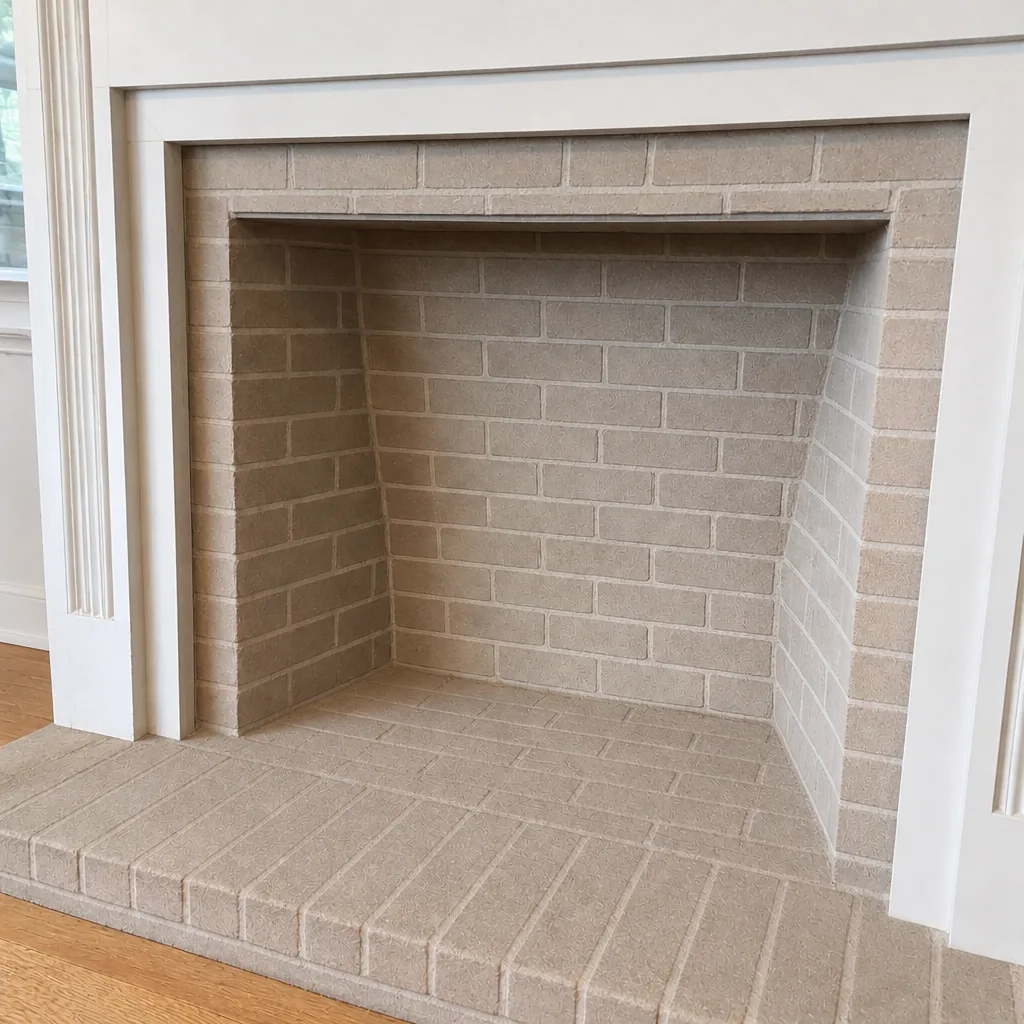
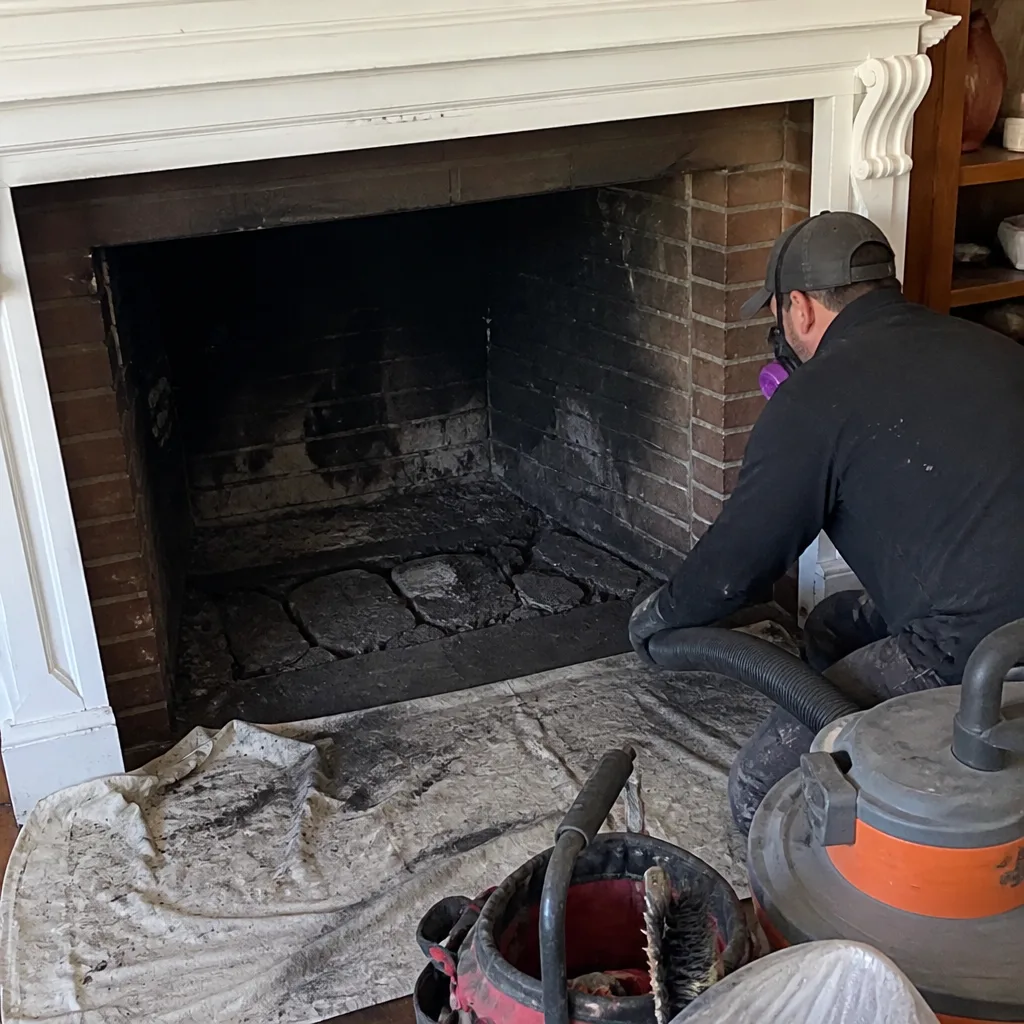
See the difference
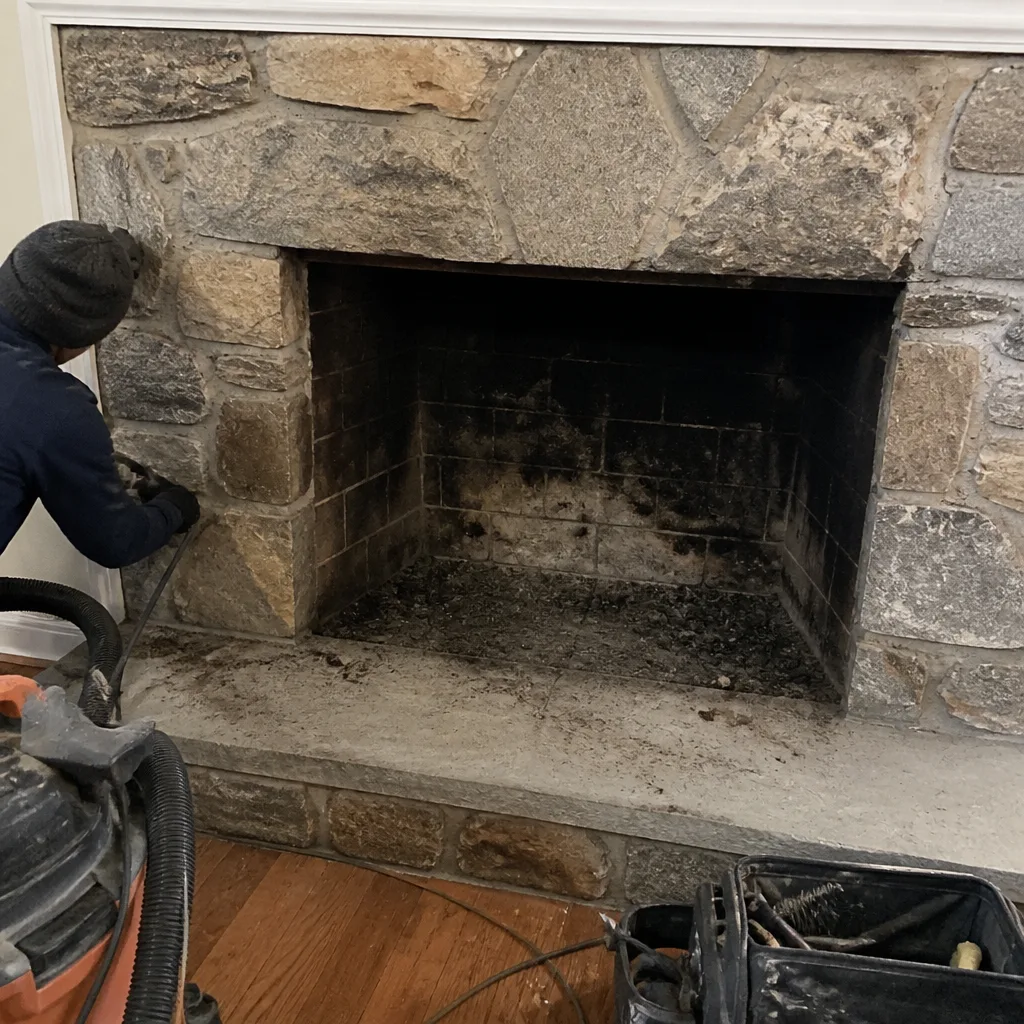 Before
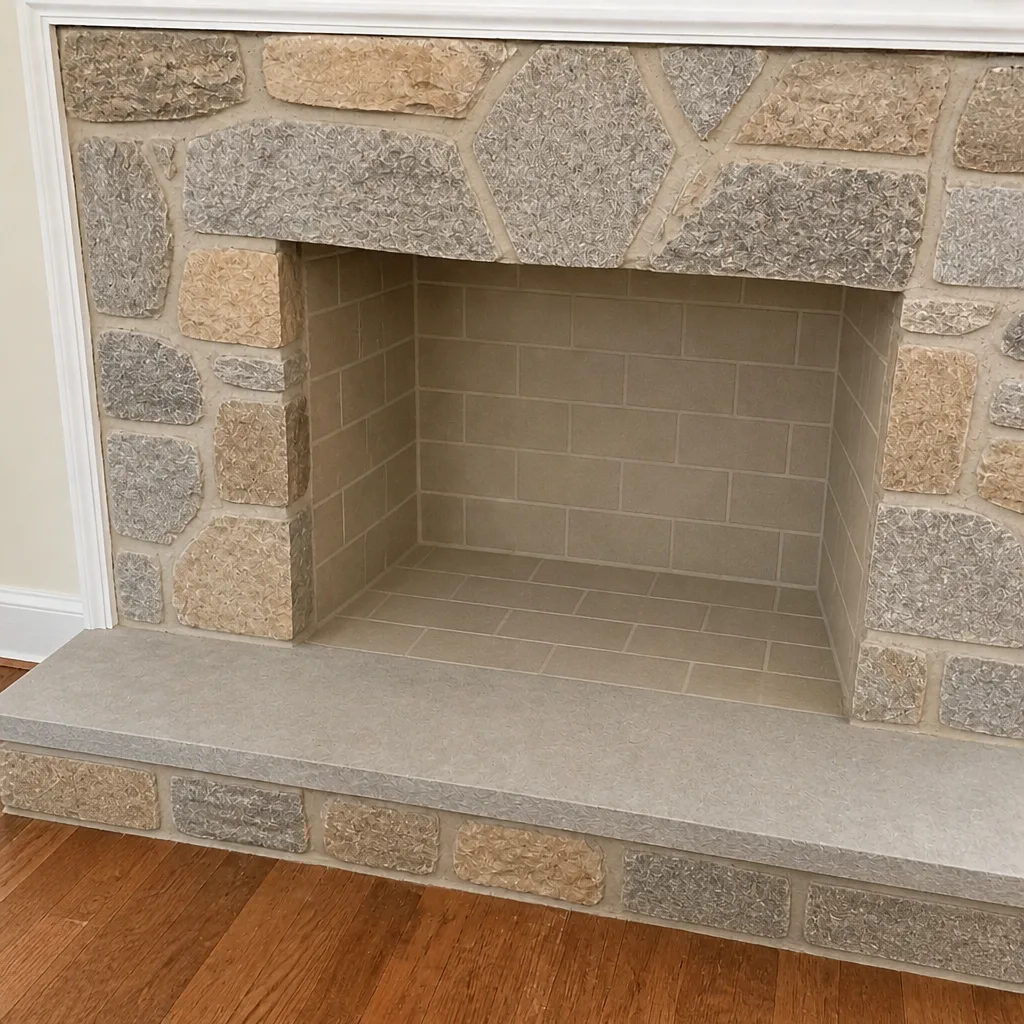 After
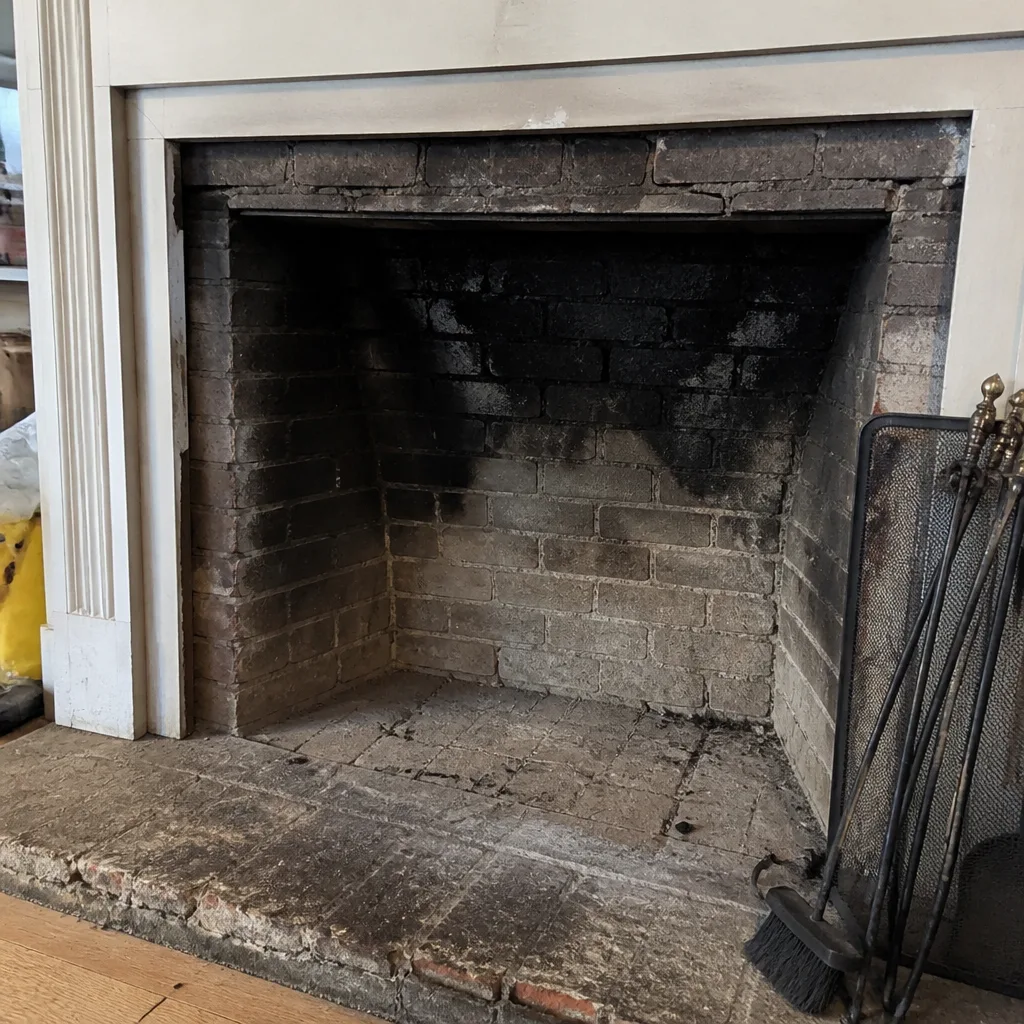 Before
 After
 Before
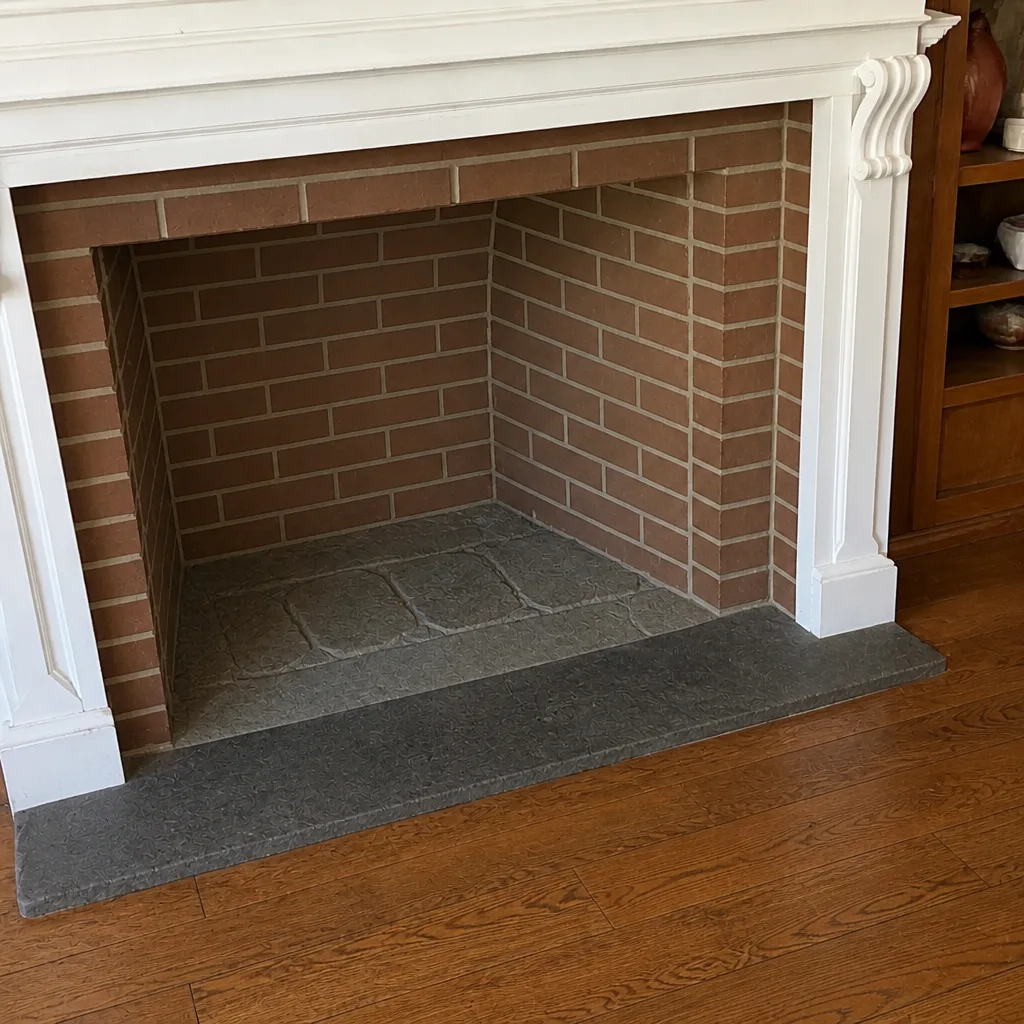 After
Frequently Asked Questions
Once per year for most homes, and more often if you burn frequently or burn wood that isn’t fully seasoned. The industry standard is an annual inspection with a sweep based on what the inspection finds. In Richmond Hill’s older attached homes, we recommend a sweep each fall before first use plus a spring inspection to catch freeze-thaw wear. Call (888) 846-8349 for an exact quote – estimates are free.
Yes. A chimney cap keeps rain out of the flue, which prevents the moisture-plus-creosote corrosion that degrades liners over summer, and it keeps birds and squirrels from nesting in an open flue. It also acts as a spark arrestor. A missing cap is one of the most common avoidable causes of liner damage we find in Richmond Hill. Call (888) 846-8349 to book a cap inspection.
Early fall, before you light the first fire. Fall cleaning removes summer debris and catches creosote before it hardens into a glaze a standard sweep can’t remove. Scheduling spring inspections and repairs in March and April also takes advantage of the season when freeze-thaw damage is most visible. Call (888) 846-8349 – estimates are free.
Smoke coming into the room on a windy day usually points to downdraft or backdrafting, both of which are more common in Richmond Hill’s dense blocks than in open suburban lots. Tall adjacent buildings change the pressure around your chimney cap, and in attached homes the house pressure balance can reverse the flue flow. A draft test and camera inspection will show whether the fix is a different cap or a larger pressure issue. Call (888) 846-8349 to book an inspection.
No – if the repair involves the flue liner, the flue throat, or the interior of the chimney, the fireplace stays cold until the work is finished and the flue is confirmed clear. Some exterior work (a cap replacement, for example) doesn’t prevent you from using the fireplace before or after the visit. Ask explicitly which category your repair falls in. Call (888) 846-8349 with any questions before you burn.
A single skipped year is rarely catastrophic, but the risk compounds. Creosote accumulates, a failed cap lets summer rain in, and a small crack in the liner grows. The realistic cost of skipping is a more expensive repair the following spring, not a sudden hazard – though if a crack has opened in a liner or a blockage has formed, the risk does become serious. Call (888) 846-8349 for a documented assessment; if nothing needs work, we’ll tell you that.
The Bottom Line
Chimney care in Richmond Hill is a four-season discipline, not a once-a-year sweep. Spring catches freeze-thaw damage while it’s visible and easy to fix. Summer is when a cap, a sealed crown, and a camera inspection prevent moisture from degrading the liner. Fall is when a sweep and a basic inspection make the fireplace safe to light. Winter exposes draft and damper problems under load – and the rule stays the same: no fire during an active repair until the flue is confirmed clear. If you do nothing else, book the fall sweep before first burn and the spring inspection after the thaw. That two-appointment routine catches the vast majority of what goes wrong, and it’s what we recommend to every homeowner we work with.
Call (888) 846-8349 for a free estimate. We answer 24/7. Fast dispatch from 7am to 7pm, Sunday through Friday.
Written by the team at Chimney Sweep Richmond Hill.