
Last updated November 25, 2026
 Sweep & inspection
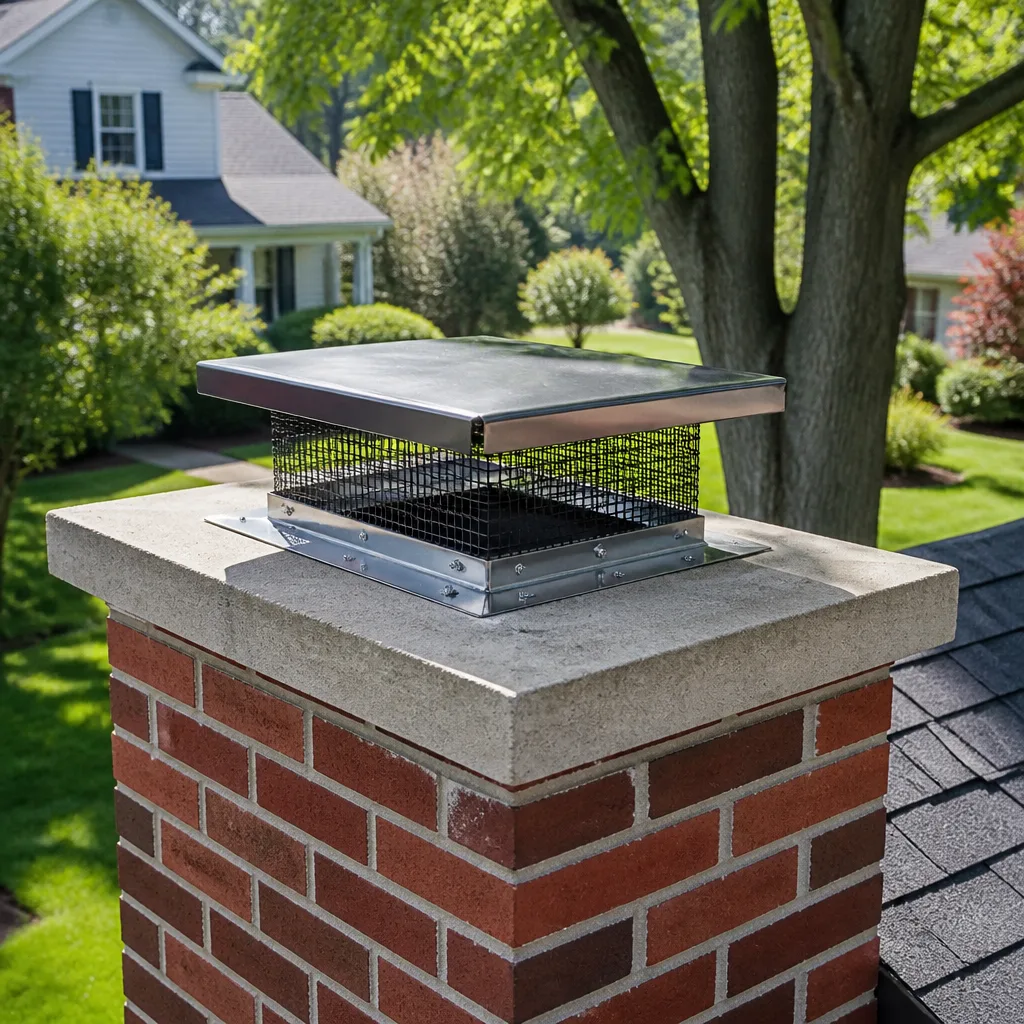
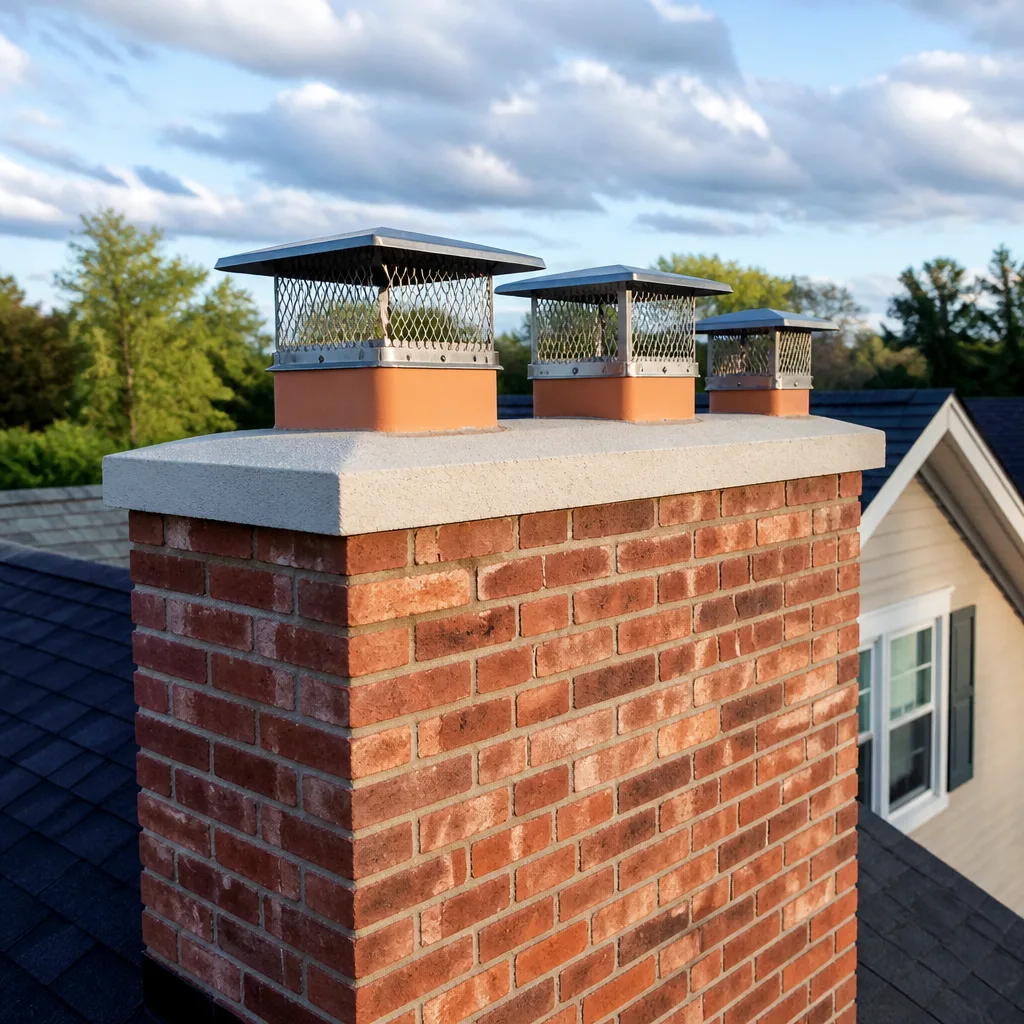 Caps & crowns
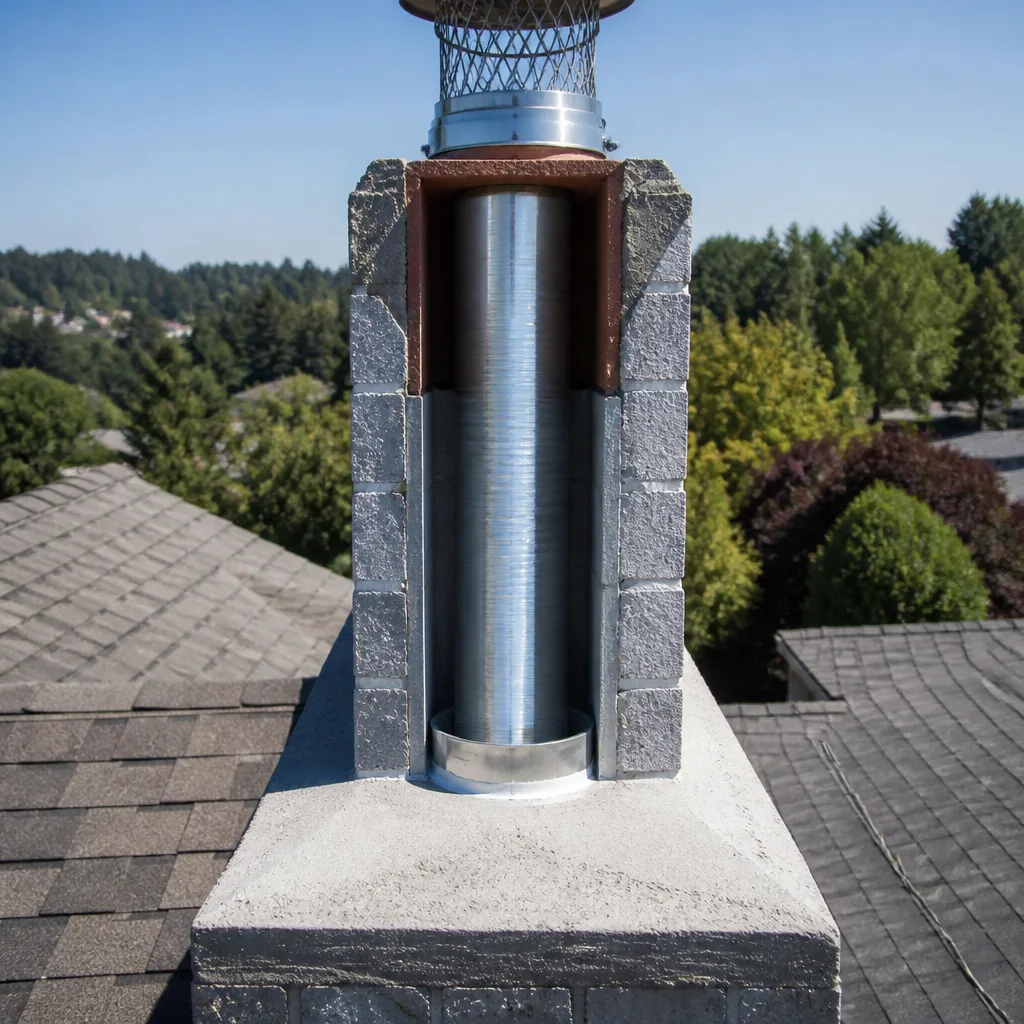 Flue relining
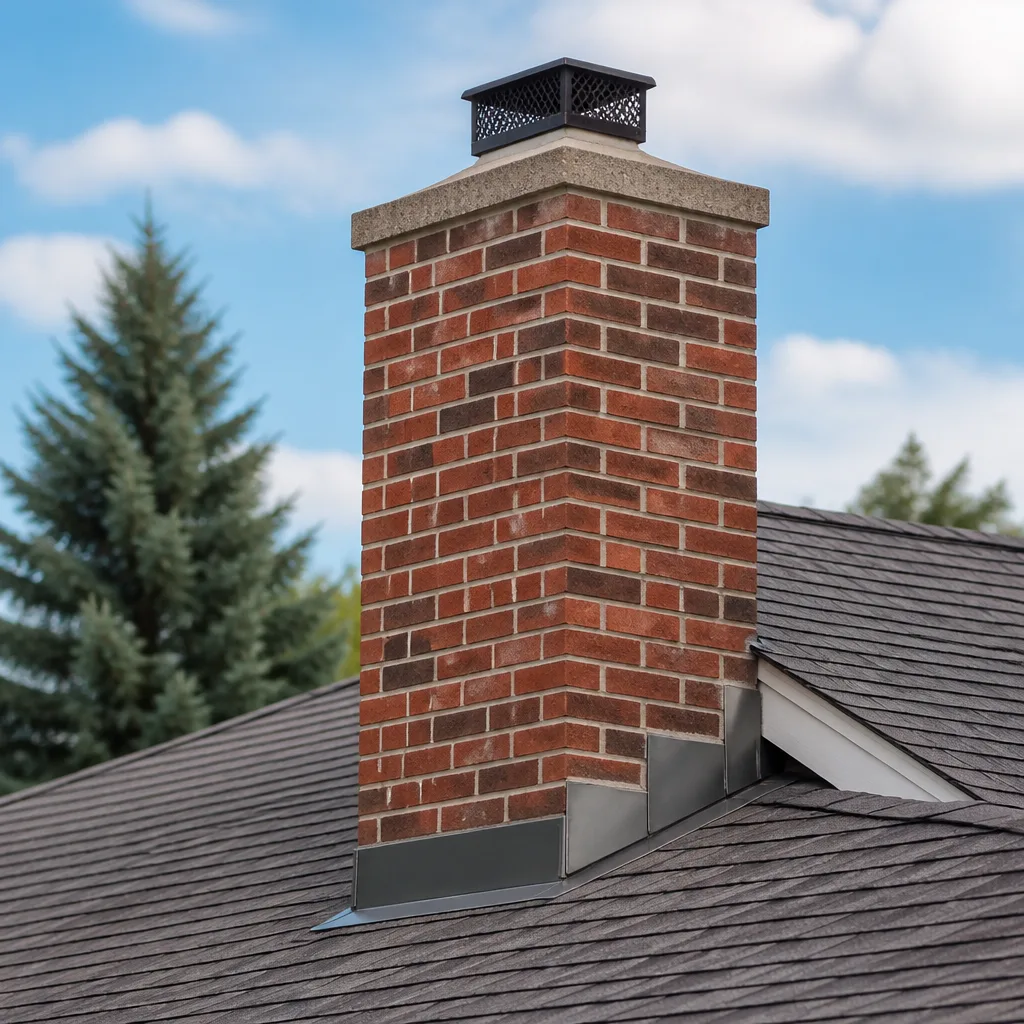 Masonry repair
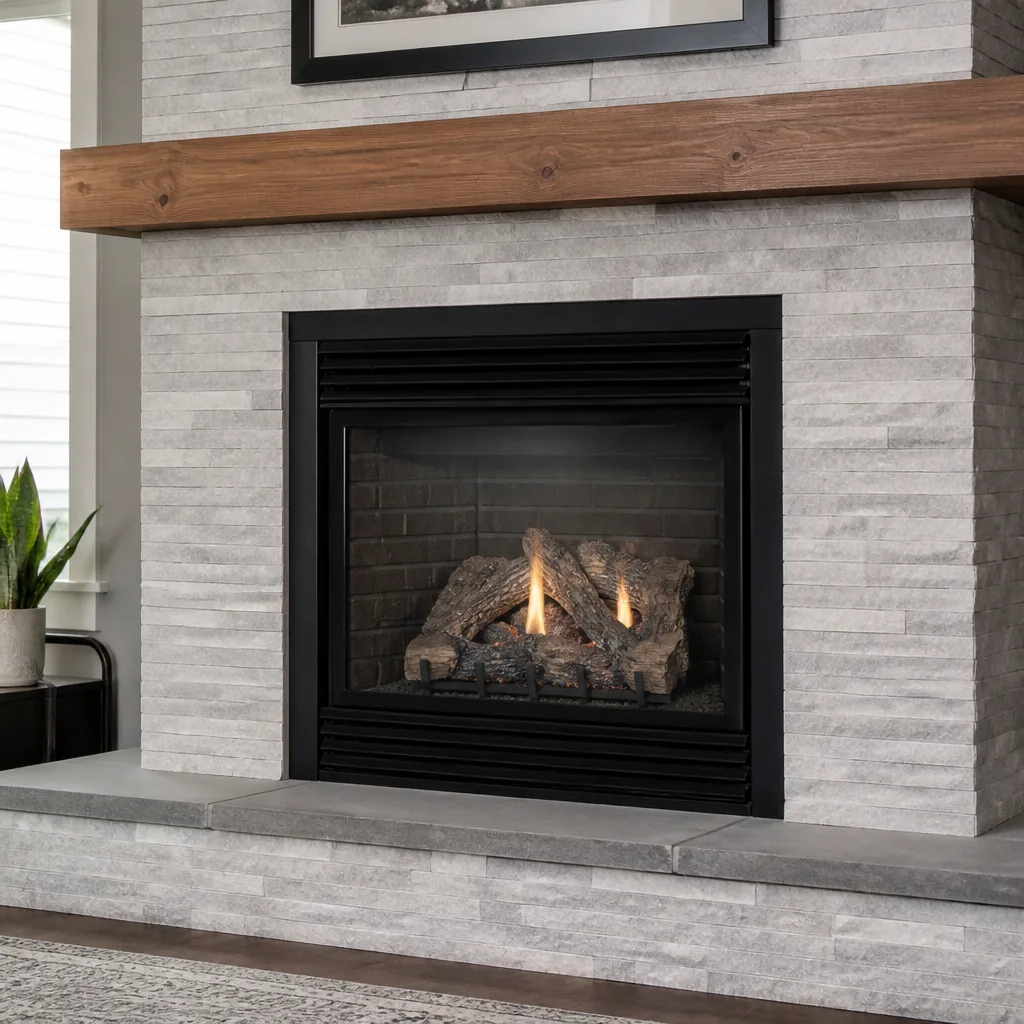 Gas fireplace service
Level 1 sweep and inspection to the NFPA 211 annual standard - flue, crown, cap, and flashing checked and photographed
Chimney sweep logs do not sweep chimneys. They loosen some creosote - which then falls where a brush and vacuum still have to collect it.
Chimney Cleaning Permits, Codes & Inspections in Richmond Hill, NY: What You Need to Know
A chimney sweep doesn’t need a permit. A new liner installation does. The line between the two gets crossed constantly in Richmond Hill, usually without the homeowner knowing it. Most people assume that if a contractor shows up and does the work, the paperwork side of things has been handled. That assumption is where trouble starts, because a chimney job done without the right filing can follow you to a title search or an insurance claim years later. This guide separates what’s state fire code from what’s NYC Building Code, explains which chimney services actually require a Department of Buildings permit, and shows you how to check that a contractor has pulled one before any work begins.
Quick Answer
In Richmond Hill, routine chimney cleaning and inspection do not require an NYC DOB permit, but structural repairs, liner replacements, and new appliance connections generally do. NFPA 211 is the technical standard that NYC fire inspections adopt by reference; it isn’t a law on its own. If a contractor is proposing anything beyond a sweep and minor repointing, ask to see the permit before work starts.
Styles & brands we work with
- Sweep & inspection
- Caps & crowns
- Flue relining
- Masonry repair
- Gas fireplace service
Table of Contents
- What NFPA 211 Is and Why It Matters in Richmond Hill
- Which Chimney Services Need a Permit and Which Don’t
- How the NYC DOB Permit Process Actually Works
- Local Law 11, Facade Inspections, and Chimneys on Attached Buildings
- What Your Insurance Company Wants After a Chimney Fire
- How to Verify Your Contractor Is Pulling the Right Permits
- The Three Levels of Chimney Inspection and When Each Applies
- What Happens to the Homeowner When Permits Are Skipped
What NFPA 211 Is and Why It Matters in Richmond Hill
NFPA 211 is the Standard for Chimneys, Fireplaces, Vents, and Solid Fuel-Burning Appliances, published by the National Fire Protection Association. It is not a law. It’s a consensus standard, which means a committee of engineers, manufacturers, and fire officials wrote it, and it carries no enforcement power by itself. What gives it teeth in New York City is that the city’s construction codes and fire code adopt it by reference. Once adopted, the standard becomes the technical yardstick for how a chimney is supposed to be built, maintained, and inspected.
This matters to a Richmond Hill homeowner because the standard defines what a compliant chimney looks like in practice. The two most-cited rules:
- Solid-fuel appliances (wood fireplaces, wood stoves, pellet stoves) require a Level 2 inspection when a property changes hands, when an appliance is replaced or added, or after an event that could have damaged the chimney, such as a chimney fire or a seismic event.
- The standard specifies clearances to combustibles, flue sizing relative to the appliance, and the condition a flue liner must be in to remain in service.
When a city fire inspector or a licensed chimney professional evaluates your system in Richmond Hill, NFPA 211 is the document they’re measuring against. It’s also the reference an insurance adjuster reaches for when deciding whether a chimney fire claim gets paid. Many Richmond Hill homes were built in the mid-twentieth century with clay tile liners, and those liners were sized to the appliances of the era. A modern insert or a converted gas appliance doesn’t always fit the original flue. The standard tells you what “fit” means.
Understanding NFPA 211 gives you a way to evaluate advice. If a contractor tells you something is unsafe, they should be able to point to a specific condition and a specific standard. That’s part of how we work: every recommendation is tied to something we can show you in a photo or on camera. Before we recommend any repair, we show you what we found, documented and specific.
Which Chimney Services Need a Permit and Which Don’t
The dividing line in Richmond Hill is whether the work changes the structure of the chimney or the configuration of the venting system. Cleaning and inspection don’t. Relining, rebuilding, and connecting a new appliance do.
Work that typically does not require a DOB permit
- Routine chimney sweeping and the removal of creosote and soot
- Level 1, Level 2, and Level 3 chimney inspections (these are diagnostic, not construction)
- Minor mortar repointing on a crown or at the smoke chamber when no structural element is altered
- Installation or replacement of a chimney cap, which is an accessory rather than a structural change
- Replacement of a damper of the same type and size
Work that generally does require a permit
- Installation of a new flue liner, including a stainless flexible liner or a cast-in-place resurfacing that changes the flue’s interior geometry
- Structural chimney repair, including rebuilds above the roofline, crown replacement where the crown is integral to the chimney’s structural top, and repair of a chimney that has separated from the building
- Connecting a new appliance to the flue, whether a wood insert, a wood stove, or a gas appliance where the venting configuration changes
- Any alteration that changes the flue’s size, shape, or routing
This is where the confusion in Richmond Hill usually starts. A homeowner books a chimney sweep, the technician finds a cracked liner, and the conversation shifts quickly to a reline. The reline is legitimate work, but it’s also permit work. The homeowner should know that before the contract is signed, not after. For a closer look at what a routine sweep involves, see our Chimney Sweep Richmond Hill page.
There’s a gray zone worth naming. Small repairs, like a chimney cap replacement or minor crown patching, don’t trigger a permit on their own. But if the crown work is part of a larger rebuild, or if a chimney cap & crown installation includes structural changes at the top of the stack, the permit question comes back into play. The safe answer is always to ask the contractor directly: “Does this job need a permit, and are you pulling one?”
How the NYC DOB Permit Process Actually Works
The NYC Department of Buildings issues permits for chimney work that qualifies as construction. The process is straightforward when a licensed contractor handles it, and confusing when a homeowner tries to navigate it alone. Here’s what the sequence generally looks like:
- The contractor files a permit application with the DOB, identifying the scope of work and the licensed professional responsible for it.
- The DOB reviews the application. For most chimney work this is an administrative review, though work in certain building types or on landmarked properties can take longer.
- Once the permit is issued, the work proceeds. A licensed contractor is responsible for the work being done according to the approved scope.
- Depending on the scope, an inspection by a DOB inspector or a licensed special inspector may be required before the work can be signed off.
- The job is closed out with the DOB. That final sign-off is the document that matters most to a future buyer or an insurance company.
A few things homeowners in Richmond Hill should know about this process. First, the permit is issued to a licensed contractor. If a company can’t or won’t pull one, that tells you something about how they operate. Second, the permit is tied to a specific scope. A permit for a liner replacement doesn’t cover a rebuild. Third, and most importantly, the permit isn’t complete until the job is closed out. A permit that was opened and never closed is a red flag on a title search, and it puts the burden on the homeowner to resolve it. Ask for the closeout documentation when the job is finished, and keep it with your home records.
Most cities require a permit for structural chimney work, so ask your contractor’s office to confirm the specific filing requirement for your address before work begins. If they hesitate or tell you permits aren’t necessary for “this kind of job,” that’s the moment to get a second opinion.
Local Law 11, Facade Inspections, and Chimneys on Attached Buildings
Local Law 11 is New York City’s Facade Inspection Safety Program, which requires periodic inspection of building facades on buildings above a certain height. It doesn’t apply to most single-family homes or small two-family houses. It does apply to larger attached and multi-unit buildings, and Richmond Hill has a mix of both.
The reason it matters here is that the Facade Inspection Safety Program sometimes intersects with chimney conditions, particularly on older attached buildings where the chimney is part of the facade assembly. If a chimney has pulled away from the building, if the crown has failed in a way that’s allowing water to work into the masonry, or if the masonry has deteriorated to the point of being a falling hazard, the chimney can become part of a facade inspection finding. When that happens, the correction isn’t a sweep or a minor repair. It’s a structural repair with a formal filing.
What triggers a formal filing on a chimney within a facade inspection context:
- Visible separation between the chimney and the building envelope
- Masonry deterioration that qualifies as an unsafe or potentially unsafe condition under the program’s criteria
- Any condition where the inspecting architect or engineer determines that the chimney’s condition affects the building’s facade safety
For a Richmond Hill homeowner in a larger building, the practical takeaway is that a chimney problem can become a building-level compliance issue, and the process for correcting it runs through the building owner and a licensed professional. For single-family homeowners, Local Law 11 is unlikely to apply directly, but the underlying principle holds: a chimney that has failed structurally isn’t just a chimney problem. If you’re seeing separation or spalling on a chimney that’s part of a shared wall, that’s a conversation to have with a professional before it becomes a bigger filing. Our chimney repair page walks through the structural conditions we see most often.
What Your Insurance Company Wants After a Chimney Fire
This is the part of the process most homeowners don’t think about until they need it, and by then it’s too late. A sweep receipt shows that a chimney was cleaned on a certain date. It says nothing about the condition of the flue, the clearances to combustibles, or whether the liner had already been compromised before the fire. Insurance companies know this. That’s why a standard sweep receipt is rarely enough to support a claim.
What an adjuster typically wants after a chimney fire:
- A documented inspection report, with photographs or video, showing the condition of the flue prior to the fire
- Evidence that the chimney was maintained in accordance with NFPA 211, which usually means a Level 2 inspection report
- Documentation of the fire’s origin and extent, often from a fire department report or an inspector’s written assessment
- Records showing any prior repairs or liner work, including permit closeout documents
The gap between a sweep receipt and an inspection report is where claims get denied or delayed. A homeowner who has a Level 2 inspection report on file from before the fire is in a much stronger position than one who has a stack of cleaning receipts and nothing else. In Richmond Hill, with a housing stock that includes a lot of older masonry chimneys, the age of the system makes this documentation even more important. An older chimney may have an undetected liner defect that predates the fire and changes how the adjustment is handled.
The practical habit: get a Level 2 inspection when you move in, when you add or change an appliance, and after any chimney fire. Keep the report with your home documents. It’s the document that tells the story when a claim needs to be made. A clean chimney is a code-compliant chimney, and a documented one is an insurable one.
How to Verify Your Contractor Is Pulling the Right Permits
You don’t need to become a permit expert. You need to know how to check. Here’s a sequence that works for any chimney job in Richmond Hill:
- Ask, in writing, whether the proposed work requires a DOB permit. Get the answer by email so you have a record.
- Ask for the permit number once it’s been issued. A legitimate contractor will provide it without hesitation.
- Verify the permit through the DOB’s online records system. The permit should match the address and the scope of work.
- Confirm the contractor’s license is active. The DOB’s records show license status for the professional responsible for the filing.
- At the end of the job, ask for the permit closeout documentation. Keep it with your inspection reports and your insurance records.
We’ve seen the alternative play out in Richmond Hill, and it isn’t pretty. A contractor who skips the permit is also likely to skip the inspection, which means no one with authority ever checks the installation. A liner that’s incorrectly sized, a flue that hasn’t been properly sealed, a cap that’s been installed without the right clearances: none of these show up until something fails.
The professional-trade material question runs alongside the permit question. We specify the same materials professional chimney engineers recommend, from NFPA-referenced manufacturers like DuraFlex for flexible liners, HeatShield for ceramic resurfacing, and Olympia Chimney and Copperfield for caps, crowns, and other system components. These aren’t hardware-store substitutes, and they’re not something a permit-skipping contractor typically installs. When you’re verifying a contractor, ask what brand of liner they’re proposing. If the answer is vague, that’s a sign the materials are vague too.
The Three Levels of Chimney Inspection and When Each Applies
NFPA 211 defines three levels of chimney inspection. Each has a different scope, and each answers a different question. Knowing the difference helps you understand what your contractor is actually doing when they show up.
Level 1 inspection
A Level 1 inspection covers readily accessible portions of the chimney and is appropriate when the system is being maintained as-is, with no changes to the appliance or the flue. It’s the inspection that accompanies a routine annual sweep. If you’ve been in your home for years, you use the same fireplace, and you’ve had no incidents, this is the standard you should expect each year.
Level 2 inspection
A Level 2 inspection is more thorough. It covers accessible areas as well as areas that require some disassembly or a camera to reach, including the interior of the flue. It’s required when a property changes hands, when an appliance is replaced or added, and after a chimney fire or other event that could have damaged the system. In Richmond Hill, where many homes have been through multiple owners and appliance changes, a Level 2 inspection is the right starting point for a homeowner who doesn’t have a recent inspection history.
Level 3 inspection
A Level 3 inspection is the most extensive. It’s used when a Level 1 or Level 2 inspection reveals a hazard that can’t be assessed without accessing concealed areas of the chimney or building. It may involve removing parts of the chimney or surrounding construction. This level is rare, and it’s a conversation to have in detail before it begins.
None of these inspections requires a permit. All three produce documentation that matters. A Level 2 report is the one you want when you’re selling a home, buying one, or filing an insurance claim after a fire. Our team works through these inspections as a matter of routine, and we provide a photo report so you can see what we saw. If the answer is that nothing needs doing yet, we say so.
What Happens to the Homeowner When Permits Are Skipped
The short version: the homeowner carries the risk. The contractor who skipped the permit walks away. The problems land on the property record, which means they land on the owner.
What can happen when a chimney job is done without the required permit:
- Title issues at sale. A title search can surface an open permit or a permit that was never applied for. Underwriters may require that the work be corrected or that a retrospective permit be filed, which is often more expensive and more complicated than doing it correctly in the first place.
- Insurance complications. If a fire occurs and the insurer determines that the work was done without a permit or without inspection, coverage can be disputed. This is particularly true where a liner was installed without documentation.
- No verification of the work. A permit triggers an inspection. No permit means no inspection, which means no one independently confirms that the liner was sized correctly, that clearances were maintained, or that the installation met the standard.
- Resale disclosures. A homeowner who discovers unpermitted work has to disclose it when selling. That can turn into a price negotiation or a stalled closing.
- Liabilities during the job. Work done without a permit is also work done outside the scope of whatever the permit would have covered, which can complicate any dispute about the quality of the installation.
The remedy for unpermitted work is to get it corrected or to file for a retrospective permit, which means bringing the work into compliance with the code that applies now rather than the code that applied when it was done. It’s doable, but it’s a process, and it’s much easier to avoid than to unwind. If you’re considering a reline or a structural repair in Richmond Hill, the permit question should be part of the first conversation, not the last. Nothing is recommended without evidence you can see, and that includes the permit that covers the work.
Common Mistakes to Avoid
- Assuming all chimney work is permit-free. Cleaning and inspection don’t require a permit. Liner replacement and structural repair do. Homeowners often lump every chimney job into the no-permit category and don’t ask.
- Accepting a sweep receipt as inspection documentation. A receipt shows that the chimney was cleaned. It doesn’t show the condition of the flue. If you need documentation for insurance or resale, ask for a Level 2 inspection report.
- Not verifying the permit number. A contractor who says “we pulled the permit” should be able to give you the number. If they can’t, the permit may not exist.
- Leaving permits open. A permit that’s opened and never closed out is still a problem on the property record. Get the closeout documentation when the job is finished.
- Skipping the inspection after a chimney fire. A chimney fire can damage a liner in ways that aren’t visible from outside. Richmond Hill’s older masonry chimneys are especially worth inspecting after any fire event.
- Treating Local Law 11 as someone else’s problem. If you own or live in a larger attached building with a chimney issue, the facade inspection program can turn a chimney condition into a filing. Ask about it early.
- Choosing a contractor on price alone. The scope of a chimney job is defined by the report and the permit. A bid that’s much lower than the others often leaves one or both out.
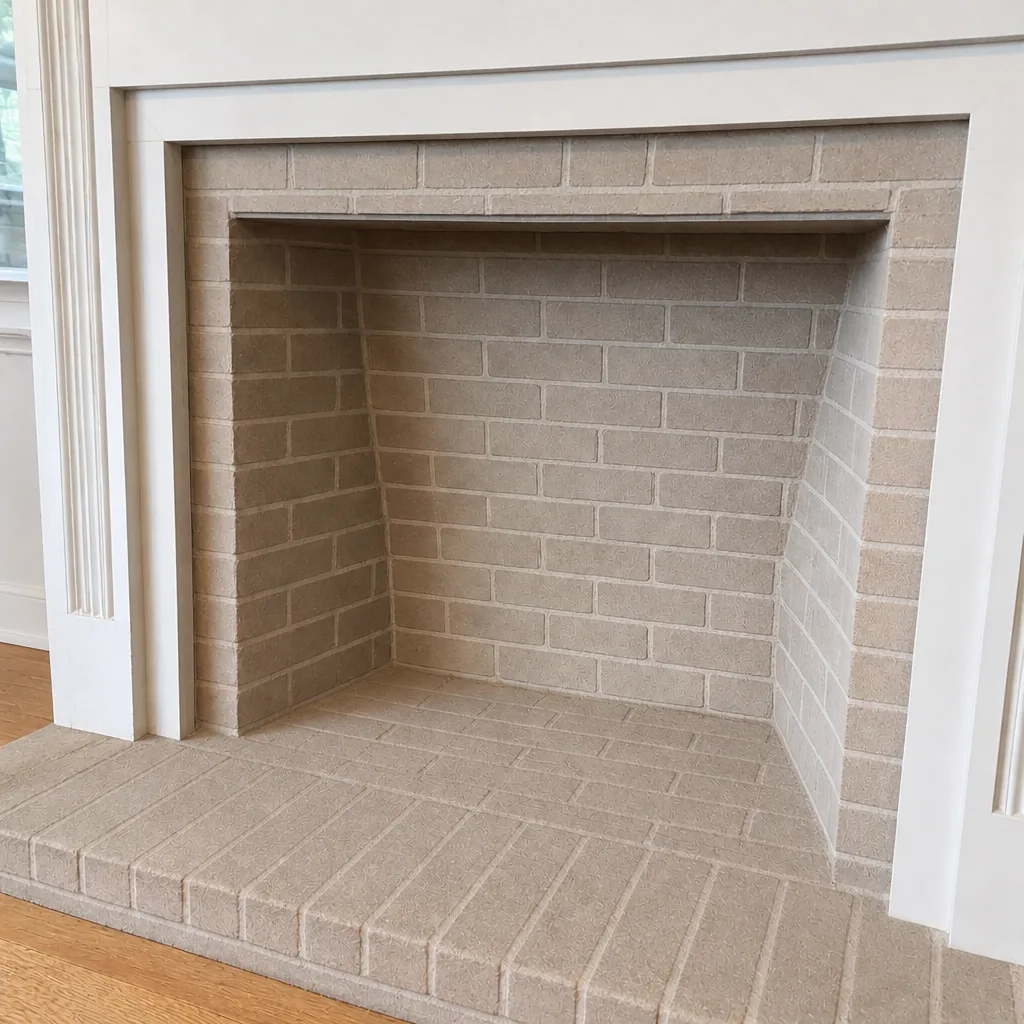
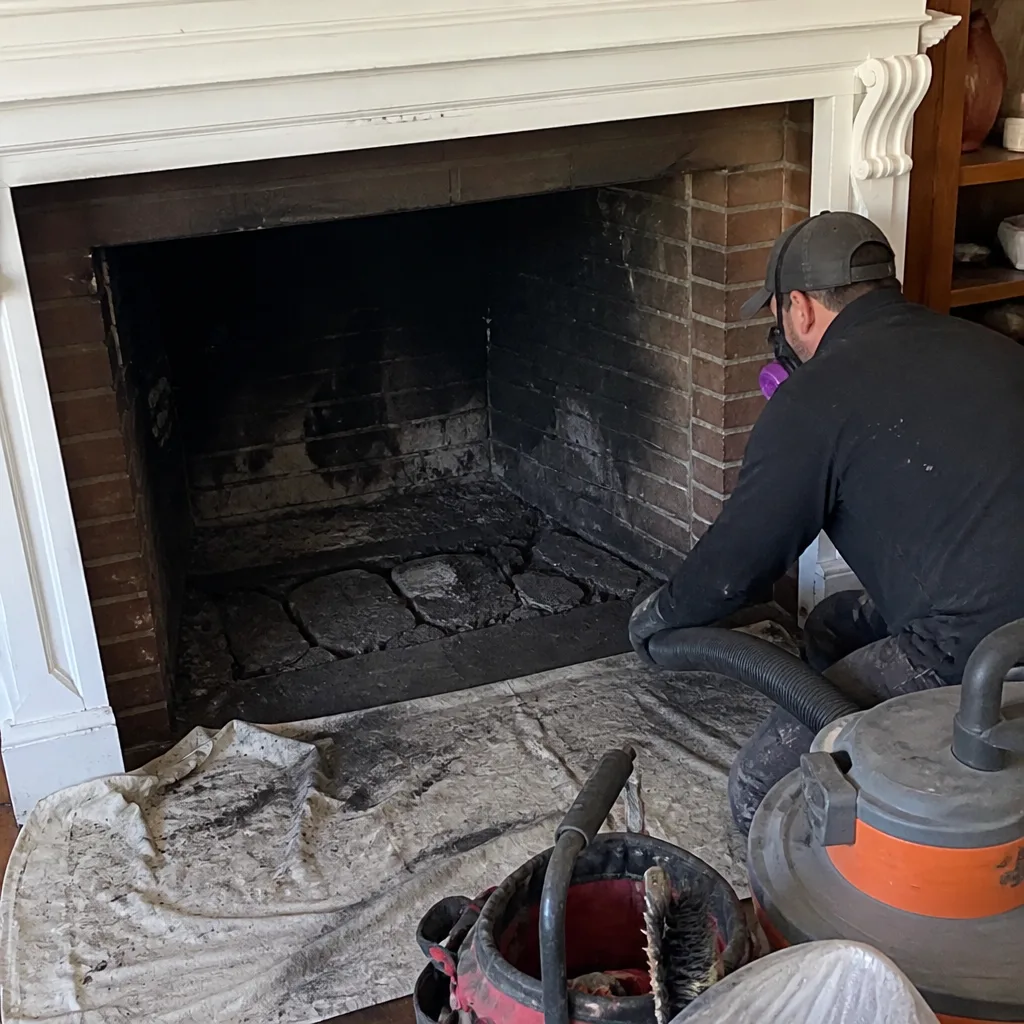
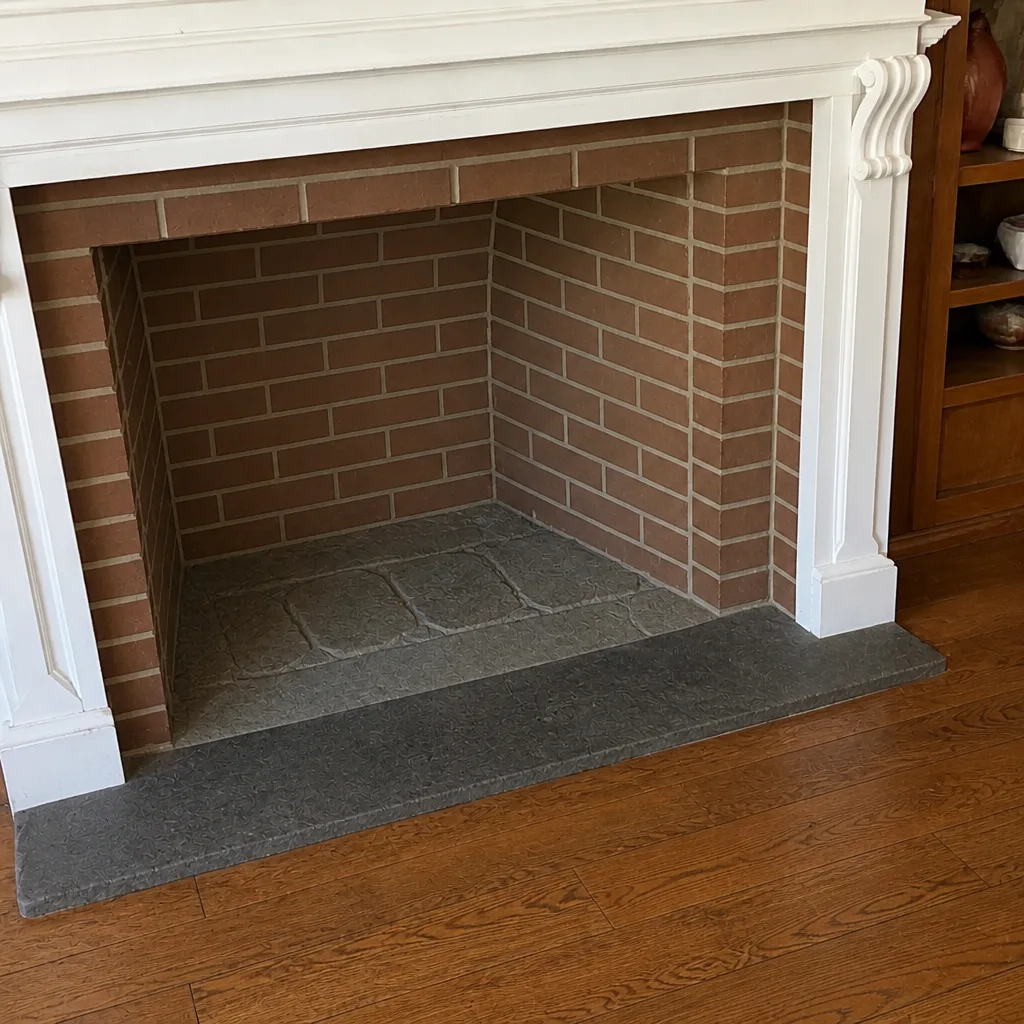
See the difference
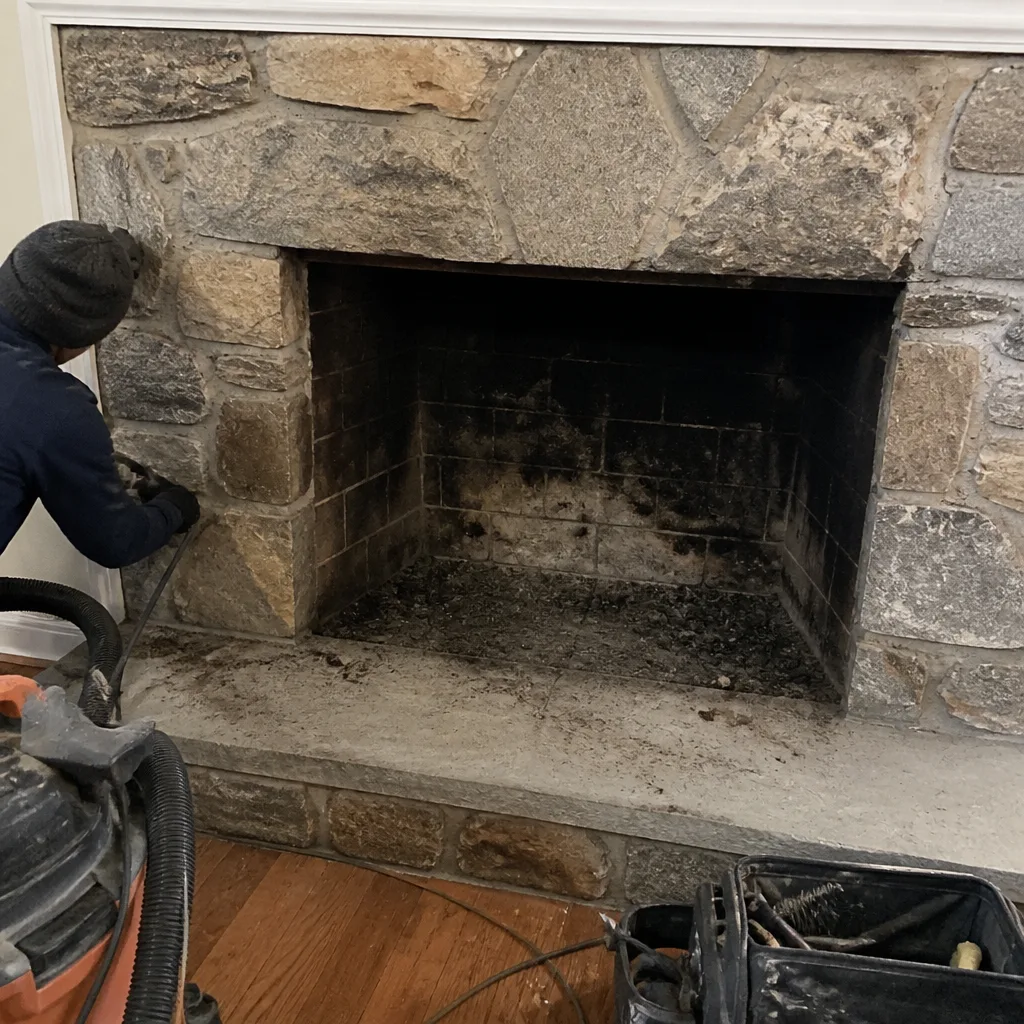 Before
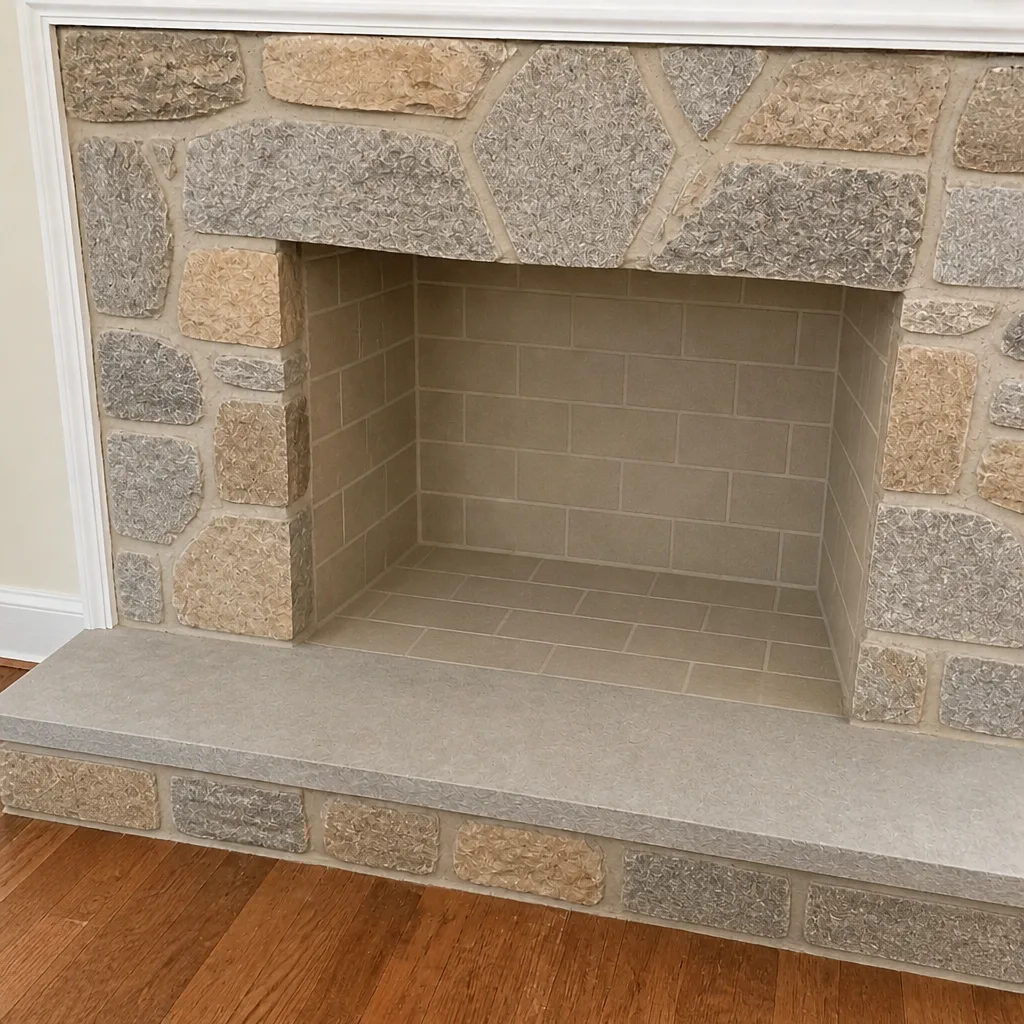 After
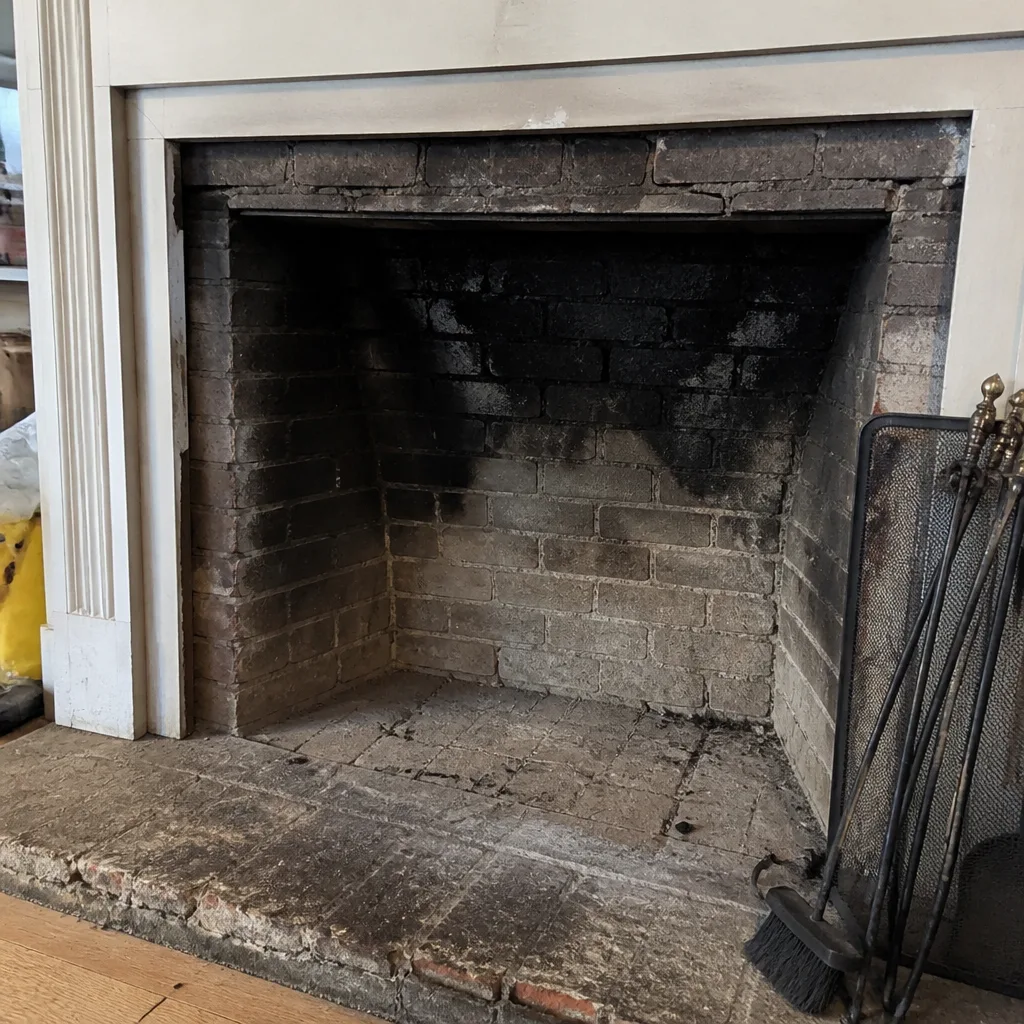 Before
 After
 Before
 After
When to Call a Professional
Call a professional when the chimney work involves anything beyond a routine cleaning. That means a cracked or deteriorated flue liner, a chimney that has separated from the building, failed masonry at the crown, a new appliance connection, or any proposed repair that changes the flue’s configuration. Also call after a chimney fire, before a home sale, or when you’ve moved into a home in Richmond Hill with no recent inspection history. A licensed contractor can be brought in for a second opinion, and asking for one is never the wrong move. Chimney Sweep Richmond Hill offers free estimates in Richmond Hill. Call (888) 846-8349. We answer 24/7. Fast dispatch from 7am to 7pm, Sunday through Friday.
Frequently Asked Questions
No. Routine chimney cleaning and inspection do not require an NYC DOB permit. A permit becomes necessary when the work changes the structure of the chimney or the venting configuration, such as a liner replacement, a structural rebuild, or a new appliance connection. If a contractor proposes anything beyond a sweep, ask whether a permit applies. Call (888) 846-8349 for an exact quote; estimates are free.
You need a new liner when the existing liner is cracked, deteriorated, or incorrectly sized for the appliance, and the only way to know that is an inspection with camera evidence. We don’t recommend a liner replacement without showing you what we found. If the liner can be restored with HeatShield ceramic resurfacing instead of replaced, that’s usually the better option, and we’ll tell you so. Call (888) 846-8349 for an exact quote; estimates are free.
NFPA 211 is a consensus standard, not a law. It becomes enforceable in New York City because the city’s construction and fire codes adopt it by reference. That’s why it functions as the technical benchmark for chimney inspections and repairs in Richmond Hill even though it isn’t a statute itself.
Most wood-burning chimneys should be swept annually and inspected at the same time. Gas appliance venting should be checked annually as well. A Level 2 inspection is also appropriate after a chimney fire, before a home sale, or when you add or replace an appliance. A chimney that’s been in steady use through a Richmond Hill heating season is due for a look. Call (888) 846-8349 for an exact quote; estimates are free.
It can surface in a title search and stall or complicate the closing. Buyers may ask for the work to be corrected or for a retrospective permit to be filed, both of which are more involved than pulling the correct permit in the first place. Disclosing it is required, and it often becomes a price negotiation. Call (888) 846-8349 for an exact quote; estimates are free.
It’s much harder. A sweep receipt documents cleaning, not condition. Insurers typically want a documented inspection report with photographs or video, evidence of NFPA 211 maintenance, and a record of any prior repairs or permit closeouts. Having those documents before a fire is what makes a claim go smoothly.
The Bottom Line
The rule of thumb in Richmond Hill: cleaning and inspection don’t require a permit, but liner replacement, structural repair, and new appliance connections do. NFPA 211 is the standard behind every inspection and every repair recommendation, even though it isn’t a law on its own. Local Law 11 can pull a chimney problem into a facade filing on larger attached buildings. Your insurance company wants an inspection report, not a sweep receipt. And the permit is only as good as its closeout. Get the number, verify it, keep the documentation. If you’re unsure whether your chimney falls on the permit side of the line, ask before work begins. Call (888) 846-8349 for a free estimate. We answer 24/7. Fast dispatch from 7am to 7pm, Sunday through Friday.
Written by the team at Chimney Sweep Richmond Hill.