
Last updated November 25, 2026
 Sweep & inspection
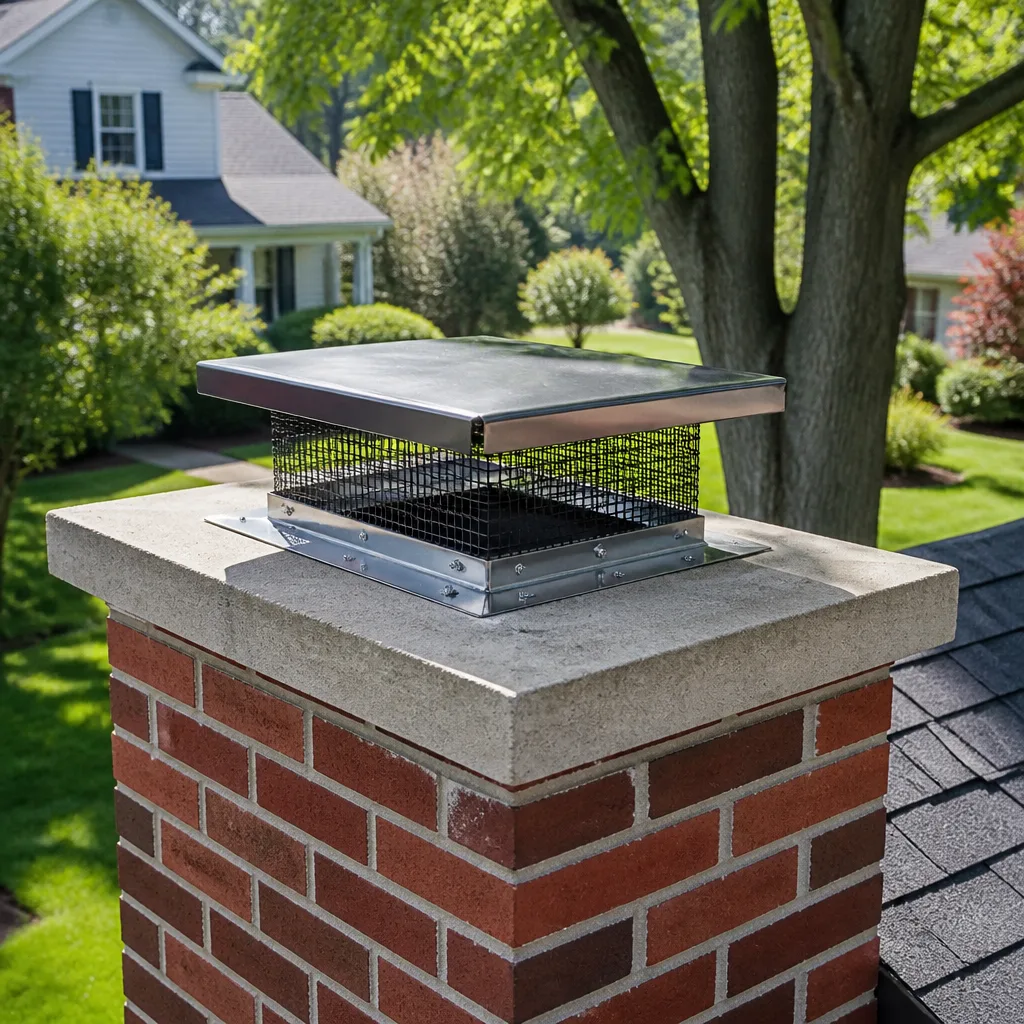
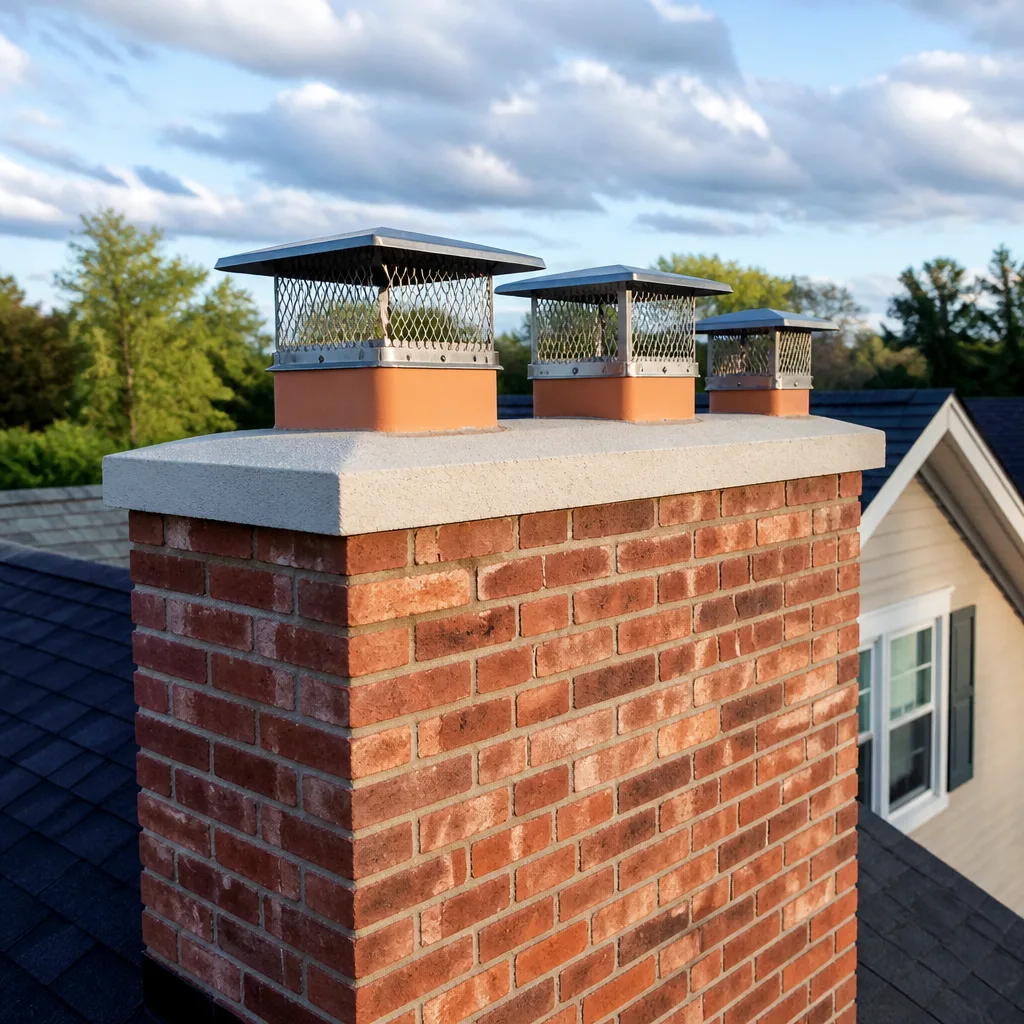 Caps & crowns
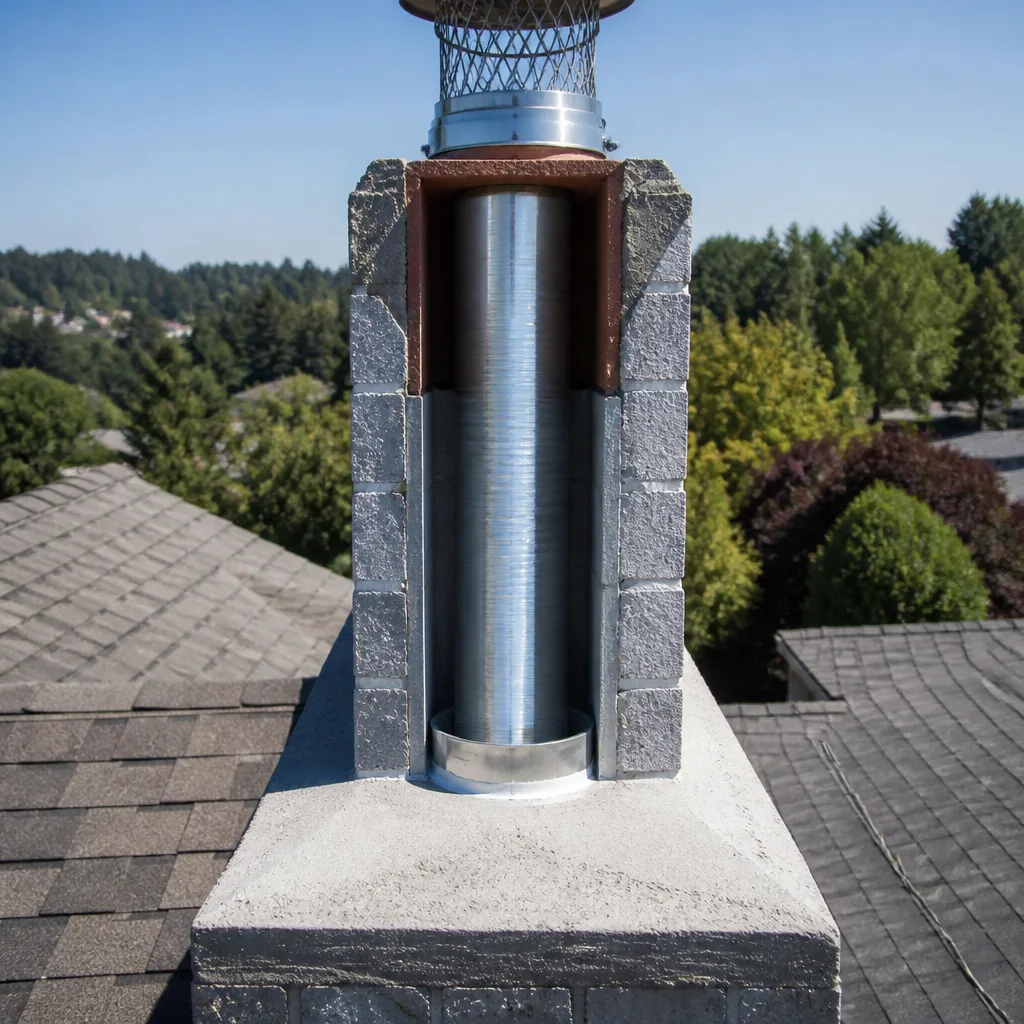 Flue relining
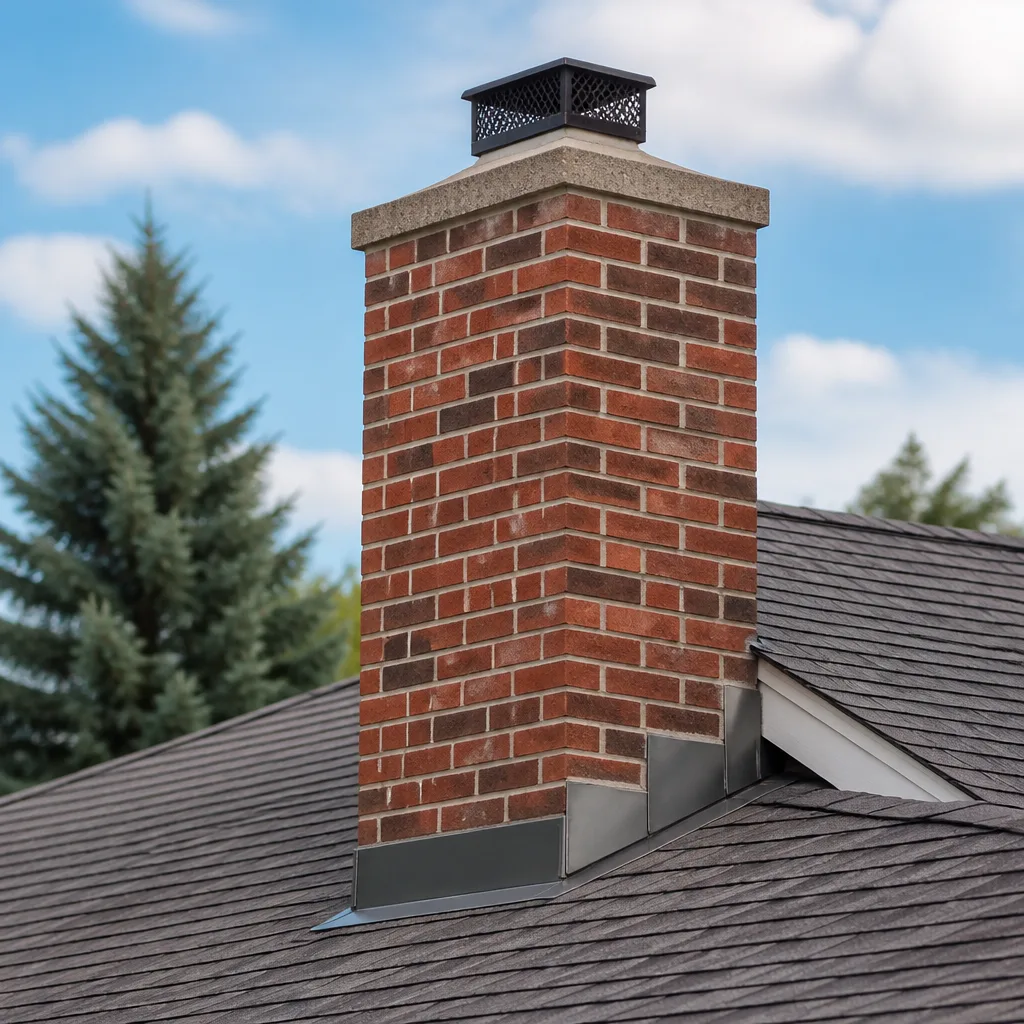 Masonry repair
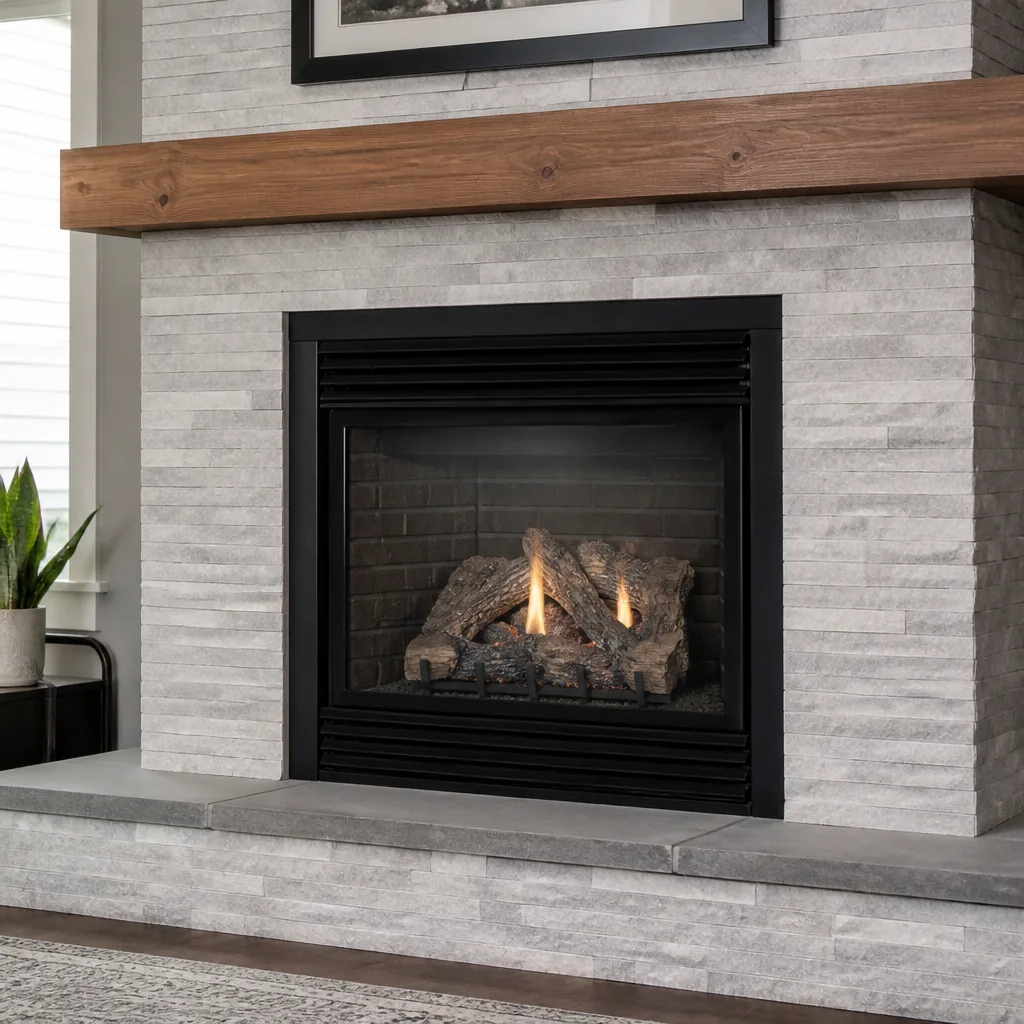 Gas fireplace service
Level 1 sweep and inspection to the NFPA 211 annual standard - flue, crown, cap, and flashing checked and photographed
Chimney sweep logs do not sweep chimneys. They loosen some creosote - which then falls where a brush and vacuum still have to collect it.
How to Hire a Chimney Cleaning Contractor in Richmond Hill: A Step-by-Step Guide
Most homeowners hire a chimney sweep the same way they’d hire a gutter cleaner: they search, they pick whoever answers first, and they hope. That works for gutters. It doesn’t work for a chimney. The person you’re letting onto your roof and into your flue needs a specific set of credentials, and those credentials are verifiable in about ten minutes if you know where to look. The gap between a certified specialist and a generalist handyman who offers sweeping as a side service is real, and it’s the difference between a documented inspection and a guess. This guide walks you through the entire hiring process, from the first phone call to reading the report you get back. We’ll cover Richmond Hill specifically, because the local housing stock and contractor market shape what you should be asking for.
Quick Answer
To hire a chimney cleaning contractor in Richmond Hill, verify the technician’s CSIA or NFI credentials against the certification registry before booking, ask whether a camera inspection is included in the written estimate or priced as an add-on, and confirm what vacuum system and flue-cleaning method they’ll use. A legitimate estimate includes scope of work, liner access method, and a disposal plan for creosote. Any contractor who quotes a price before seeing your chimney isn’t giving you an estimate; they’re guessing.
Styles & brands we work with
- Sweep & inspection
- Caps & crowns
- Flue relining
- Masonry repair
- Gas fireplace service
Table of Contents
- Why Hiring a Chimney Contractor Is Different in Richmond Hill
- How to Verify CSIA and NFI Credentials Step by Step
- What a Legitimate Written Estimate Actually Includes
- Red Flags Specific to the Queens Market
- Equipment Questions You Should Ask
- How to Read Your Post-Service Report
- The Seven-Step Hiring Checklist
- Common Mistakes to Avoid
Why Hiring a Chimney Contractor Is Different in Richmond Hill
Richmond Hill is a neighborhood of attached and semi-attached homes, many of them brick, many built before modern flue standards were tightened. That housing stock creates conditions a generic contractor isn’t prepared for. When your chimney shares a wall with your neighbor or sits directly against another roofline, the way dust and debris are contained during cleaning matters. A shop vac and a tarp won’t cut it.
The other local factor is the market itself. Search for chimney cleaning in this part of Queens and you’ll find a mix of dedicated chimney companies, roofing outfits offering sweeping as an add-on service, and handymen who’ve bought a brush and a ladder. They all show up in the same results. Sorting them apart takes some effort, but the criteria are concrete once you know them.
A dedicated chimney specialist handles the full system: the sweep, the inspection, the cap and crown, the liner, and structural repair down to the firebox. When one of those components has a problem, you want the person who just looked at it to be the person who tells you what’s wrong and what to do about it. Handoffs between a sweeper and a separate repair contractor are where small issues turn into expensive ones, because nobody owns the whole picture.
If you’re starting from scratch and just need the service itself, the main Chimney Sweep Richmond Hill page covers what a standard appointment involves. This guide is about the vetting process that comes before it.
How to Verify CSIA and NFI Credentials Step by Step
Asking “Are you certified?” gets you a “yes” from almost everyone. The question is whether that certification is current and belongs to the person who’ll actually be on your roof. That’s a separate check, and it takes a few minutes.
- Write down the name of the technician or company doing the work, not just the company that answered the phone. Subcontracting is common in this market.
- Look up that name in the CSIA (Chimney Safety Institute of America) certified sweep database. The registry is public. It shows whether a certification is active, when it was issued, and when it expires. A lapsed certification looks identical to an active one if you only ask by phone.
- Check for NFI (National Fireplace Institute) certification if your question involves a gas, wood insert, or pellet appliance. NFI covers appliance-specific knowledge that general CSIA certification doesn’t drill into.
- Confirm that the name on the certificate matches the name of the person scheduled to arrive. If the booking company says “our tech is certified” but can’t tell you who that technician is, ask again.
- Ask about the certificate’s expiration date. CSIA recertification requires continuing education. An expired certificate is the most common credential problem we see homeowners miss.
Once credentials check out, the next question is whether they carry liability coverage for work on NYC properties. Ask for the certificate of insurance directly, and check that the coverage isn’t generic contractor liability only, which may not extend to roof work or chimney structural access. A professional who works on chimneys regularly will have an answer ready and won’t be bothered by the question.
What a Legitimate Written Estimate Actually Includes
A real estimate for chimney work is a document, not a number. If a contractor gives you a price over the phone before seeing your flue, thank them and move on. Any competent sweep needs to see the liner condition, the cleanout access point, and the roof approach before committing to a scope.
Here’s what a written estimate should spell out:
- Scope of work, with inspection level named. Level 1, Level 2, or Level 3. A routine sweep is usually Level 1. Anything with a change of appliance, a sale, or a known problem calls for Level 2, which includes a video camera inspection.
- Liner access method. Are they entering from the roof, from the cleanout, or both? The answer tells you whether they’ve actually evaluated your setup or are planning a generic top-down sweep.
- Disposal plan for creosote. Where does the swept debris go? A professional bags and hauls it. Some don’t mention this, which is a hint.
- Whether the camera inspection is in the quoted price or added later. This matters. If the base price doesn’t include camera inspection and the technician pulls out a camera mid-visit to “check something”, you’re being walked into an upsell.
- Repair recommendations separated from the sweep price. Sweep and repair should be quoted separately, with the repair tied to a specific observed condition.
Where liner damage is found, you may hear about resurfacing rather than replacement. HeatShield ceramic resurfacing is a repair method that restores a deteriorated flue liner without full demolition. It’s not right for every liner condition, but it’s worth asking whether your liner qualifies before you accept a replacement quote as the only option.
Red Flags Specific to the Queens Market
The Queens chimney market has a few patterns that repeat. Recognizing them is half the battle.
Sight-unseen quoting. Any price quoted before inspection, whether high or low, is a placeholder. It tells you the contractor intends to adjust the number once they’re on-site, and the adjustment will go in their direction. A professional will always want to see the flue first.
A Level 2 inspection priced below what it costs to do properly. A genuine Level 2 inspection with camera work and a written report takes time, uses equipment, and requires the technician to be genuinely evaluating conditions. If the price seems too low for the scope, ask what’s excluded from it. Often the “inspection” turns out to be a quick visual glance at the firebox.
Mid-job add-on pressure. The clearest sign of this is a technician who finishes the sweep, declares a problem, and then applies time pressure to approve the repair right then. You can always wait a day. A responsible contractor will document the finding, show you the evidence, and give you a written recommendation you can consider without a deadline.
Vague equipment descriptions. “We use a standard setup” is not an answer. A professional will name their vacuum class and flue-cleaning method without hesitation.
No written report offered. If you aren’t getting photos and a written summary, you aren’t getting an inspection. You’re getting a cleaning with an opinion attached.
The chimney repair page goes into more detail on how to evaluate repair recommendations once you have them in hand.
Equipment Questions You Should Ask
Equipment is where the gap between a specialist and a generalist becomes visible. Three questions cover most of it.
What vacuum system will you use? In attached homes, which is most of Richmond Hill, dust containment is the difference between a clean living room and a mess you’re cleaning up for a week. Ask specifically about HEPA-level containment. A contractor with a dedicated HEPA unit will say so without prompting. A contractor planning to use a shop vac and a drop cloth will usually pivot the conversation.
What cleaning method for the flue? Rotary cleaning with whip heads or chains is standard for modern sweeps and handles glazed creosote better than a straight brush. Ask whether they use rotary or manual brushes and why. The answer tells you whether they’ve thought about your particular flue condition or are just running a brush through.
Are you insured for roof access? Chimney work on a sloped roof is a liability category of its own. Confirm that the coverage on file includes the work being done and isn’t just a generic contractor policy.
Also worth asking: do they bring a camera to every visit, or is it reserved for Level 2? Some contractors include a camera in every job because it’s the only way they can document what they found. That’s a better sign than the ones who quote camera inspection as an add-on only when they suspect a problem.
On the materials side, you don’t need to quiz a technician on brand names at the estimating stage. But if liner work is ever recommended, and the recommendation is built on trade-grade products like chimney cap & crown components or a HeatShield liner treatment, that’s a signal the scope is real. Professional-trade materials like DuraFlex, Gelco, Olympia Chimney, and Famco are what certified chimney engineers specify. When you see trade-only brands in the estimate, the contractor is working from the professional supply chain rather than a big-box shelf.
How to Read Your Post-Service Report
A written report is the tangible deliverable that separates an inspection from a sweep-and-say. Here’s what it should contain:
- Photos. At minimum, the firebox, the damper, the first flue section, and the flue from the top down. If liner condition is being discussed, camera photos of the liner interior. No photos, no inspection.
- Creosote class noted. Creosote is graded by how advanced the deposit is, and the class determines whether standard sweeping is sufficient or whether a chemical treatment or liner work is needed.
- Liner condition described specifically. Not “fair” or “showing wear” but “hairline cracks visible at section joint 3” or “glaze deposits on upper third”. Specific language means the technician actually looked.
- NFPA 211 findings flagged for repair. The National Fire Protection Association standard 211 is the reference point for chimney construction and maintenance. Anything the inspector finds that deviates from that standard should be noted with a recommendation, not a pressure sale.
- Next service interval recommendation. Most chimneys should be swept annually, but if your usage is higher or your wood quality is lower, the interval may be shorter. A report should tell you when to plan the next visit.
Read the whole report before scheduling any follow-up work. If repair is recommended, ask for the photo that shows the problem. We’ve never had a homeowner question a repair once they’ve seen the evidence for themselves, and that’s exactly the point: the recommendation should be documented, not assumed. Call (888) 846-8349 if you’d like us to walk through a report you’ve already received from another contractor.
The Seven-Step Hiring Checklist
Here’s the whole process condensed into the order that makes sense when you’re actually doing it:
- Identify what kind of service you need. Annual sweep? Suspected problem? Before selling the house? The scope shapes whether you need a Level 1, Level 2, or Level 3 inspection.
- Ask for the technician’s name and verify CSIA certification against the public registry. Confirm expiration date and that the named technician is the one who’ll arrive.
- Confirm NFI certification if you have a gas, pellet, or insert appliance. Not every sweep carries it, but the ones who do can speak to appliance-specific issues.
- Request the written estimate, and check what’s in it. Scope, liner access method, disposal plan, and whether camera inspection is included or extra.
- Ask about the vacuum and cleaning method. HEPA containment, rotary versus manual brushes, roof insurance.
- Review the post-service report against the four content requirements (photos, creosote class, liner condition specifics, NFPA 211 findings).
- If repair is recommended, ask to see the photo evidence before approving. Get the recommendation in writing. Never commit to repair work on the day of the sweep without a written recommendation in hand.
That’s the process. It’s not complicated, but it takes about half an hour to work through, and it’s the difference between a documented inspection and an unscoped guess.
Common Mistakes to Avoid
- Booking on price alone. The cheapest quote in Richmond Hill is very often the one that ends in a mid-job upsell or a liner replacement recommendation based on nothing you can verify. The lowest number at booking rarely stays the lowest number at completion.
- Accepting a phone quote. If a contractor prices the job before seeing the flue, you’re not getting an estimate. You’re getting an opening bid on work they haven’t scoped.
- Skipping the credential check. Lapsed CSIA certification is common and invisible unless you check the registry. “Certified” on a business card doesn’t mean the technician who shows up holds an active certificate.
- Treating the camera inspection as optional. A visual-only sweep doesn’t see liner damage on the upper flue. Any chimney you can’t inspect properly is a chimney you can’t clear for safe use.
- Approving repair work on the spot. A technician who documents a problem and hands you a written recommendation is going to be back next year for the next sweep. A technician who pressures you to sign today may not be.
- Overlooking the cap and crown. In this part of Queens, water intrusion through a deteriorated crown is the single most common route to chimney damage. If the report flags crown wear, that’s a real repair, not an upsell.
- Ignoring the report until next winter. A flagged repair noted now and deferred for six months is a small fix that becomes a large one. Read the report while the finding is fresh.
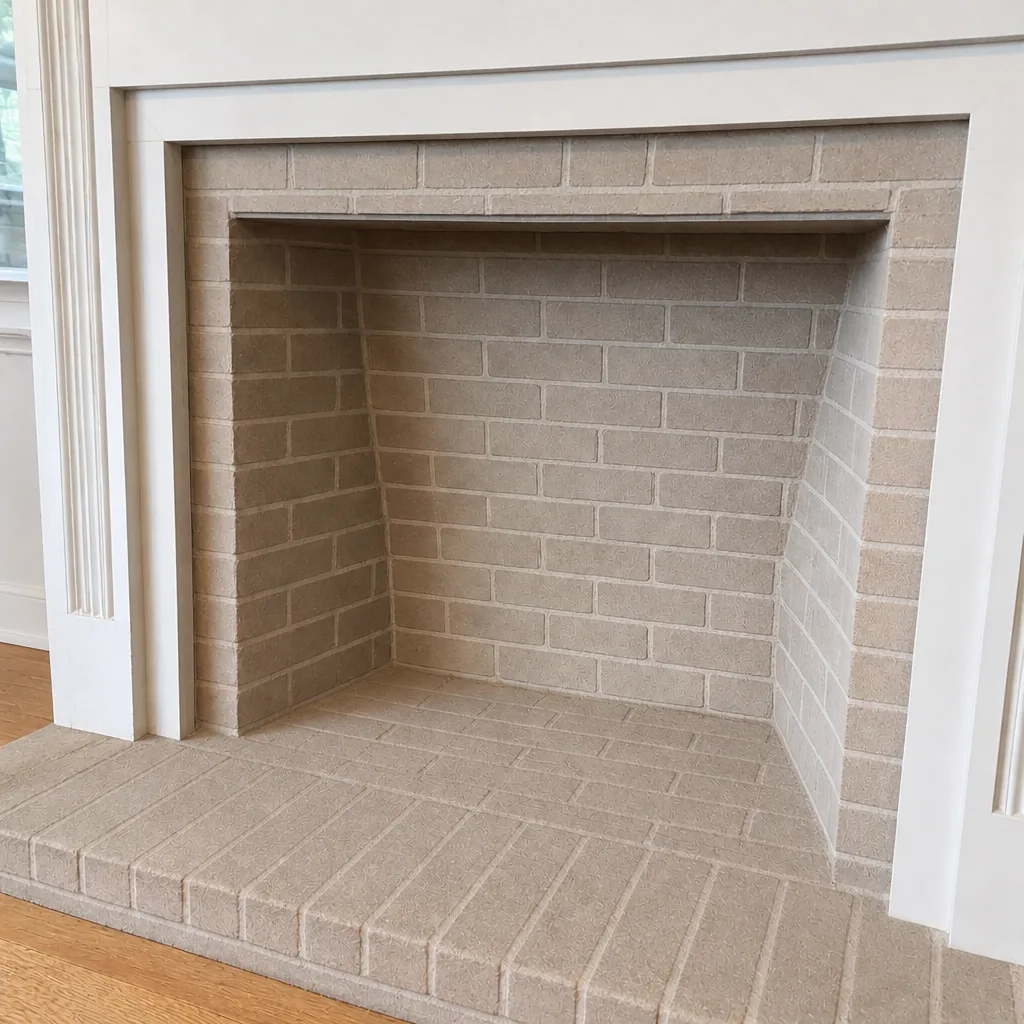
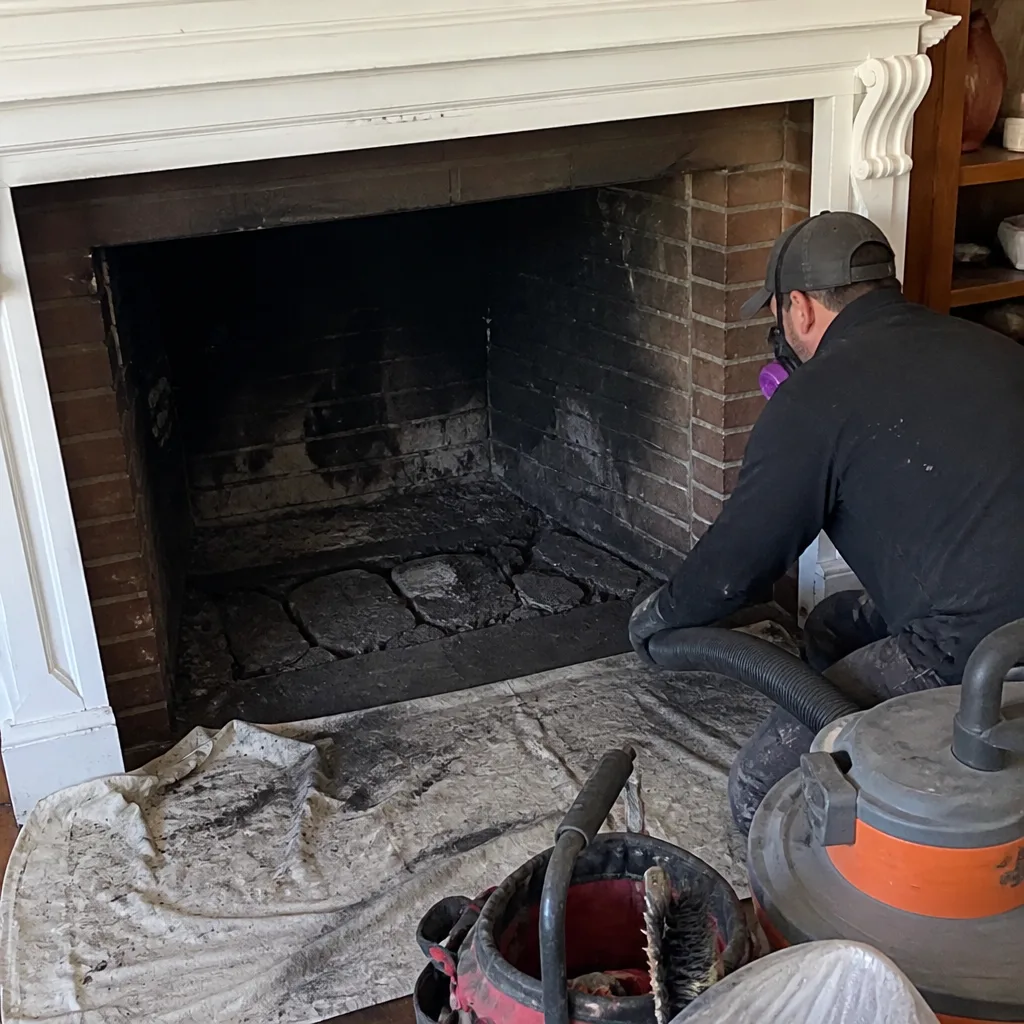
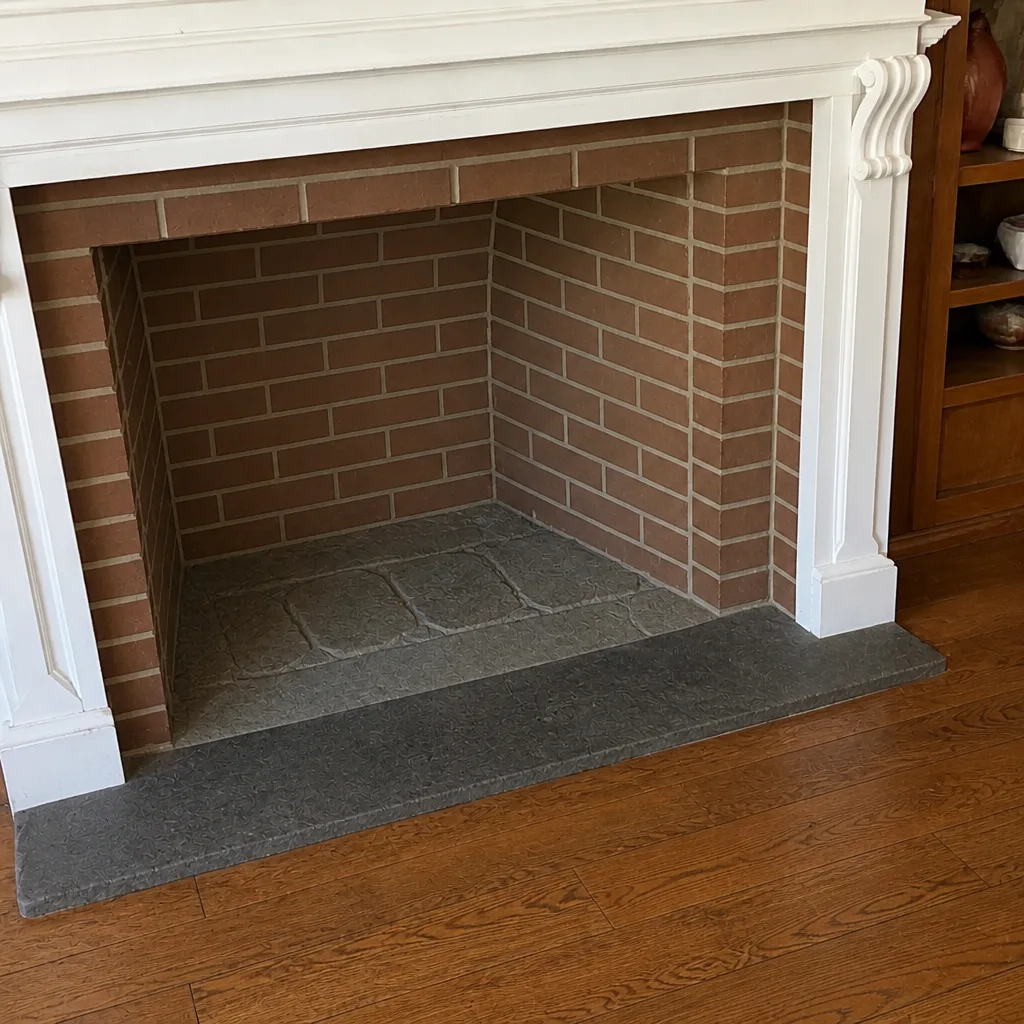
See the difference
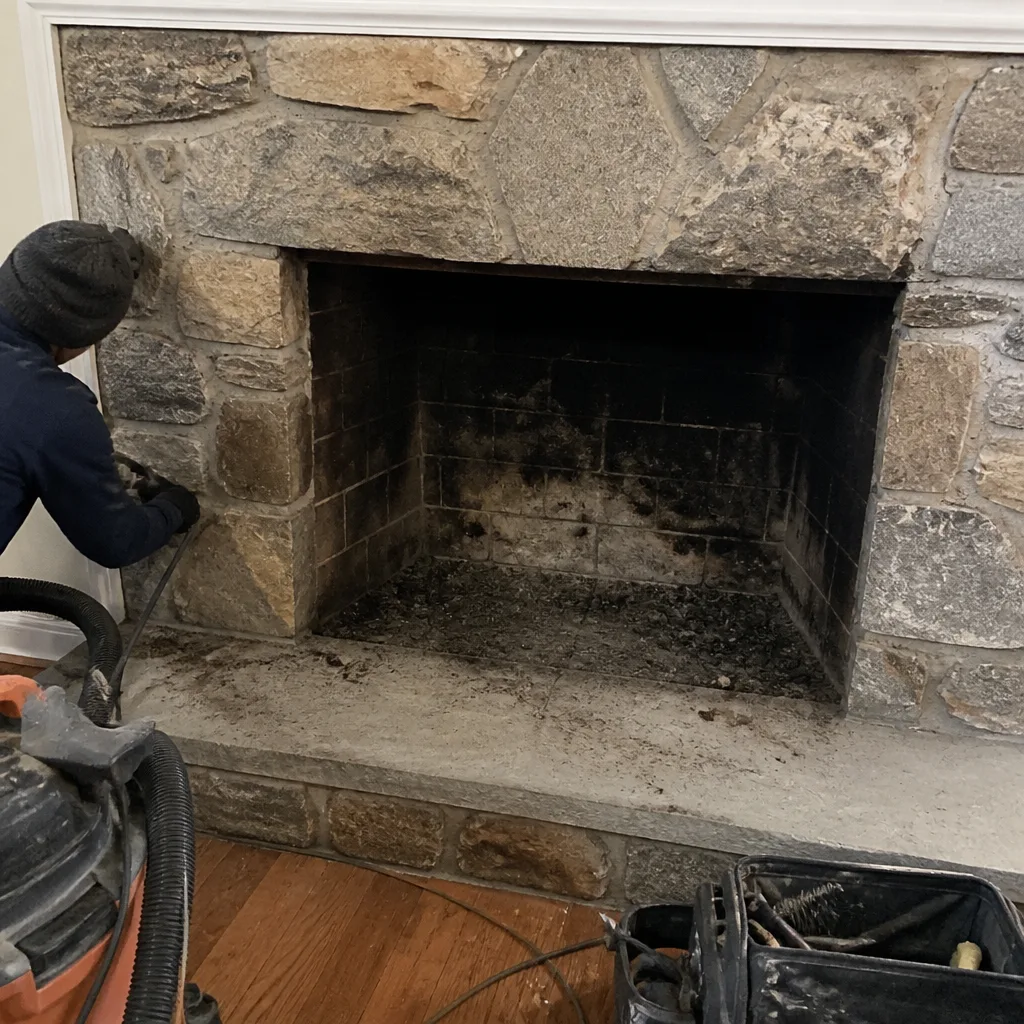 Before
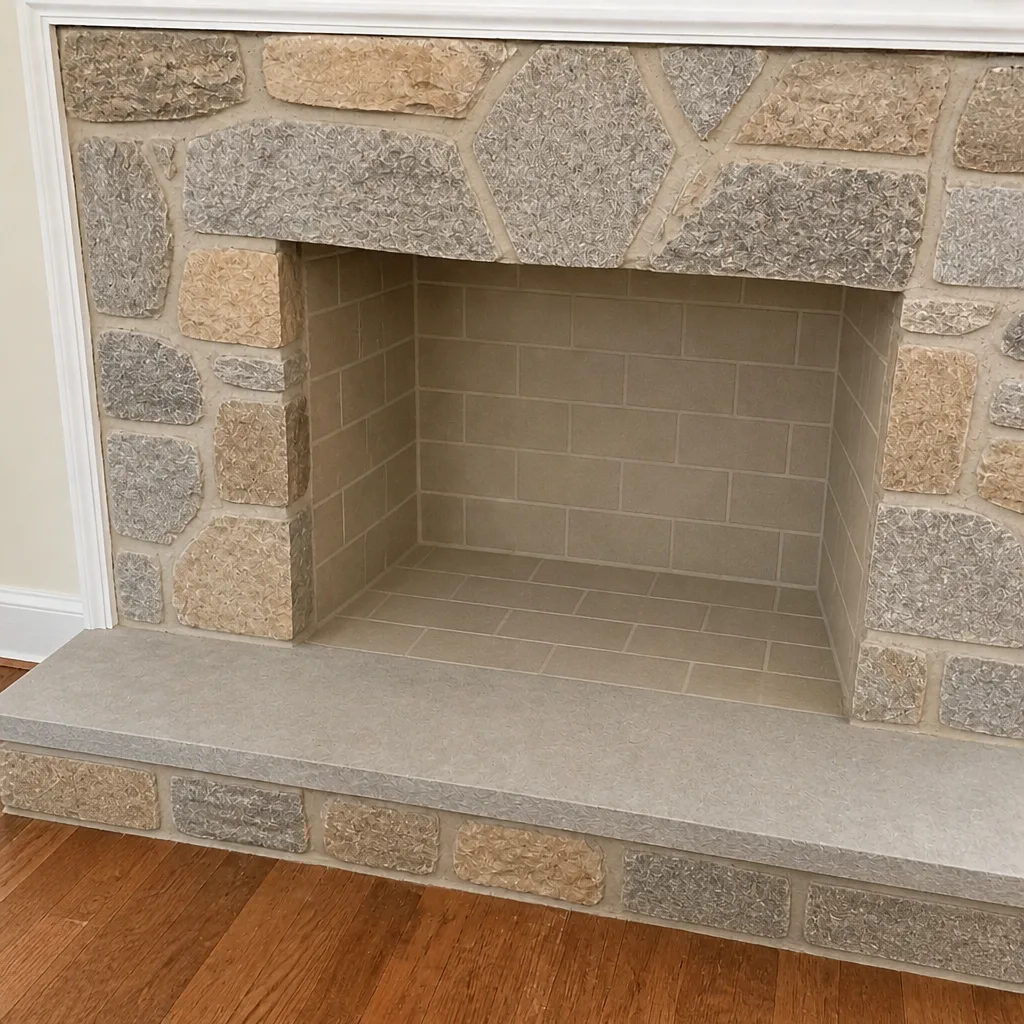 After
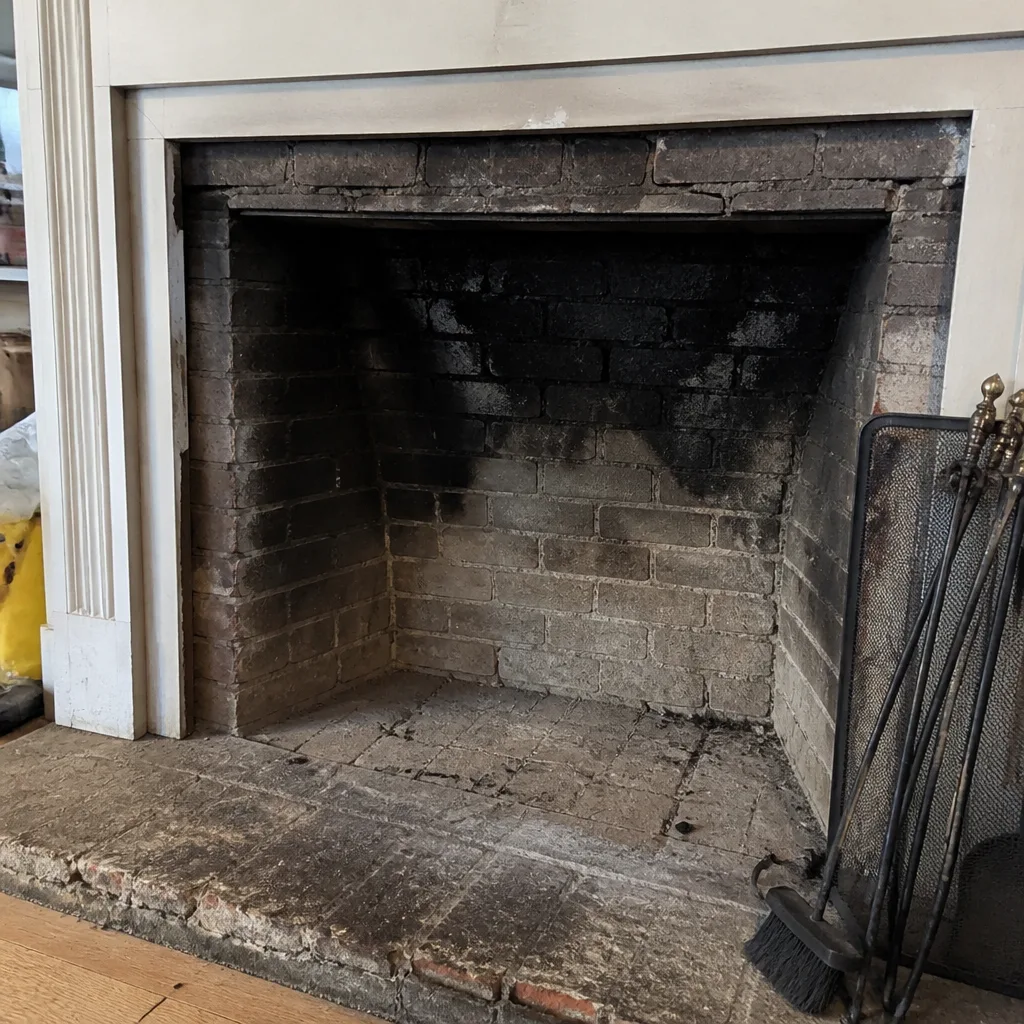 Before
 After
 Before
 After
When to Call a Professional
Some chimney work is genuinely do-it-yourself territory; most of it isn’t. Anything that puts you on a roof, into a flue, or near a gas appliance is not DIY territory. Call a professional if you’re due for an annual sweep, if you’ve moved into a new home and don’t have service records, if you notice a strong odor from the fireplace when it’s not in use, if smoke backs up into the room when you light a fire, or if a previous technician flagged a liner or crown issue you haven’t addressed. Carbon monoxide is a specific reason to call right away: if your CO alarm sounds and you have any fuel-burning appliance in the house, get everyone out and call for help. If a technician has recommended repair work and you want a second opinion before you agree to it, that’s also a reason to call. Chimney Sweep Richmond Hill offers free estimates in Richmond Hill. Call (888) 846-8349. We answer 24/7. Fast dispatch from 7am to 7pm, Sunday through Friday.
Frequently Asked Questions
Look up the technician’s name in the public CSIA certified sweep database and confirm the certification is current, not just issued. Then check the expiration date and confirm the named technician is the person who’ll arrive at your home. NFI certification is a separate check if your appliance is gas, pellet, or an insert. If the name on the certificate doesn’t match the technician doing the work, ask why.
A standard chimney sweep in Richmond Hill typically falls in the same range as the rest of Queens, and the written estimate sets the final price. Expect a Level 1 sweep and a Level 2 inspection with a camera to be priced separately; if a quote doesn’t include camera inspection, ask what’s excluded. The estimate is free, so call (888) 846-8349 for an exact quote before you commit.
A Level 2 inspection includes a video camera evaluation of the entire accessible flue liner, from the top down, plus a review of the firebox, damper, and visible exterior components. It also produces a written report with photos, the creosote class observed, and any NFPA 211 findings flagged for repair. The camera work is the core of the inspection; without it, you’re getting a visual sweep only.
Not always. Liner recommendations should be tied to specific photo evidence: cracks, spalling, or gaps visible in the flue. Ask to see the photo. Some liner conditions can be repaired without replacement; HeatShield resurfacing, for example, restores a deteriorated liner non-invasively, and it’s worth asking whether your liner qualifies. If a technician can’t show you the photo, the recommendation is unverified. Call (888) 846-8349 and we can review a recommendation you’ve already received.
Most chimneys should be swept once a year, and more often if you burn a lot of wood or use unseasoned firewood that produces heavy deposits. The post-service report should give you a specific interval recommendation based on what the technician observed. If you’ve never had your Richmond Hill chimney swept and you don’t know its service history, start with a Level 2 inspection rather than assuming a routine sweep is sufficient.
Creosote accumulates in the flue and becomes progressively harder to remove. Over time it can obstruct the flue, which reduces draft and causes smoke to enter the room, and in the worst cases creates a fire hazard in the flue itself. Carbon monoxide risk also increases when a flue is blocked. An annual sweep and inspection catches these conditions before they become something more expensive. Call (888) 846-8349 for a free estimate on your first visit.
The Bottom Line
Hiring a chimney contractor in Richmond Hill comes down to verification, not trust. Check the CSIA registry and confirm the certificate is active and matches the technician who’ll arrive. Insist on a written estimate that names the scope, the access method, and whether the camera inspection is included. Ask about HEPA vacuum containment and rotary cleaning for your particular flue. Then read the report you get back, photo by photo, before you approve any repair. Most homeowners default to whoever answers first; the ones who check credentials, scope, and evidence end up with a chimney that’s genuinely safe, a documented history they can hand to a future buyer, and a technician they can call year after year. If you want the process done with someone who can show their work, call (888) 846-8349 for a free estimate on your Richmond Hill chimney. We answer 24/7. Fast dispatch from 7am to 7pm, Sunday through Friday.
Written by the team at Chimney Sweep Richmond Hill.