
Last updated November 25, 2026
 Sweep & inspection
 Caps & crowns
 Flue relining
 Masonry repair
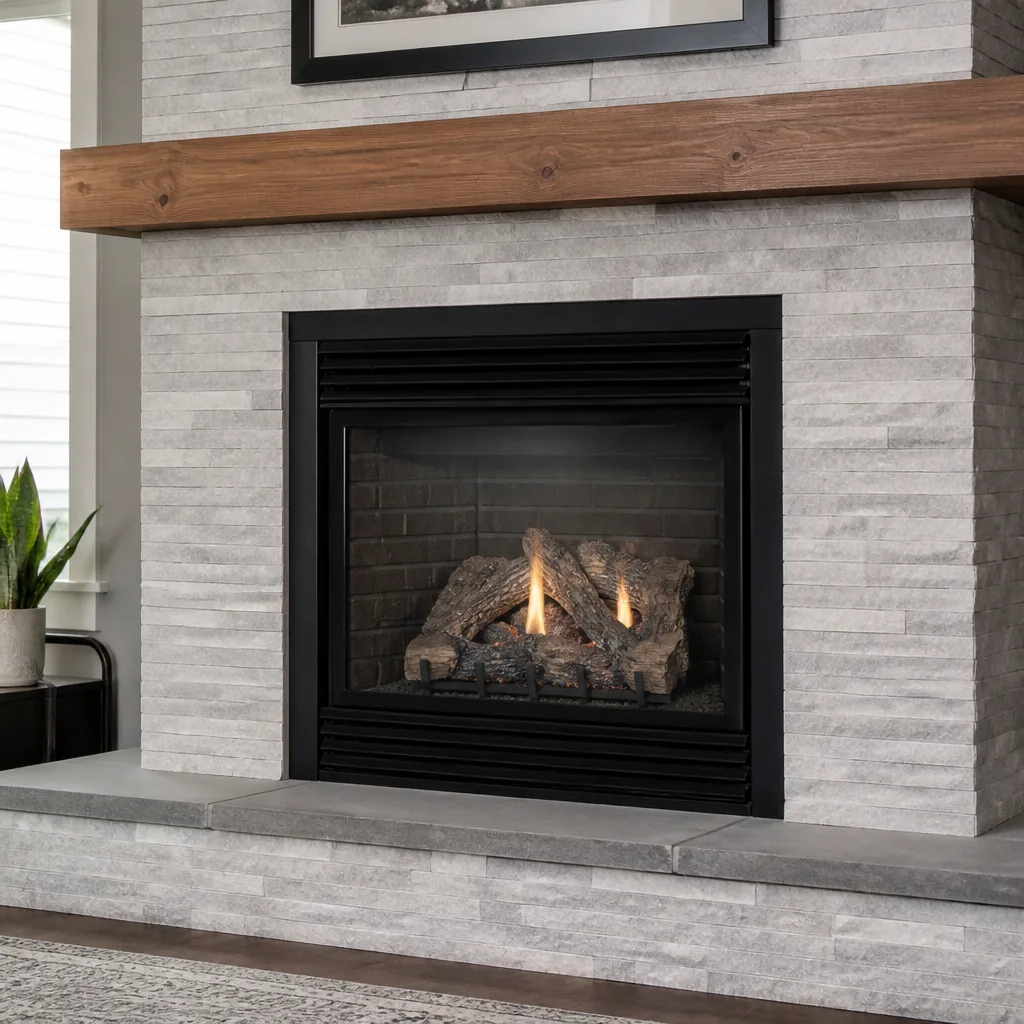 Gas fireplace service
Level 1 sweep and inspection to the NFPA 211 annual standard - flue, crown, cap, and flashing checked and photographed
Chimney sweep logs do not sweep chimneys. They loosen some creosote - which then falls where a brush and vacuum still have to collect it.
Chimney Sweep Troubleshooting in Richmond Hill: Common Problems and How to Fix Them
Most homeowners in Richmond Hill read a smoky fireplace as a dirty chimney and book a sweep. Often that’s exactly right. But a fire that rolls smoke into the room can just as easily be a draft problem: a flue that’s too short for the firebox, a pressure imbalance in the house, or a damper that was never sized correctly when the chimney went up. Cleaning fixes creosote. It doesn’t fix geometry or air pressure, and you’ll know the difference because the smoke comes back. This guide maps the symptoms you’re seeing to their actual mechanical causes, so when you talk to a specialist you can describe what’s happening in plain language and avoid work you don’t need.
Quick Answer
Most chimney problems in Richmond Hill fall into one of four buckets: creosote buildup that narrows the flue and restricts draw, structural draft problems like a short flue or wrong firebox-to-flue ratio, moisture getting into masonry, or negative pressure pulling air down the chimney from the rest of the house. Smoke rollback, weak draft, and mystery odors all have distinct mechanical causes, and a documented inspection with a camera tells you which one you’re dealing with before anyone recommends a repair.
Styles & brands we work with
- Sweep & inspection
- Caps & crowns
- Flue relining
- Masonry repair
- Gas fireplace service
Table of Contents
- Start With the Symptom, Not the Fix
- Why Smoke Rolls Back Into the Room
- Creosote Restriction vs. Structural Draft Problems
- What That Chimney Odor Is Actually Telling You
- The Diagnostic Value of a Level 2 Inspection
- Problems That Look DIY-Fixable But Aren’t
- Richmond Hill Climate and Chimney Wear
- Getting Ready Before the Heating Season
Start With the Symptom, Not the Fix
Troubleshooting works when you go in order: what you observe first, what mechanism could produce that observation, then how a specialist confirms it. Most people skip straight to a guess, and the guess is usually “it needs a sweep.” Sometimes that’s the answer. When it isn’t, the sweep happens, the symptom stays, and now you’re looking at a second bill on top of the first.
Here’s how we think about the sequence, and how we’ll walk through it on this page:
- Name the symptom precisely. “Smoke comes out the top of the firebox when I first light it” is different from “smoke rolls out the whole time the fire burns.” One points to a cold flue, the other to a draft or dimension problem.
- Note when it happens. Only on startup, only on windy days, only when the kitchen exhaust fan is running, all the time. Timing is diagnostic.
- Separate airflow problems from obstruction problems. A flue blocked by creosote and a flue that’s simply too short both cause weak draw, but one gets fixed with a brush and the other doesn’t.
- Confirm with a camera. A visual check from the top and bottom of the flue shows what’s reachable. A camera run shows the liner interior, joint condition, and any offsets or damage you can’t see otherwise.
The reason this matters in Richmond Hill is housing age. A lot of the homes here were built in eras when fireplaces were sized and flued by rule of thumb, and a fair number have had firebox or damper modifications over the years that were never matched to the flue. Older construction also means masonry that has taken on decades of freeze-thaw cycles, and that shows up as cracks, spalling, and water finding its way in. If you want the full picture of what a routine service visit covers, that’s the chimney sweep Richmond Hill page. For everything else, read on.
Why Smoke Rolls Back Into the Room
Smoke rollback happens when the flue can’t pull air up faster than the fire produces smoke, or when something is pushing air down the chimney harder than the fire can overcome. It’s a pressure and draft balance problem, not a cleanliness problem, at least half the time. You can have a spotless flue and still get smoke in the room if the flue is too short, too large for the firebox opening, or fighting negative pressure in the house.
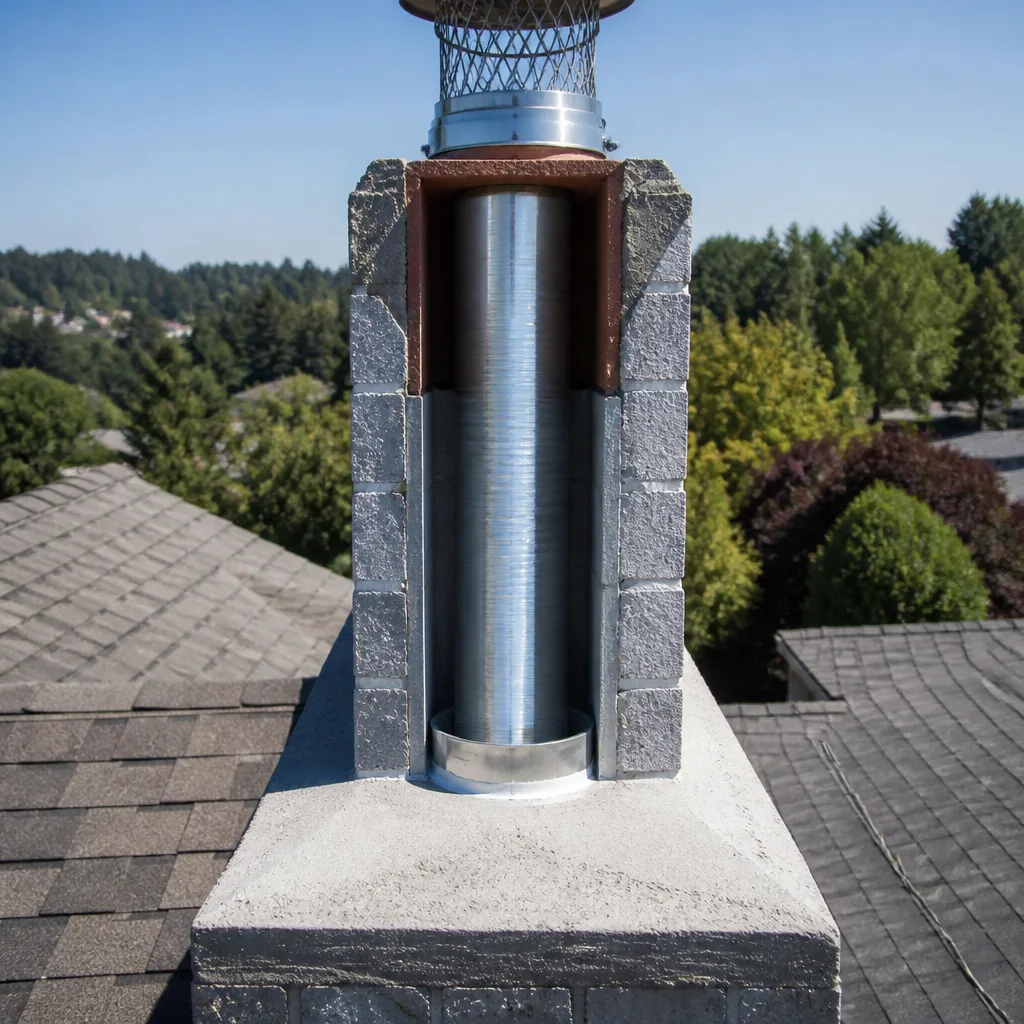
The height-to-firebox ratio is where older Richmond Hill homes often struggle. The chimney needs enough vertical run above the firebox and above the roof to establish a reliable column of rising warm air. When a firebox opening was enlarged at some point, or a chimney was built on the short side, the ratio gets out of balance. The flue volume is too big for the heat the fire produces, the smoke cools before it clears the top, and it stalls and spills. Same thing happens with a flue that’s oversized for the appliance; a flue liner has to be sized to the firebox or insert, not just chosen to fit the chase.
Common causes of rollback, in rough order of how often we see them:
- Flue too short or too large for the firebox. Classic on older construction where dimensions were never tuned to the fire.
- Negative pressure in the house. Kitchen exhaust, bath fans, a tight modern envelope, or a furnace and water heater competing for combustion air. Opening a nearby window and watching the smoke behavior tells you a lot.
- Creosote or debris narrowing the flue. A partial blockage creates turbulence and weakens the draw.
- Cracked or disconnected liner. Smoke leaks into the chase instead of going up and out.
- Damper problems. A damper that doesn’t open fully, or one that’s oversized for the fire being burned.
Notice the tension: some of these are creosote problems and some are structural. Cleaning handles the first group and does nothing for the second. If your fire smokes and a sweep didn’t fix it, the next step is a documented inspection to check flue dimensions against the firebox and confirm the liner is intact.
Creosote Restriction vs. Structural Draft Problems
These two categories produce nearly identical symptoms, and telling them apart is the single most useful troubleshooting skill a homeowner can develop. Creosote restriction is buildup narrowing the flue and cutting airflow. A structural draft problem is a design or condition issue with the flue itself: too short, too large, wrong shape, cracked liner, or disconnected sections. Both cause weak draw, smoky fires, and poor burn quality. The fixes are completely different.
Here’s a quick way to think about which one you may be dealing with:
- Builds up over time. If the fireplace worked fine for two seasons and has gotten progressively harder to light, that points toward creosote buildup. Structural problems don’t usually appear overnight either, but they show up as a chronic characteristic, not a gradual decline.
- Worse on cold start. Creosote restriction affects the whole burn; a short flue is often worst when the chimney is cold and improves as it warms.
- Better when warmer outside. If the fire draws better in mild weather and backdrafts in cold snaps, that’s a draft issue, not buildup.
- Smell after rain. Creosote odors get worse after rain because moisture reacts with the deposits and releases that acrid smell. Moisture odors on their own are different; that’s water in the masonry, not creosote.
- Visible staining. Creosote leaves dark, glazed staining, especially near the damper. So do leaky liners, but a leaky liner tends to produce lighter staining and smoke smell in the chase.
Creosote is also a fire hazard, and it’s worth being direct about that. Glazed, third-degree creosote in a restricted flue can ignite, and a chimney fire can damage a liner badly enough to create a path for carbon monoxide into the living space. That’s not scare talk; it’s why the National Fire Protection Association recommends annual inspection and sweeping as needed. The best answer for whether your draw problem is creosote or geometry is a camera inspection. We can recommend a chimney repair only after we’ve shown you what we found, and if the answer is “clean it and re-check,” that’s what we’ll tell you.
What That Chimney Odor Is Actually Telling You
Chimney odor is usually one of three things: active creosote smell, moisture intrusion into the masonry, or negative pressure pulling outside air down through the flue. Each one smells different and shows up at a different time of year, and the distinction matters because moisture damage gets worse quietly while a pressure problem doesn’t damage anything.
Creosote odor is sharp and smoky, a bit like a campfire that’s gone cold, and it’s worse after rain or on humid days. That’s because water vapor reacts with the creosote deposits and releases the smell into the room. It’s strongest in mild weather when the fire isn’t running to burn it off. If you notice a smoky smell in the room on damp afternoons with no fire burning, creosote deposits in the flue are the first thing we’d check.
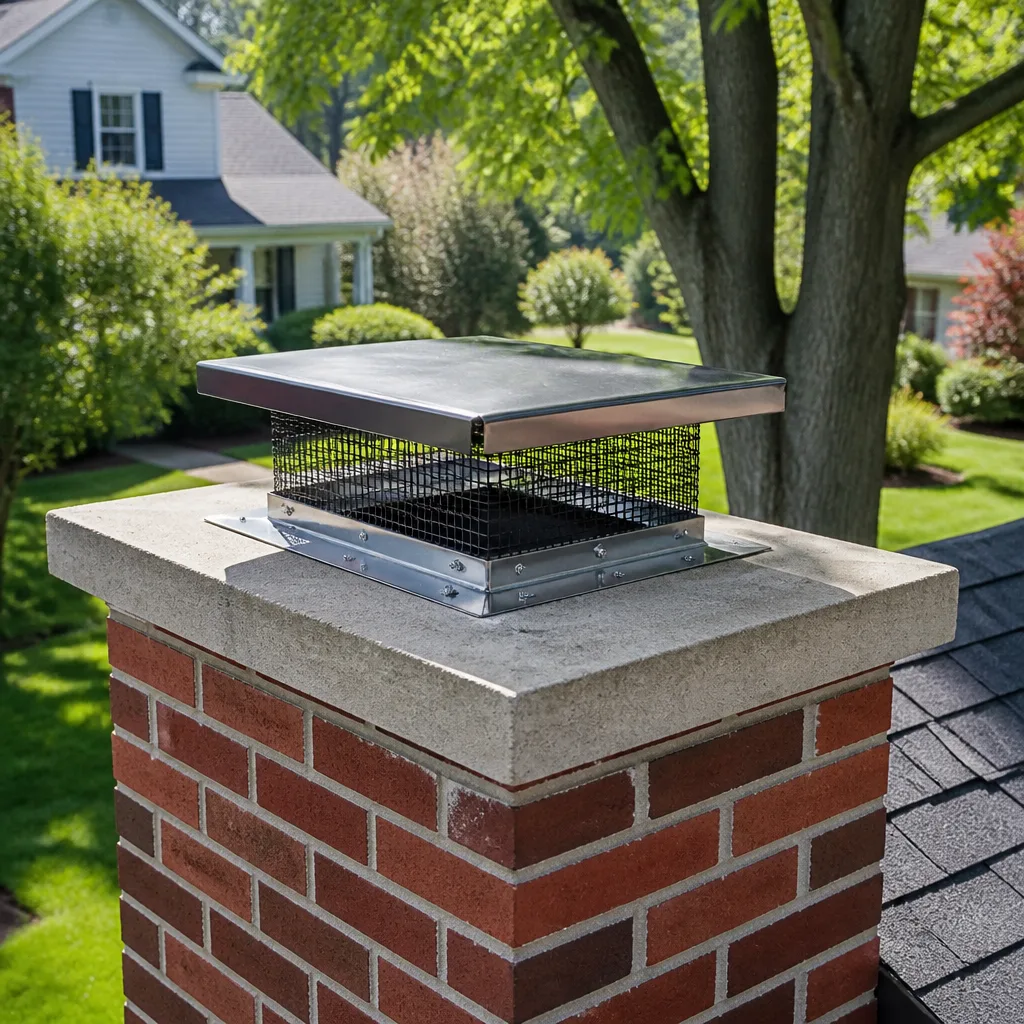
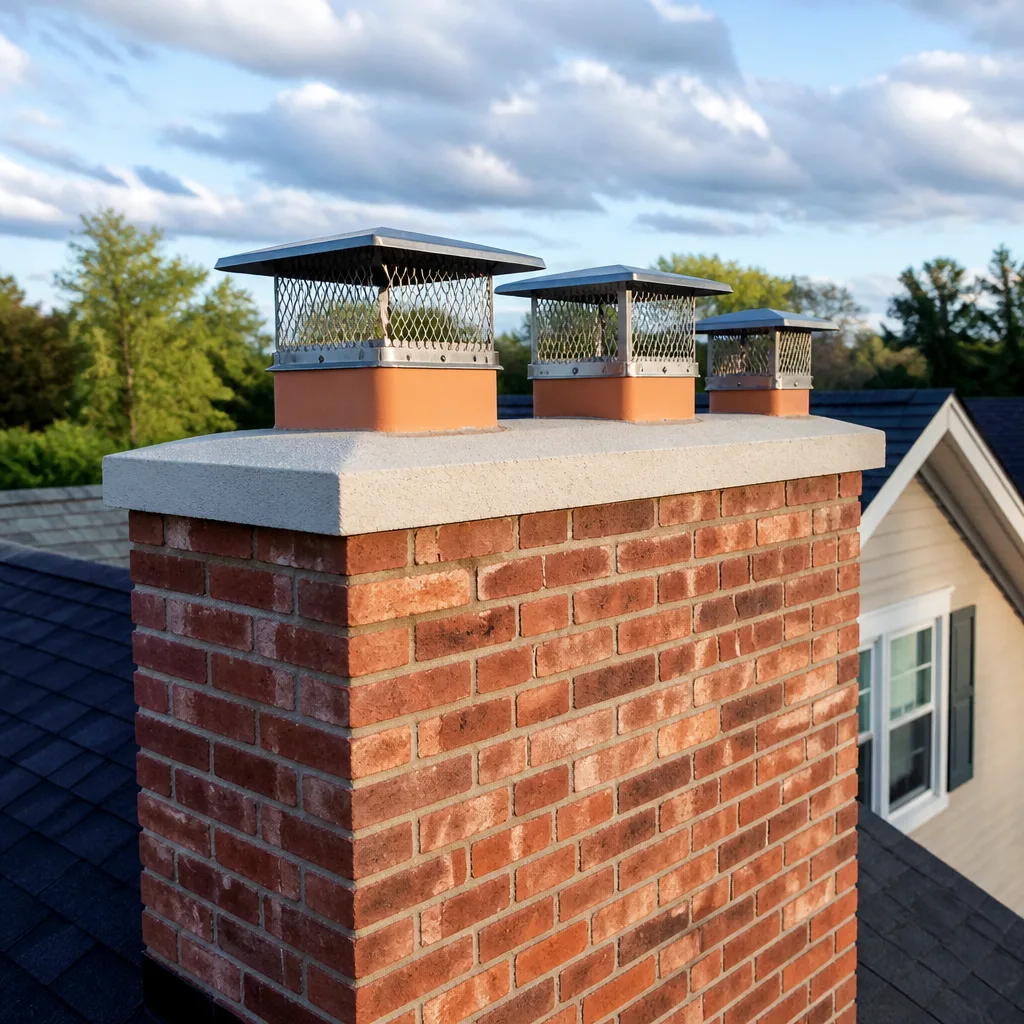
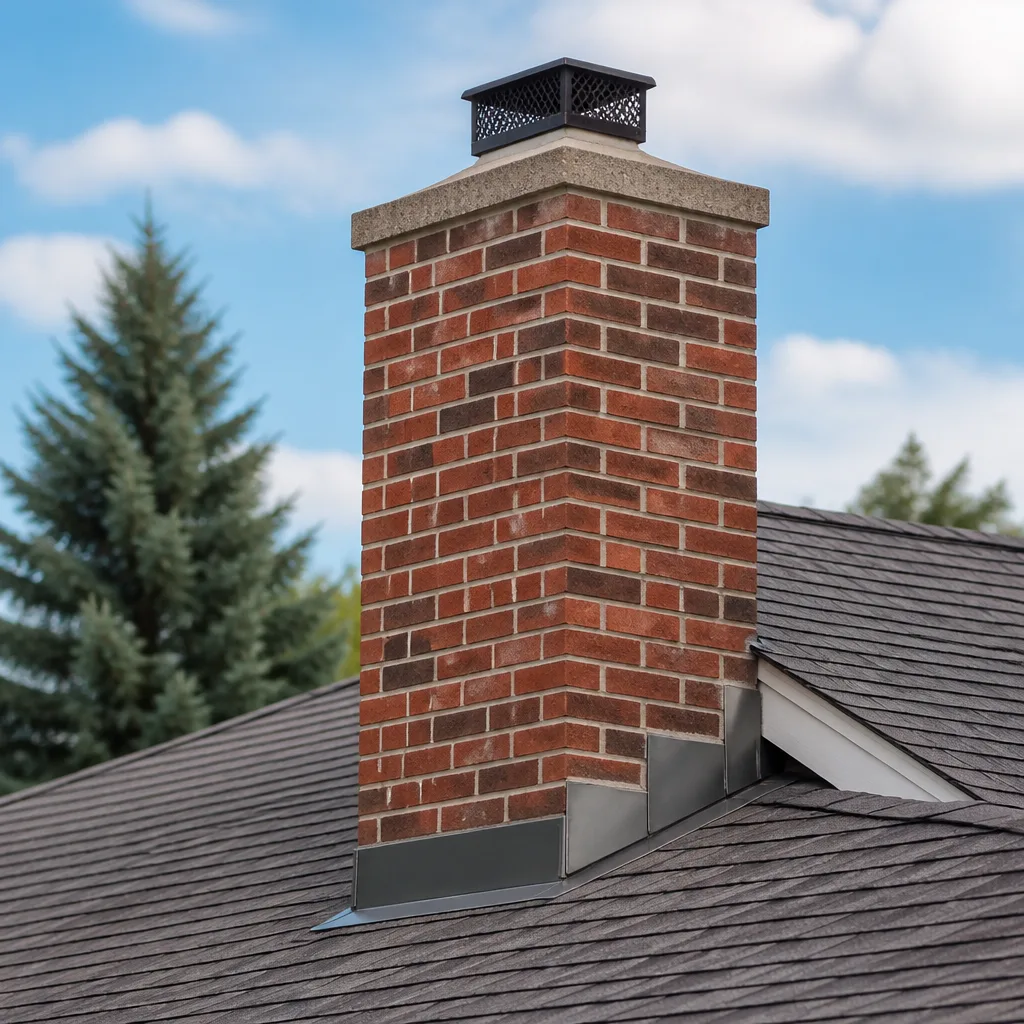
Moisture odor is musty and earthy rather than smoky, and it usually shows up in the basement, near the chimney breast, or on interior millwork around the chimney. That points to a chimney leak, not a fire issue. Common causes are a failing crown, a missing or damaged cap, cracked masonry, or deteriorating flashing at the roof line. Water getting into masonry doesn’t just smell; it degrades the structure with every freeze-thaw cycle. Getting a chimney cap & crown assessed is where we’d usually start.
Negative pressure odor is subtler. It’s the smell of outside air, soot, or a cold, stale smell, and it tends to appear in the evening when the house is sealed up and exhaust fans are running. You’re pulling flue air backward into the room, along with whatever’s sitting in the flue. Running a kitchen or bath fan for ten minutes with the fireplace closed and seeing if the smell gets worse is a reasonable diagnostic check.
One practical note: don’t try to “fix” a chimney odor by burning something. Lighting a small fire to burn off the smell works only if the draw is healthy and the deposits are light. If the flue is restricted or the pressure is wrong, a fire makes it worse.
The Diagnostic Value of a Level 2 Inspection
A standard sweep visit includes a Level 1 inspection: a visual check of accessible chimney components, the firebox, damper, and the flue as far as can be reached and seen. It’s the right inspection for a system with no history of problems that’s being serviced routinely. A Level 2 inspection uses a camera run through the flue and looks at internal surfaces, joints, offsets, and the liner interior. It’s the right inspection when symptoms point to a problem the eye can’t reach, or when the chimney has changed in a meaningful way: a new appliance, a flue liner replacement, a chimney fire, or a building renovation.
Here’s the short version of when each is warranted:
- Level 1 (routine). Annual maintenance on a system with no symptoms, no history of chimney fire, and no recent appliance changes.
- Level 2 (camera). Smoke rollback, weak draft, persistent odor, water intrusion, a liner of unknown condition, a new insert or appliance, or a past chimney fire. This is also the inspection a real-estate transaction usually calls for.
- Level 3. When a Level 2 finds a problem that requires opening walls or the chimney chase to confirm damage or plan a repair.
Why bother with the distinction? Because a camera inspection is the only way to see whether the draw problem is creosote or a cracked liner, and those have different fixes and different urgency. It also means we can tell you plainly when work can safely wait, and when it can’t. If you’ve been told you need a full reline and nobody showed you the evidence, that’s exactly the situation a camera inspection is designed to resolve. We run the camera and show you what’s on it. In our experience, a documented inspection is also the difference between a repair recommendation that makes sense to you and one you can’t verify.
When a flue does need restoration rather than rebuilding, we spec professional-trade materials for a reason. HeatShield ceramic resurfacing can restore a cracked or pitted flue liner without tearing into the chimney, but only when the liner qualifies. A DuraFlex flexible liner lets us size the flue correctly for the appliance and handle irregular or offset chimneys that would otherwise need extensive tear-out. Both are options a sweep-only company usually can’t offer, and both are decided by what the camera shows.
Problems That Look DIY-Fixable But Aren’t
The most expensive chimney repairs we get called for usually start as a weekend fix. A damper that sticks, a cap that blew off in a storm, a crown with a hairline crack. Each of these looks like a straightforward repair, and on a healthy chimney it might be. On a chimney that’s already compromised, fixing the visible symptom without checking what’s underneath it buries the real problem and lets it get worse.
Two examples come up again and again:
- The damper. A damper that won’t close, sticks open, or doesn’t seal properly gets replaced or “adjusted” without checking why it failed. Often the damper is fine and the liner above it is cracked, so the smoke and heat are going somewhere they shouldn’t. A new damper on a damaged liner just hides the symptom. Damper work is also hard on your hands and easy to do wrong; it’s a job best done with the right parts, which is why we spec Famco and Copperfield components rather than universal fit-alls.
- The cap. A missing or loose cap lets rain, snow, birds, and debris straight into the flue. Replacing the cap without inspecting the flue assumes nothing got in while it was off. A camera inspection is the only way to confirm that. It also matters for draw: a cap that’s too restrictive for the flue can cause its own draft problem, and the cap needs to be sized to the flue, not chosen off a shelf.
The general rule: on a chimney, anything you can see from the ground is the start of the diagnosis, not the end of it. The liner is where every fire sends its heat and its smoke, and it’s the one component nobody can see without a camera. Every fire you burn on a damaged liner puts more heat through the gap. We treat that as the reason to check before a repair, not after.
One safety caveat worth stating plainly: no homeowner should be climbing onto a roof or reaching into a flue to diagnose a problem. Roof work on steep or icy pitches is dangerous, and the flue interior is a confined space with sharp edges and hazardous deposits. Leave the climb and the camera work to a trained technician.
Richmond Hill Climate and Chimney Wear
Richmond Hill sits in a climate that puts real demands on a chimney system. Winters bring freeze-thaw cycling that works on masonry year after year, and the transition seasons are humid enough that masonry stays damp longer than it does in drier parts of the country. Both of those accelerate wear in ways that don’t show up until they’re advanced.
Freeze-thaw is the big one. Water gets into small cracks in the crown, the mortar joints, or the brick face. It freezes, expands, and widens the crack. The next cycle repeats. Over enough winters, hairline cracks become spalling brick and loose mortar, and the crown starts to break apart. That’s not a cosmetic issue on a chimney; the crown sheds water away from the flue, and once it fails, water gets into the chase and the flue itself.
Humidity in spring and fall is when creosote odor is worst, because deposits absorb moisture and release that sharp smell. It’s also when the draw is weakest, so it’s not unusual for a fireplace that worked fine all winter to smoke on the first fire of the fall.
What that means for troubleshooting in Richmond Hill: if a chimney problem appears in spring or fall, suspect moisture or creosote first. If it appears in winter, suspect draft or a restriction that the cold weather is aggravating. If it’s been slowly getting worse across several seasons, suspect structural wear. A documented assessment every year catches these before they compound.
Getting Ready Before the Heating Season
The best time to find a chimney problem is before you need the fireplace, not on the first cold night. Late summer and early fall are when we see the backlog build, and it’s also when issues that developed over the off-season are easiest to address without pressure.
A sensible checklist for getting ready:
- Book the inspection and sweep before the first fire. Routine annual service catches most problems while there’s still time to schedule any repair.
- Look at the cap and crown from the ground. A tilted cap, a visible crack in the crown, or missing mortar are all reasons to book a camera inspection rather than just a sweep.
- Test the damper. Open and close it a few times. If it sticks or doesn’t seal, note it for the technician.
- Check the firebox for loose brick or deteriorated mortar. Don’t patch over it; the mortar above it is usually worse than it looks.
- Clear the area around the hearth and make sure the chimney isn’t blocked by furniture or decor that would hide a problem.
- Test for negative pressure. Run the kitchen and bath fans for ten minutes with the fireplace closed and see if you get a backdraft smell.
If something on that list turns up, book a diagnostic visit rather than a sweep. If the whole list looks clean, a routine chimney sweep keeps the system compliant and inspection-ready and gives you a documented baseline for next year.
One last point on timing: a lot of chimney problems look urgent on the night they appear but aren’t. We’d rather tell you that plainly than push a same-day repair you don’t need. If your only fireplace night is a Saturday, we’re closed that day, but call and we’ll book you into the next opening, Sunday through Friday, 7am to 7pm.
Common Mistakes to Avoid
- Assuming a smoky fire always means “it needs a sweep.” Cleaning fixes a restriction. It doesn’t fix a flue that’s too short or a house with negative pressure. If the smoke comes back after a sweep, the problem was never creosote.
- Replacing a damper or cap without a camera inspection. The visible fix can bury a liner problem that gets worse with every fire. Confirm the flue first.
- Burning on a liner you’ve never had inspected. In a house that’s changed hands or had a fireplace unused for years, the liner condition is unknown until it’s been seen. That’s the whole point of a Level 2 inspection.
- Patching a crown or firebox crack without diagnosing why it cracked. Cracks come from water intrusion and settlement as much as anything; a patch over a wet chimney fails within a season.
- Choosing whoever is cheapest. A cheap sweep that doesn’t inspect the liner can miss the one problem that actually matters. Insist on a documented assessment before anything is recommended.
- Ignoring seasonal odor. A spring or fall smell is easy to dismiss, but it’s often the earliest sign of creosote buildup or moisture. Both get worse, quietly.
- Skipping the annual inspection. In Richmond Hill’s freeze-thaw climate, a year is enough for a small crack to become a structural repair. The inspection is the cheap part.
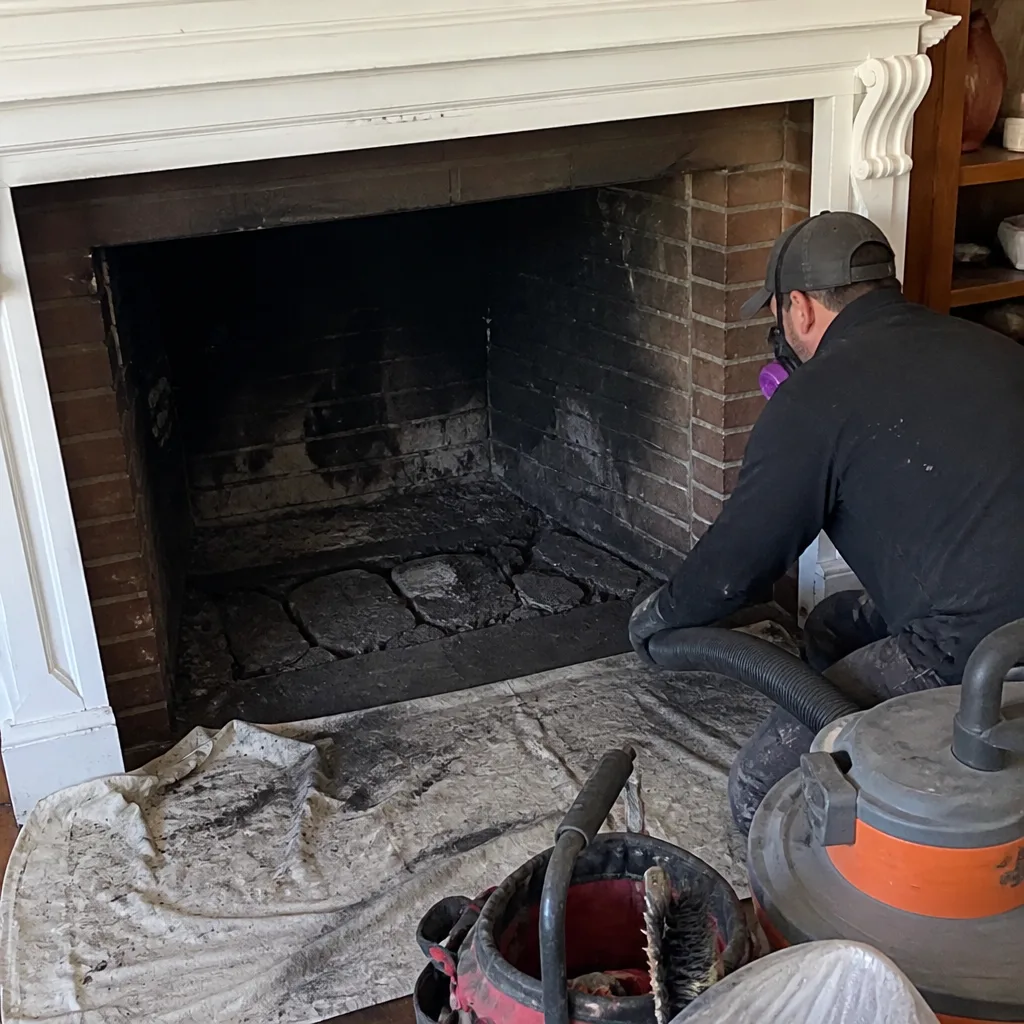
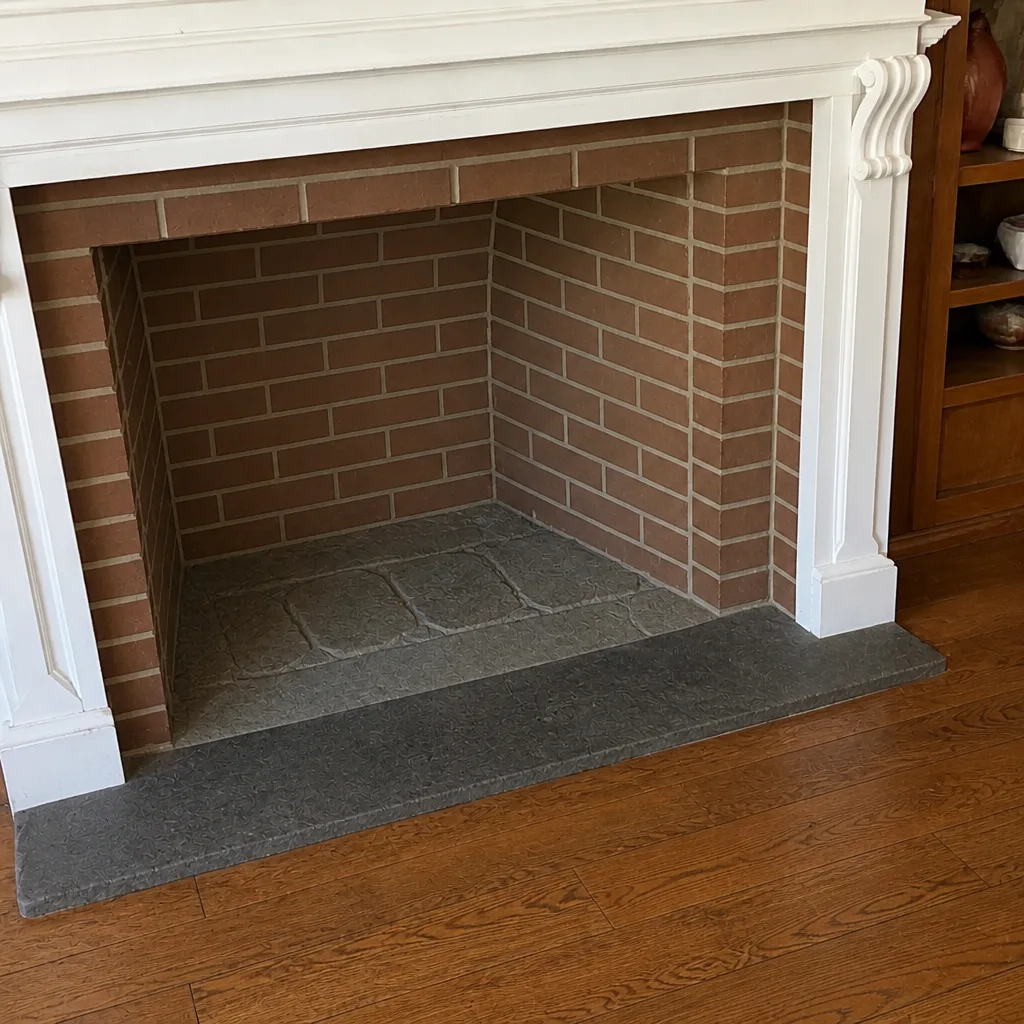
See the difference
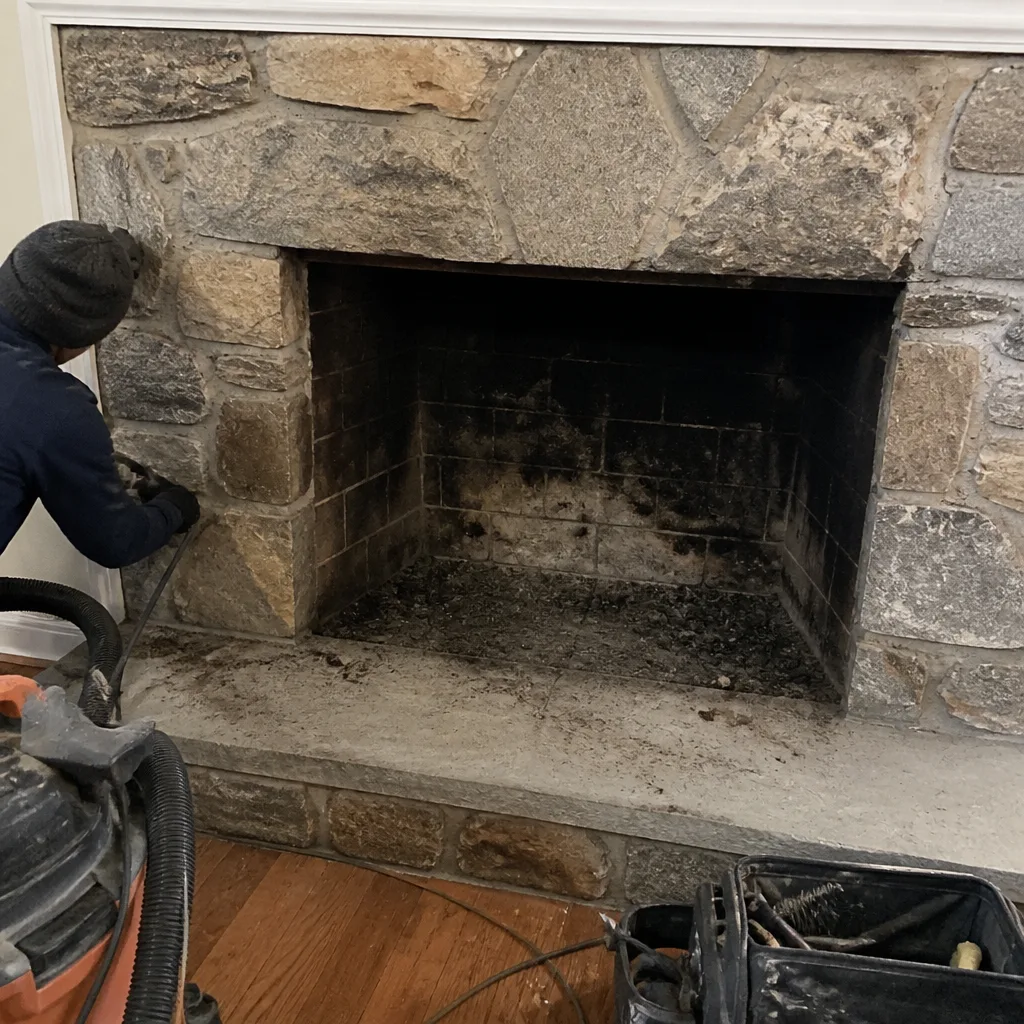 Before
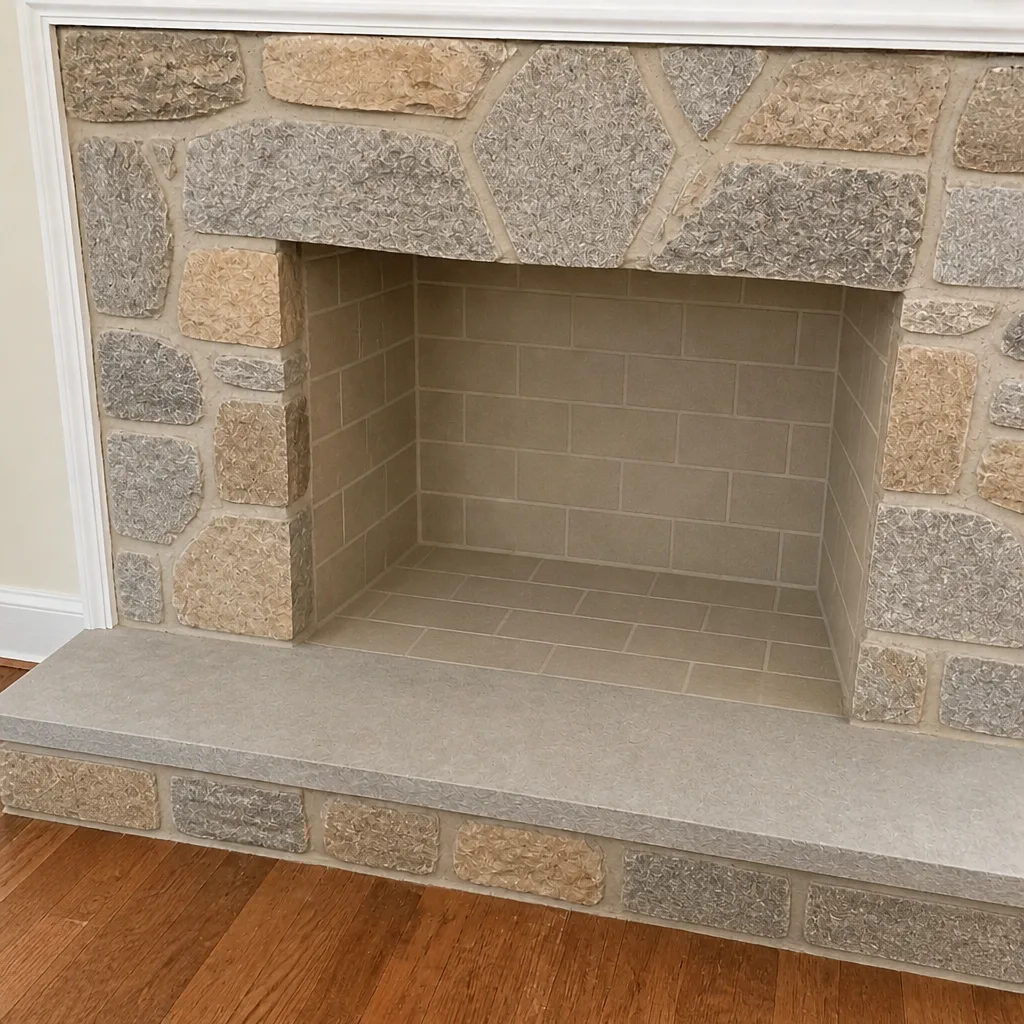 After
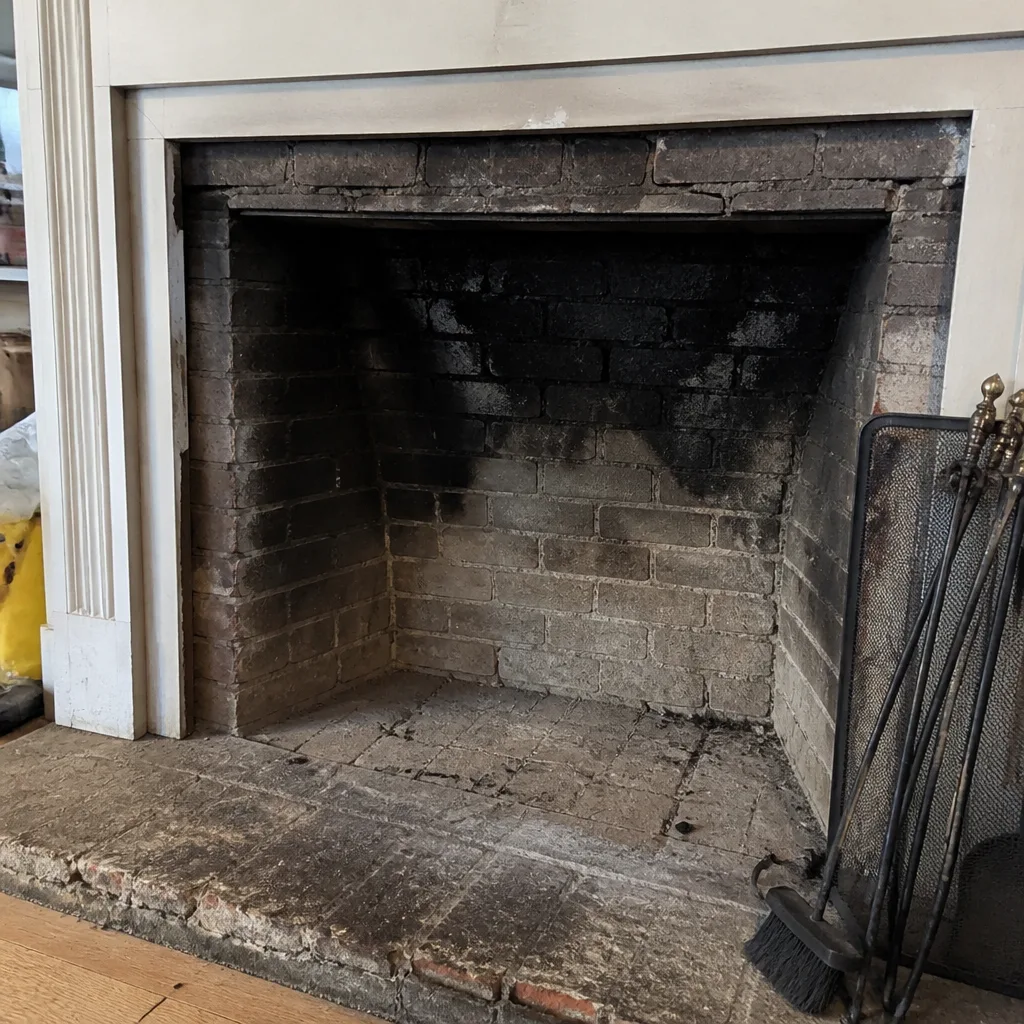 Before
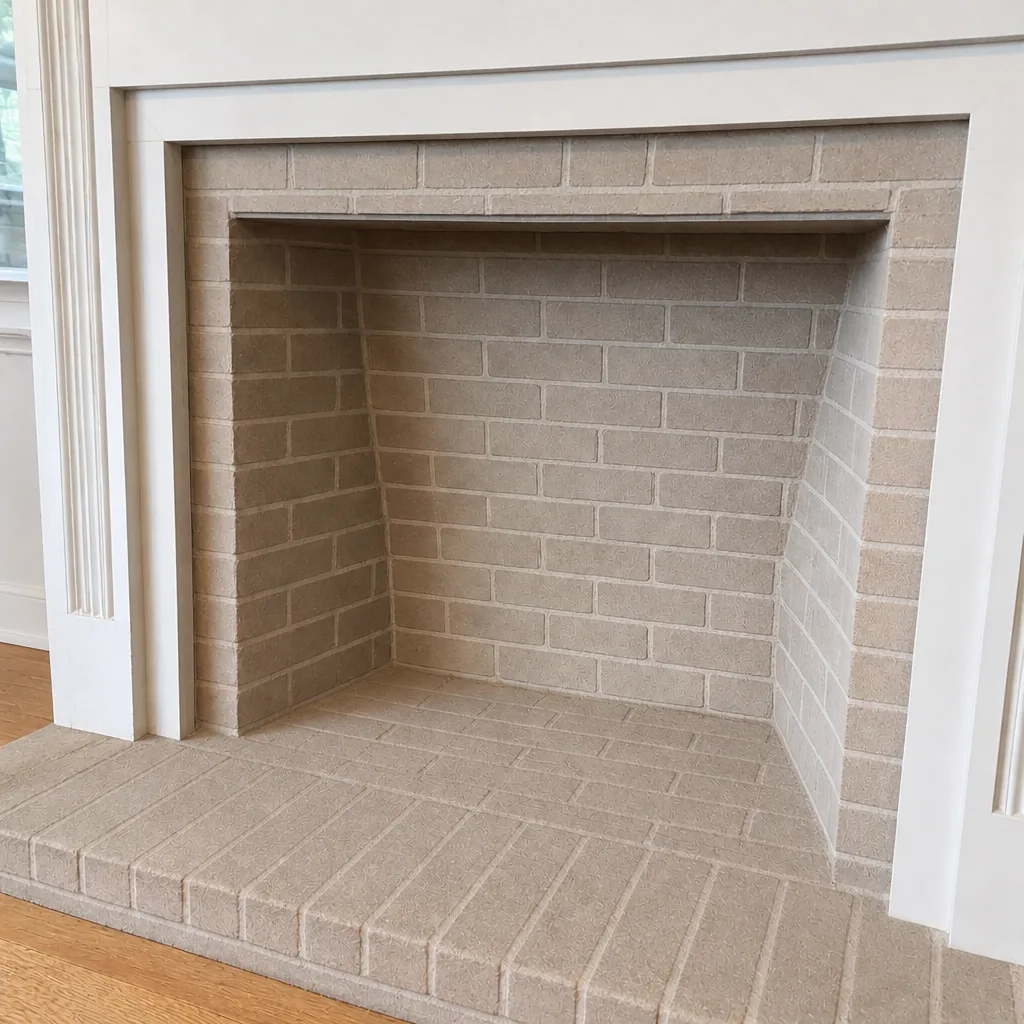 After
 Before
 After
When to Call a Professional
Some symptoms are worth a specialist call right away. Smoke rolling into the room, a persistent chemical or smoky smell with no fire burning, water stains near the chimney, or a damper that won’t seal all point to a problem a sweep alone may not solve. Any past chimney fire, a recently installed insert, or a liner of unknown condition also warrants a camera inspection. And anything you can see from the roof, whether it’s a tilted cap or cracked crown, should be checked by someone with the right equipment. Our technicians have up to 15 years of experience. Chimney Sweep Richmond Hill offers free estimates in Richmond Hill; call (888) 846-8349. We answer 24/7. Fast dispatch from 7am to 7pm, Sunday through Friday.
Frequently Asked Questions
Because the sweep cleaned a chimney that didn’t have a creosote problem. Smoke rollback after a clean sweep usually points to a structural draft issue: the flue is too short or oversized for the firebox, the liner is cracked or disconnected, or negative pressure in the house is pushing air down the chimney. The fix depends on which one it is, and a camera inspection is how you tell. Call (888) 846-8349 for a free estimate. We answer 24/7. Fast dispatch from 7am to 7pm, Sunday through Friday.
Once a year for most homes with a regularly used fireplace, and more often if you burn a lot of wood or notice symptoms like weak draft, smoky fires, or seasonal odor. Richmond Hill’s freeze-thaw winters make annual inspection useful even when a sweep isn’t needed, because masonry wear shows up incrementally. A sweep plus inspection keeps the system inspection-ready and gives you a documented baseline to compare against. Call (888) 846-8349 to book one.
Not always, but it’s worth taking seriously. Smoky campfire odor is usually creosote deposits reacting to moisture. Musty, earthy odor means water is getting into the masonry through a failing crown, cap, or flashing. A cold, stale, soot smell that appears when exhaust fans run is negative pressure drawing flue air into the room. Creosote and moisture both get worse if ignored. A free estimate tells you which one you have. Call (888) 846-8349.
Yes, when you have symptoms or a change in the system. A standard sweep includes a visual check of accessible components. A camera run through the flue shows the liner interior, joints, and offsets you can’t see otherwise. If you have smoke rollback, odor, water intrusion, a new insert, or a past chimney fire, the camera is the only way to know what’s actually there. If your system is healthy and routinely serviced, a Level 1 check is enough. Call (888) 846-8349 with questions.
It can be a legitimate repair or it can be an upsell, and the difference is whether the company shows you the evidence. We don’t recommend a liner replacement without a camera inspection that shows a cracked, pitted, or disconnected liner, and we won’t tell you it’s urgent when it can wait. When a liner does need work, HeatShield resurfacing or a DuraFlex reline can often repair the flue without tearing into the chimney. Call (888) 846-8349 for a free estimate.
Nothing dramatic in any single year, which is why it’s easy to skip. The risk is incremental: creosote builds up season by season and narrows the flue, small cracks from freeze-thaw widen, and a damaged liner lets heat and smoke into places they shouldn’t go. Chimney fires and carbon monoxide risk both increase with a restricted or compromised flue. The annual inspection is the cheapest way to catch a problem while it’s still small. Call (888) 846-8349. We answer 24/7. Fast dispatch from 7am to 7pm, Sunday through Friday.
The Bottom Line
Chimney troubleshooting starts with the symptom, not the fix. Smoke rollback, weak draft, and mystery odors may come from creosote buildup, structural draft problems, moisture intrusion, or negative pressure, and the fixes are different for each. In Richmond Hill, freeze-thaw winters and humid shoulder seasons make annual inspection the cheapest insurance against a small problem becoming a structural one. The best tool you have is a camera inspection that shows you what’s actually there before anyone recommends work, and a willingness to ask for the evidence. If you’re seeing symptoms you can’t explain, the sooner you get an answer, the easier the repair.
Chimney Sweep Richmond Hill performs chimney sweeping, inspection, cap and crown installation, chimney repair, and fireplace repair, using professional-trade materials from HeatShield, DuraFlex, Famco, and Copperfield. Call (888) 846-8349 for a free estimate. We answer 24/7. Fast dispatch from 7am to 7pm, Sunday through Friday.
Written by the team at Chimney Sweep Richmond Hill.