
Last updated November 25, 2026
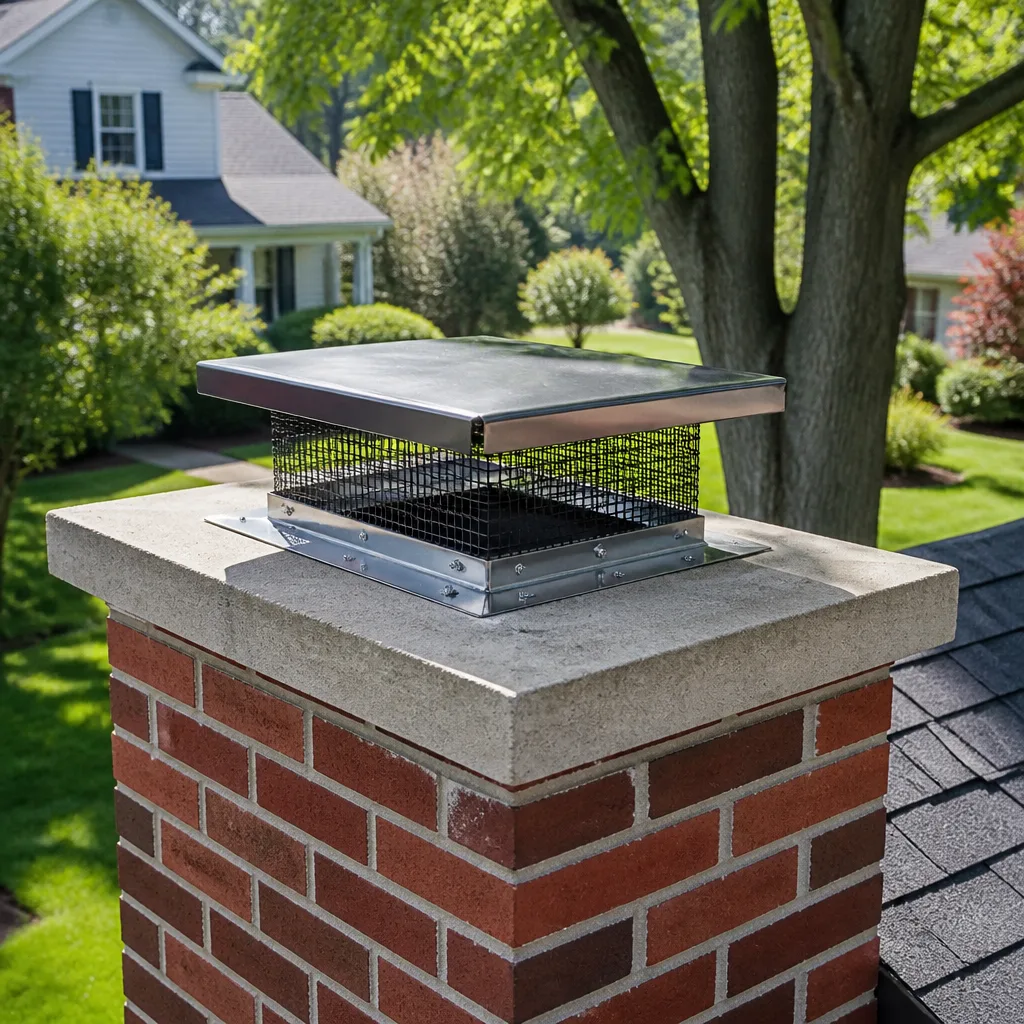 Sweep & inspection
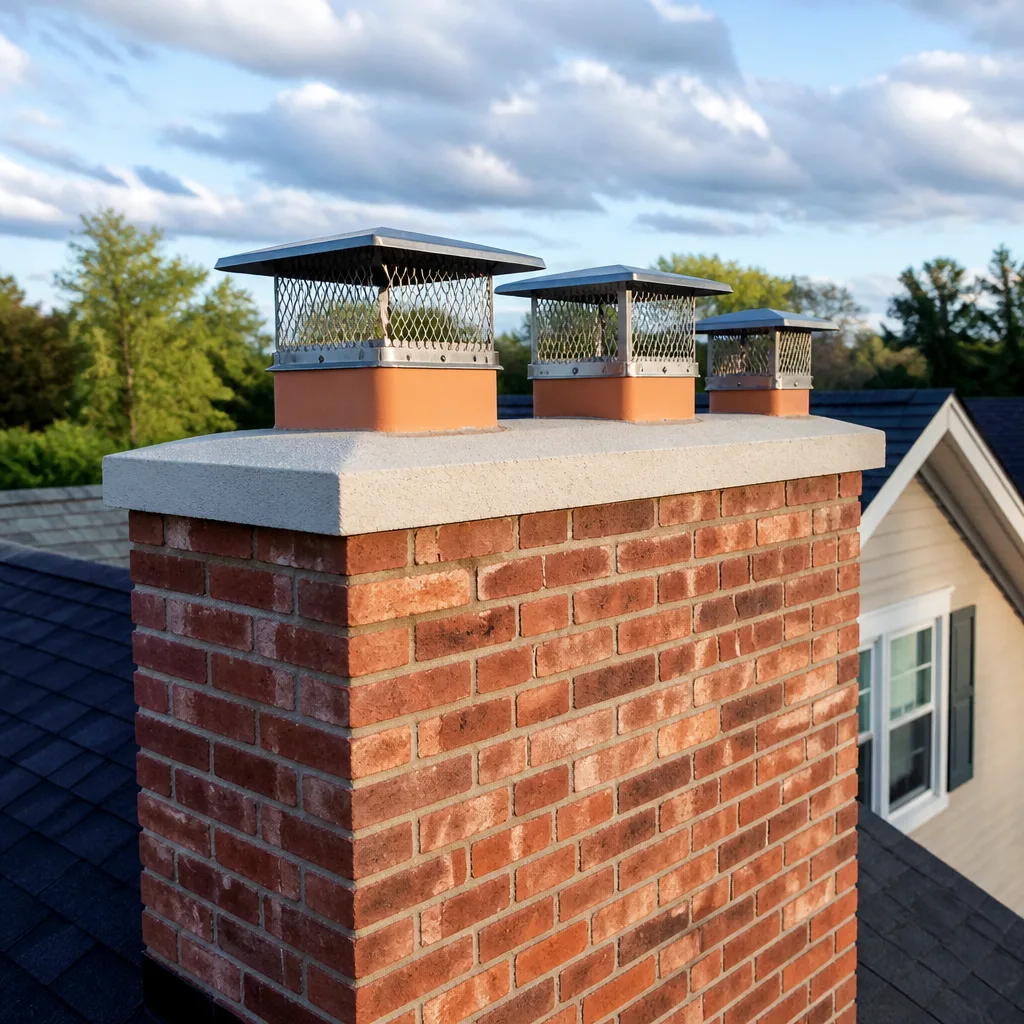 Caps & crowns
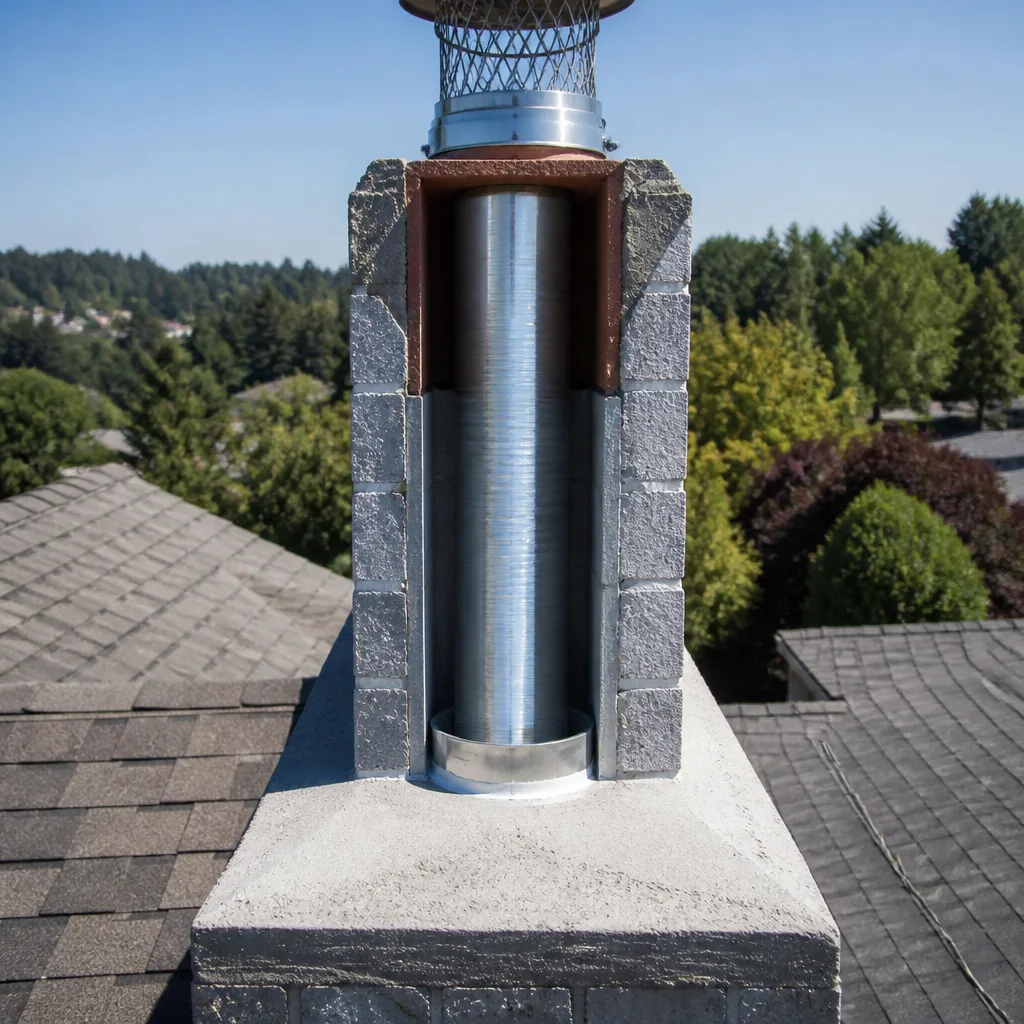 Flue relining
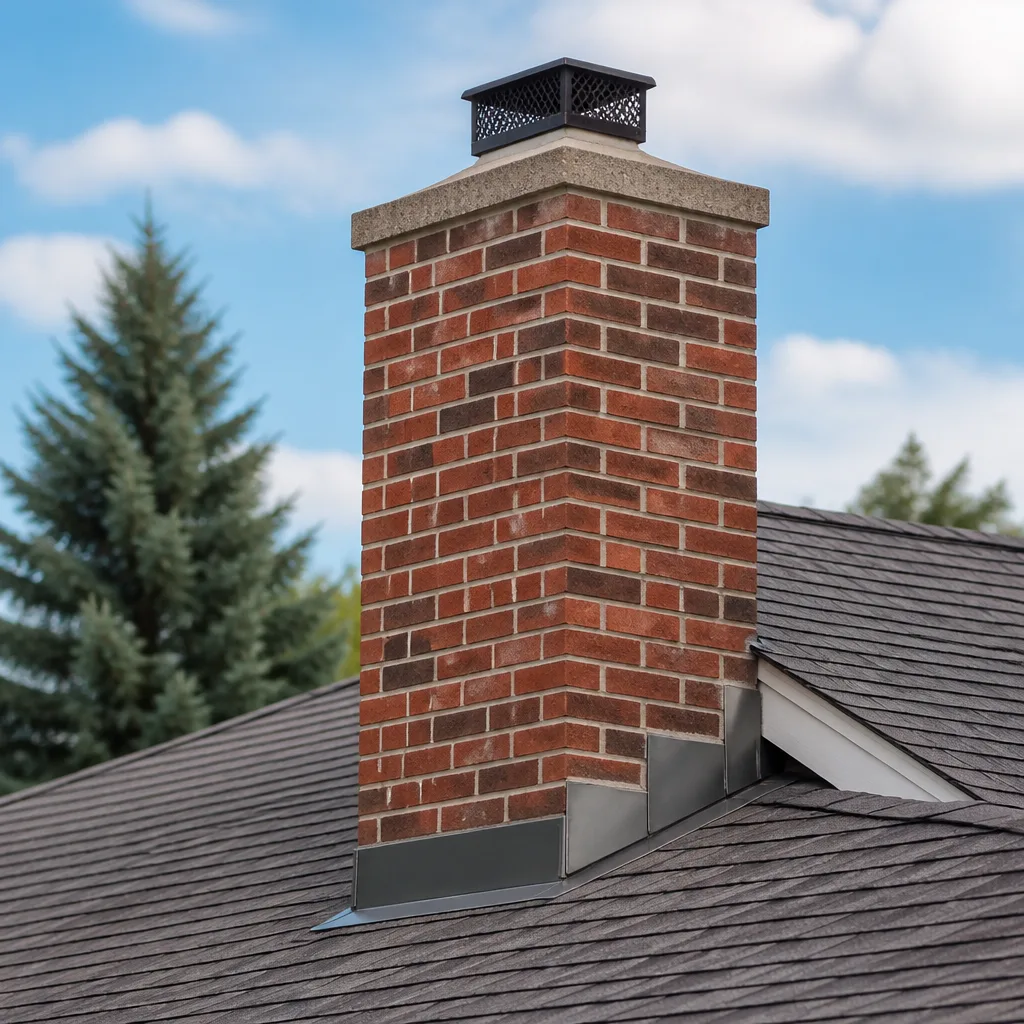 Masonry repair
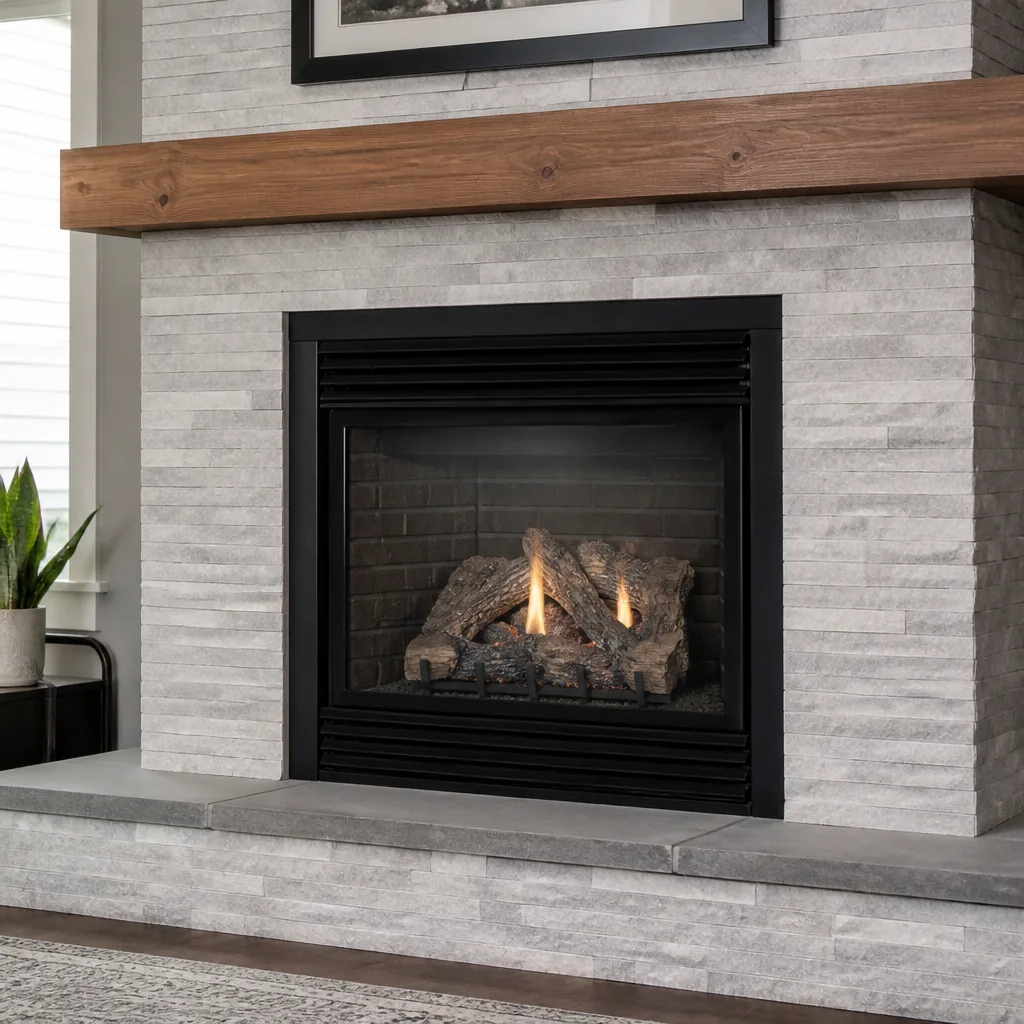 Gas fireplace service
Level 1 sweep and inspection to the NFPA 211 annual standard - flue, crown, cap, and flashing checked and photographed
Chimney sweep logs do not sweep chimneys. They loosen some creosote - which then falls where a brush and vacuum still have to collect it.
Most Richmond Hill chimneys were built to vent coal or oil, not the gas inserts and wood-burning stoves burning inside them today. That mismatch is where a real chimney cleaning starts. A sweep who only brushes what they can reach and leaves without checking flue size, liner condition, or crown integrity has skipped the part that actually matters. This guide walks through what a proper cleaning involves in Richmond Hill, why the neighborhood’s pre-war and mid-century housing stock creates conditions you won’t find in newer construction, and what the three inspection levels under NFPA 211 actually mean. By the end, you’ll know what you’re paying for before anyone shows up.
Quick Answer
A proper chimney cleaning in Richmond Hill is a documented diagnostic process, not just a brush-and-go. It starts with a Level 1 inspection (and escalates to Level 2 or 3 when conditions call for it), identifies the creosote stage in your flue, and confirms that your liner is correctly sized for what you’re burning. If your chimney was converted from oil to gas, or if the clay tile liner is oversized for a modern appliance, the sweep should flag it – because an oversized flue runs cold, builds creosote faster, and can fail to draft properly.
Table of Contents
- Why Richmond Hill Chimneys Are Different
- What a Professional Chimney Cleaning Actually Involves
- Level 1, 2, and 3 Inspections: Which One Do You Need?
- Creosote Stages Explained (Class 1, 2, 3)
- The Oil-to-Gas Conversion Problem
- The Step-by-Step Sequence of a Professional Sweep
- What Affects the Cost of a Chimney Cleaning in Richmond Hill
- DIY vs. Professional Cleaning: When Each Makes Sense
Why Richmond Hill Chimneys Are Different
Richmond Hill’s housing stock spans roughly a century of construction, and each era left behind a different chimney. The pre-war houses on the older residential blocks often have oversized clay tile liners originally sized for coal furnaces. Mid-century homes added brick chimneys designed for oil-fired boilers. Later conversions swapped in gas inserts or wood stoves – without resizing the flue. That layering is why a one-size-fits-all sweep doesn’t work here.
The conditions we see most often in Richmond Hill:
- Oversized clay tile liners that were correct for a coal or oil appliance but now run too cool for a modern gas insert, encouraging condensation and creosote buildup.
- Settled or cracked crowns after decades of freeze-thaw cycles. A deteriorated crown lets water into the masonry, which then spalls the brick face.
- Spalling brick on the chimney’s exterior, where moisture trapped behind the surface pushes flakes of brick off during cold snaps. This is common on Richmond Hill chimneys that haven’t been repointed in decades.
- Missing or improvised caps that let rain, birds, and squirrels directly into the flue.
- Oil-to-gas conversion chimneys that were never relined or downsized after the appliance change.
None of this is unusual for a Richmond Hill chimney – but all of it needs to be documented before a sweep makes recommendations. Our inspection-first workflow is built around that: every job begins with a documented assessment, so repair recommendations tie back to observed conditions rather than assumptions about what an older chimney “probably” needs. If you want to schedule the sweep itself first, that’s here: chimney sweep.
What a Professional Chimney Cleaning Actually Involves
A chimney cleaning covers the full flue path from the top of the crown to the opening of the firebox, plus the smoke chamber and damper. It is not just the flue. A sweep who skips the smoke chamber leaves the most creosote-prone surface in the system untreated.
A complete cleaning includes:
- Crown and cap check – inspecting the concrete crown for cracks and confirming the cap is intact and correctly sized to keep animals and water out.
- Flue brushing – running a poly brush through the full length of the flue to break up soot and creosote, with the stage of creosote determining the brush type.
- Smoke chamber – the sloped area directly above the damper. This is where creosote concentrates and where a standard brush often doesn’t reach without a dedicated smoke-chamber tool.
- Damper check – confirming the damper opens fully and seals correctly when closed.
- Firebox cleaning – removing ash and debris, and inspecting the firebrick or fireback for cracks.
- Documentation – photos of the flue interior, notes on creosote stage, and any observed conditions that need attention.
What you should see when the sweep finishes: a clean flue with no visible soot on the smoke chamber walls, clear photos of what was found, and a written record of the creosote stage observed. If a company can’t show you the inside of your flue after cleaning it, ask why.
Level 1, 2, and 3 Inspections: Which One Do You Need?
The three inspection levels come from NFPA 211, the national standard for chimneys, fireplaces, vents, and solid-fuel appliances. Which level applies depends on what’s changed since the last inspection and whether the appliance is being replaced.
Level 1 Inspection
A visual check of the readily accessible portions of the chimney and vent system, including the firebox, damper, and visible flue. This is the standard annual inspection for a chimney that is in continuing service with no changes to the appliance or fuel type. It is what a routine sweep includes.
Level 2 Inspection
A Level 2 inspection adds a video scan of the flue interior and full access to the attic and crawl spaces where the chimney passes through. It is required when a home changes ownership, when the appliance or fuel type changes (an oil-to-gas conversion, for example), or after a chimney fire or earthquake. In Richmond Hill, oil-to-gas conversions are the most common trigger for Level 2.
Level 3 Inspection
A Level 3 inspection is diagnostic and may include removing parts of the chimney or building to reach concealed areas. It’s used when a Level 1 or 2 inspection reveals a serious hazard that can’t be evaluated from the outside. It’s rare, but it happens after suspected chimney fires or when a flue has clearly failed internally.
When you book an inspection, ask which level applies and why. A sweep who can’t answer that question is guessing.
Creosote Stages Explained (Class 1, 2, 3)
Creosote is a byproduct of incomplete combustion, and it forms in three stages that determine how the flue gets cleaned. Identifying the stage correctly on the first visit is what decides the cleaning method, the time it takes, and whether a professional-service cleaning chemical is necessary.
- Class 1 (Stage 1) creosote: Sooty, flaky, and easily brushed away with a standard poly brush. Common in chimneys that are swept regularly and run with properly seasoned wood.
- Class 2 (Stage 2) creosote: A crusty, flaky layer that clings to the flue walls. Often requires a firmer brush, a rotary tool, or a professional-grade chemical treatment to break down before brushing. This stage is common in Richmond Hill chimneys that have run a mix of wood and unseasoned fuel over many seasons.
- Class 3 (Stage 3) creosote: A glazed, hardened deposit that has essentially baked onto the flue liner. This is the stage most associated with chimney fire risk. Class 3 creosote often cannot be safely removed by brushing alone, and in some cases the liner has to be resurfaced or replaced.
The stage you have matters because the wrong cleaning method wastes time at best and damages the liner at worst. When we identify Stage 2 or 3 on a Richmond Hill chimney, we usually pair the cleaning with a closer look at the liner – a liner that has been running with glazed creosote long enough often needs HeatShield resurfacing or a DuraFlex flexible liner rather than just a sweep.
The Oil-to-Gas Conversion Problem
An oil-to-gas conversion is where a lot of Richmond Hill chimney problems start. When a house switches from oil to gas, the new appliance vents a different volume of exhaust at a different temperature. The original flue was sized for oil. If nobody resized it during the conversion, several things go wrong:
- The flue is too large for the appliance, so the exhaust cools and drafts poorly. Cool flue gases condense on the liner walls, leading to moisture and accelerated corrosion.
- The liner material is often wrong for the new fuel. Gas appliances produce more water vapor than oil, which can rot an unlined or improperly lined masonry flue from the inside.
- Draft problems show up as backflow – smells, soot stains near the draft hood, or the appliance shutting off on a safety switch.
The correct fix is a liner that matches the appliance: a properly sized flexible liner. We install DuraFlex flexible liner systems on-site, which lets us get the flue sizing correct even in older Richmond Hill chimneys with irregular or offset flues. A flexible liner solves the sizing problem without a full chimney rebuild.
If a flue has already started to deteriorate from years of undersized conversion work, resurfacing can sometimes restore it first. HeatShield ceramic resurfacing technology is a repair method that restores a deteriorated flue liner without full demolition – an option most sweep-only companies can’t offer. If you’re not sure which route applies, our chimney repair team can walk through the options once the flue has been documented.
The Step-by-Step Sequence of a Professional Sweep
Every sweep follows a documented sequence. Here is the order a properly trained technician works in, and what gets checked at each stage:
- Exterior crown and cap. Check the concrete crown for cracks and the cap for damage or animal intrusion. Note crown condition for later repair recommendations.
- Flue from the top down. Run the correct brush based on the creosote stage observed. A rotary tool is used for Stage 2; Stage 3 requires specialist assessment before any brushing.
- Video scan of the flue. On a Level 2 inspection, a camera confirms the interior condition of the liner after brushing – cracks, gaps, and offset joints all show up here.
- Smoke chamber. Clean the sloped chamber above the damper where creosote concentrates. Confirm no cracks are compromising the seal.
- Damper. Check operation and sealing.
- Firebox. Remove ash and inspect firebrick, fireback, and the firebox floor for cracks.
- Documentation and report. Hand over photos and notes. Any recommended repair should tie directly to something visible in the photos.
The order matters because a malfunctioning damper or a cracked smoke chamber can be missed if the flue is cleaned without checking those elements first. When you’re ready to schedule a sweep, the main page is here: Chimney Sweep Richmond Hill.
What Affects the Cost of a Chimney Cleaning in Richmond Hill
There’s no single price for a chimney cleaning because the job’s actual scope varies more than most homeowners expect. Here’s what changes the number:
- Creosote stage. Class 1 sweeps are quick. Class 2 requires chemical treatment or rotary tools and takes longer. Class 3 may push the job into liner assessment territory.
- Flue condition. An offset flue, a broken tile, or a heavily glazed surface all add time.
- Inspection level. A Level 1 inspection is included with a routine sweep. A Level 2 adds a video scan and attic/crawlspace access.
- Access. Rooftop access, chimney height, and any safety concerns affecting how the technician reaches the crown.
- Repair work if needed. A cap or crown repair, a spot of repointing, or a liner resurface all get quoted separately as part of the same visit or as a follow-up.
We quote per job and put the price in a written estimate after the inspection. Nothing gets added to the bill without being agreed in advance. For a cost estimate specific to your Richmond Hill chimney, call (888) 846-8349 and we’ll set up a walkthrough. Estimates are free. We answer 24/7. Fast dispatch from 7am to 7pm, Sunday through Friday.
DIY vs. Professional Cleaning: When Each Makes Sense
For a homeowner with a wood-burning fireplace that gets light use and has been swept recently, some routine upkeep – like clearing ash and confirming the damper works – is reasonable. But the moment creosote buildup is visible in the flue or the firebox, a professional sweep is required. The distinction is partly safety and partly documentation.
Safe to do yourself:
- Clearing ash from the firebox after the firebox has cooled.
- Confirming the damper opens and closes smoothly.
- Visually checking the exterior chimney crown for standing water or obvious cracks (from the ground, not the roof).
Not safe to do yourself:
- Climbing onto the roof to inspect or brush a flue – chimney height and roof pitch make this a fall risk.
- Removing Class 2 or Class 3 creosote – the chemicals and rotary tools are professional-grade, and mishandling them can damage the liner.
- Inspecting the flue interior – without a video scan, you can’t see cracked tiles or hidden gaps.
- Any repair work on a crown, cap, or liner.
One company handling sweep, inspection, and any repair that comes up means no handoff to a second contractor and no “I’ll have someone call you” gaps. If a repair does come up, we use the same professional-trade brands we install on every job – HeatShield, Gelco, Famco, and Olympia Chimney. These aren’t hardware-store substitutes.
Styles & brands we work with
- Sweep & inspection
- Caps & crowns
- Flue relining
- Masonry repair
- Gas fireplace service
Common Mistakes to Avoid
- Skipping the smoke chamber. A sweep who only brushes the straight flue leaves the most creosote-prone surface in the system untouched. Ask specifically whether the smoke chamber was cleaned.
- Assuming a newer home doesn’t need a sweep. Richmond Hill homes built in the last few decades still need annual inspection – the flue may already be undersized for the appliance that’s venting into it.
- Hiring on price alone. A low quote often means the smoke chamber and damper aren’t being checked. Make the written scope match the written price.
- Ignoring the crown. A settled or cracked crown lets water into the masonry. Over a few Richmond Hill winters, that’s how spalling brick and interior water damage start.
- Running an oil-to-gas conversion without a reline. If the flue is still sized for oil, the new gas appliance will draft poorly and rot the liner from the inside out.
- Waiting until the fireplace smells. A smoky fireplace in the fall is often the last symptom of a problem that started the previous season. Sweep before the first burn.
- Assuming an inspection needs to be redone every year. Level 1 annual is standard; Level 2 or 3 is triggered by a change – new appliance, new home, or a suspected chimney fire.
- Not asking for photos. If you can’t see what the sweep saw, you can’t judge whether a repair recommendation makes sense. Any professional visit should end with visual documentation.
See the difference
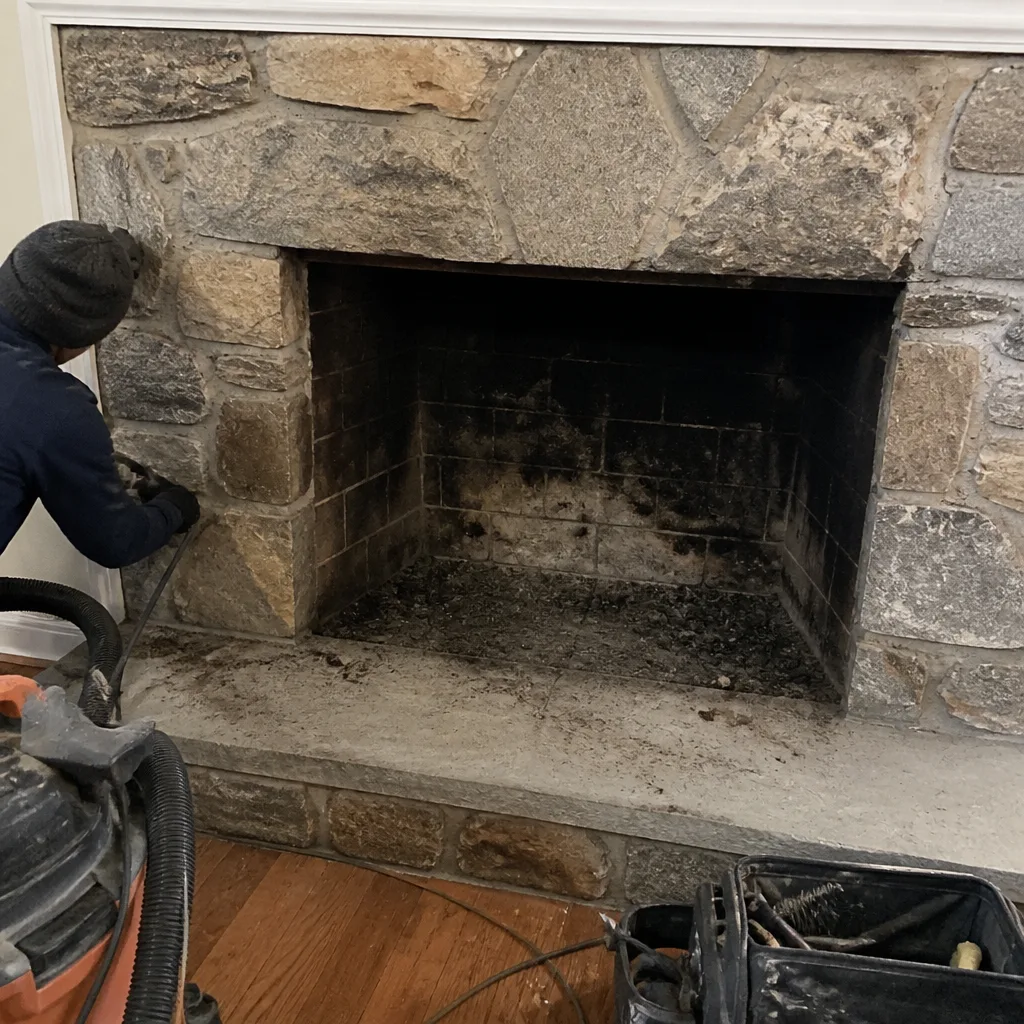 Before
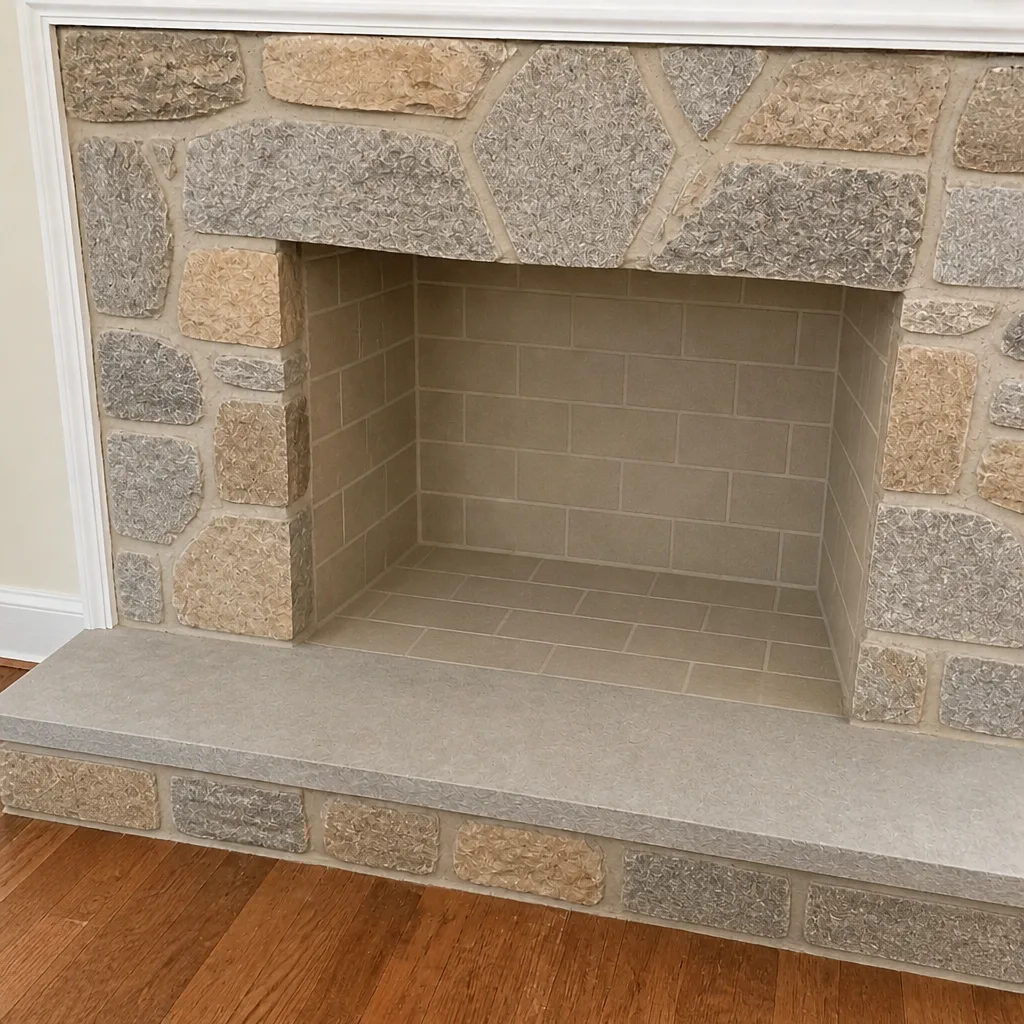 After
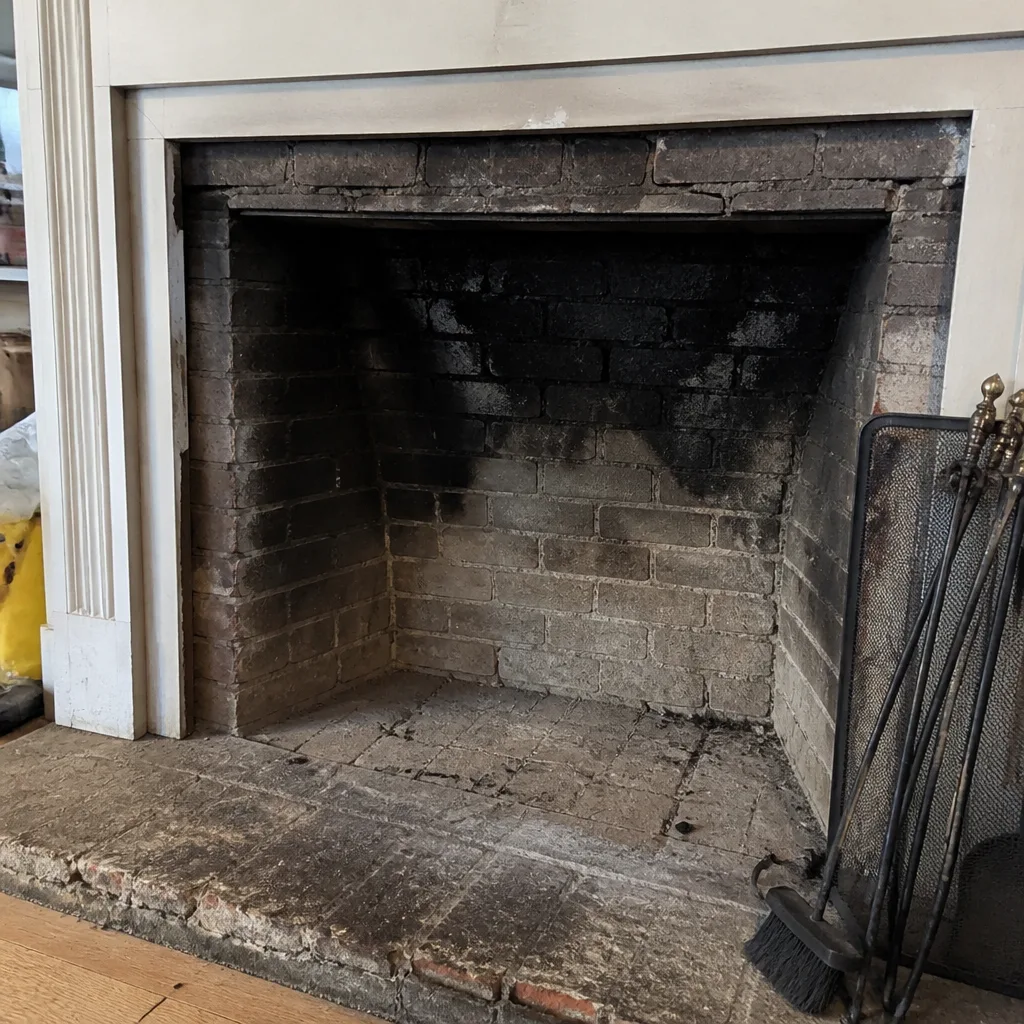 Before
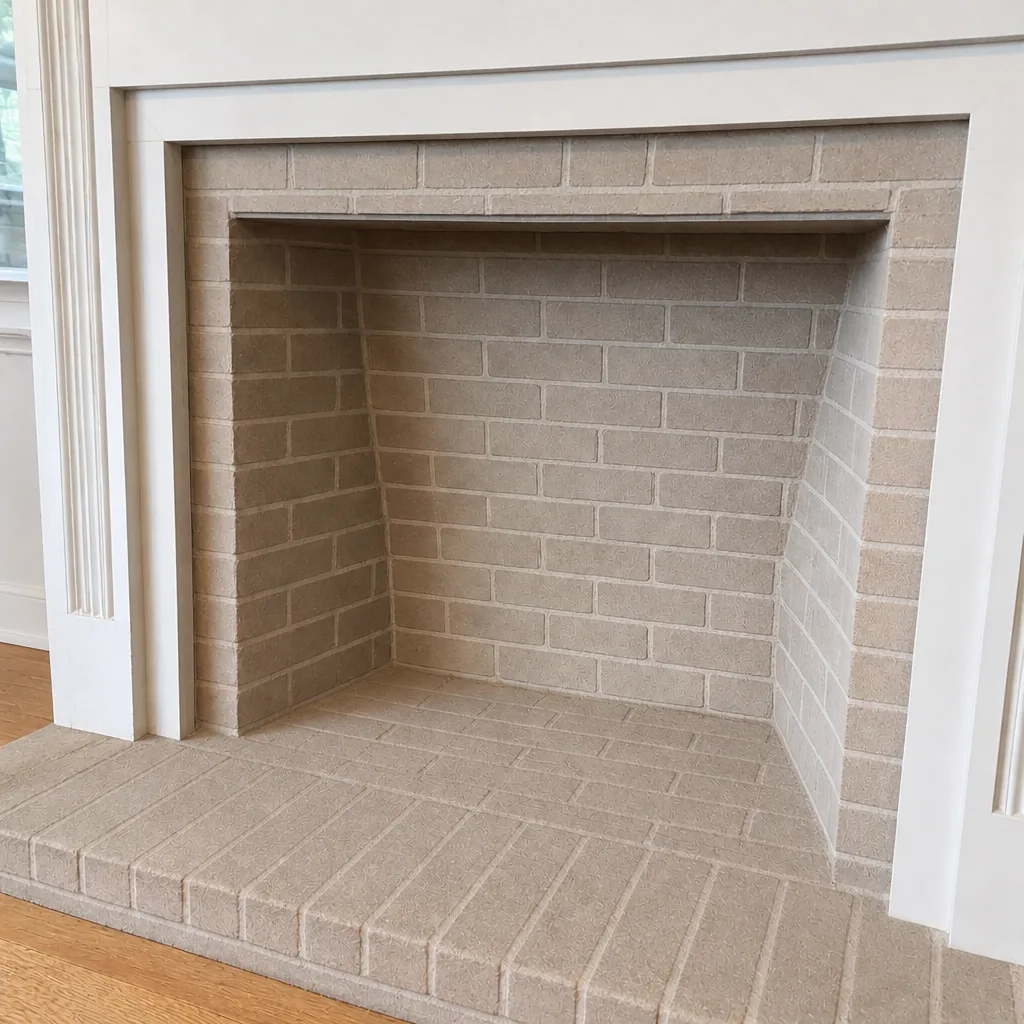 After
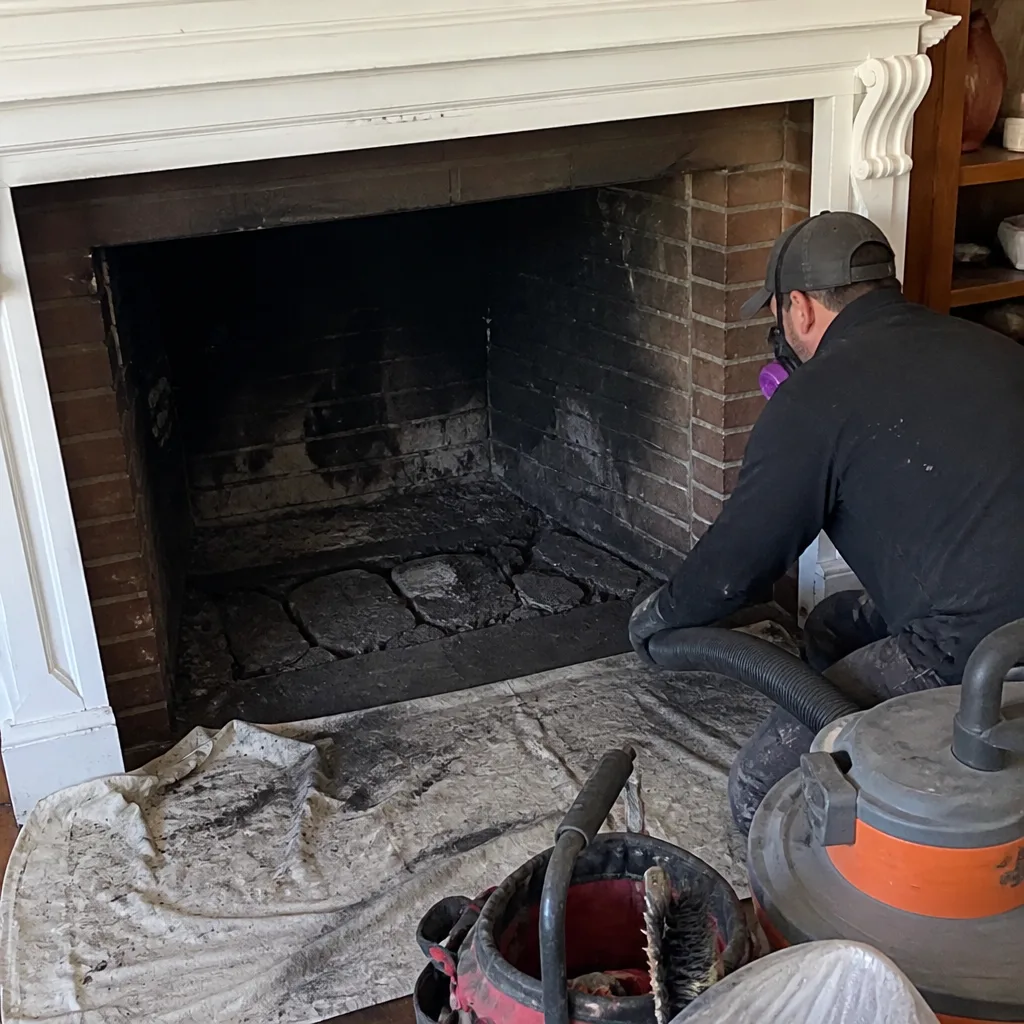 Before
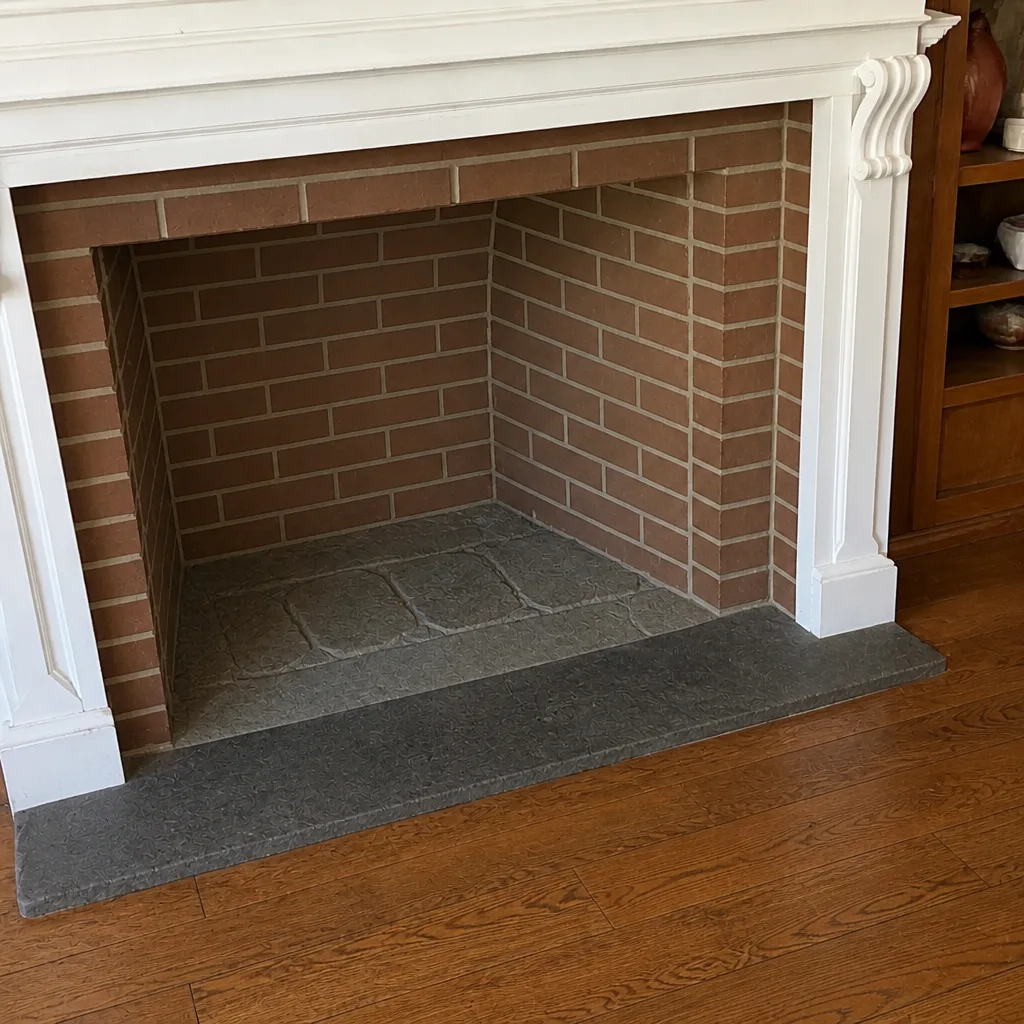 After
When to Call a Professional
Call a professional sweep in Richmond Hill when any of these apply: you haven’t had the chimney inspected in the past year, you’re burning wood that has visible soot buildup in the firebox, you’ve recently switched from oil to gas, you’ve just bought the house and don’t know when the chimney was last serviced, or you’ve had a chimney fire (even a small one) at any point. You should also call if the fireplace smokes into the room, if the flue smells at the start of the season, or if you can see cracked tiles in the flue interior. If the damage is visible from outside – a settled crown, loose cap, or spalled brick – a chimney inspection should be paired with a repair estimate. Chimney Sweep Richmond Hill offers free estimates in Richmond Hill – call (888) 846-8349. We answer 24/7. Fast dispatch from 7am to 7pm, Sunday through Friday.
Frequently Asked Questions
Once a year for a chimney in regular use, and before the start of every burn season. NFPA 211 recommends an annual Level 1 inspection, and most Richmond Hill houses with a wood-burning fireplace or insert benefit from a cleaning at the same visit. Homes with heavy use – daily fires through the winter – sometimes need a midseason check too. Call (888) 846-8349 for an exact quote – estimates are free.
A sweep cleans the flue and firebox. An inspection assesses the condition of the full system – crown, cap, flue, smoke chamber, damper, and firebox – and documents any issues. A professional visit usually combines both, because you can’t responsibly sweep a flue you haven’t inspected. If the inspection reveals a change in appliance or fuel type, it escalates to a Level 2 with a video scan. Call (888) 846-8349 for an exact quote – estimates are free.
Class 1 creosote is sooty and brushes off easily. Class 2 is crusty and requires a professional chemical treatment or rotary tool to break down. Class 3 is glazed and hardened onto the liner – the stage most associated with chimney fire risk – and often requires liner assessment before any repair can proceed. The stage observed during your sweep determines the cleaning method, not the other way around. Call (888) 846-8349 for an exact quote – estimates are free.
Usually yes, or at least a properly sized flexible liner. Gas appliances vent different exhaust volumes at different temperatures than oil, so the original flue is often oversized after conversion. An oversized flue drafts poorly and can rot the liner from the inside. DuraFlex flexible liner systems can be installed on-site and sized to the new appliance without a full chimney rebuild. Call (888) 846-8349 for an exact quote – estimates are free.
In many cases, yes. HeatShield ceramic resurfacing restores a pitted or cracked flue liner from the inside, without demolition, when the liner is intact enough to support the resurfacing. Your sweep should confirm the liner qualifies before recommending it – a badly damaged liner may still require a full reline. Call (888) 846-8349 for an exact quote – estimates are free.
Creosote and soot in the flue give off a smell in warm, humid weather because the flue isn’t drafting regularly. A sweep and inspection usually resolves it, and a properly fitted chimney cap keeps rain, birds, and squirrels from adding to the problem. If the smell persists after a cleaning, a video scan of the flue will show whether a deterioration issue is behind it. Call (888) 846-8349 for an exact quote – estimates are free.
The Bottom Line
A chimney cleaning in Richmond Hill is a diagnostic process, not a quick brush. The pre-war and mid-century housing stock here creates specific conditions – oversized clay tile liners, settled crowns, spalled brick, oil-to-gas conversion chimneys that were never relined – that most generic sweep guides skip. Getting the right result means knowing which inspection level applies, understanding what creosote stage your flue is in, and confirming that the liner is correctly sized for what you’re burning. Any repair recommendation should tie to specific photos of your chimney, not a general “these are old.” When a repair is needed, we install DuraFlex, HeatShield, Gelco, Olympia Chimney, and Famco products because professional-trade materials are what hold up. If you want a documented inspection and a sweep quoted per job, we can help. Call (888) 846-8349 for a free estimate. We answer 24/7. Fast dispatch from 7am to 7pm, Sunday through Friday.
Written by the team at Chimney Sweep Richmond Hill.